


You had to give them credit – the Red Hot Chili Peppers were crafty buggers. Having spent the seven years since their formation in 1984 funking up a semi-metallic storm across four albums, the Hollywood four-piece had convinced most of us that they were only interested in sex, funk, hardcore punk and getting their dicks out in public. And we believed them, too.
Singer Anthony Kiedis, guitarist John Frusciante (who had joined for 1989's Mother's Milk, replacing the deceased Hillel Slovak), drummer Chad Smith (who took over from Jack Irons around the same time) and bassist Michael 'Flea' Balzary kicked up a mighty racket on record and on stage, strutting arrogantly around the stages of America, naked apart from football socks covering their tackle.
But they fooled everyone with Under The Bridge, the second single from 1991's phenomenal Blood Sugar Sex Magik album. Released five months after the parent album, the song was superficially a gentle ballad of depth and sensitivity – perfect FM radio material – and immediately gained heavy rotation on the airwaves just about everywhere else. Frusciante's mellifluous intro brought sighs of contentment to the lips of middle America; Flea and Smith held back from their usual punk-funk ferocity; Kiedis crooned so tenderly that it took a while for people to figure out what the hell he was singing about.
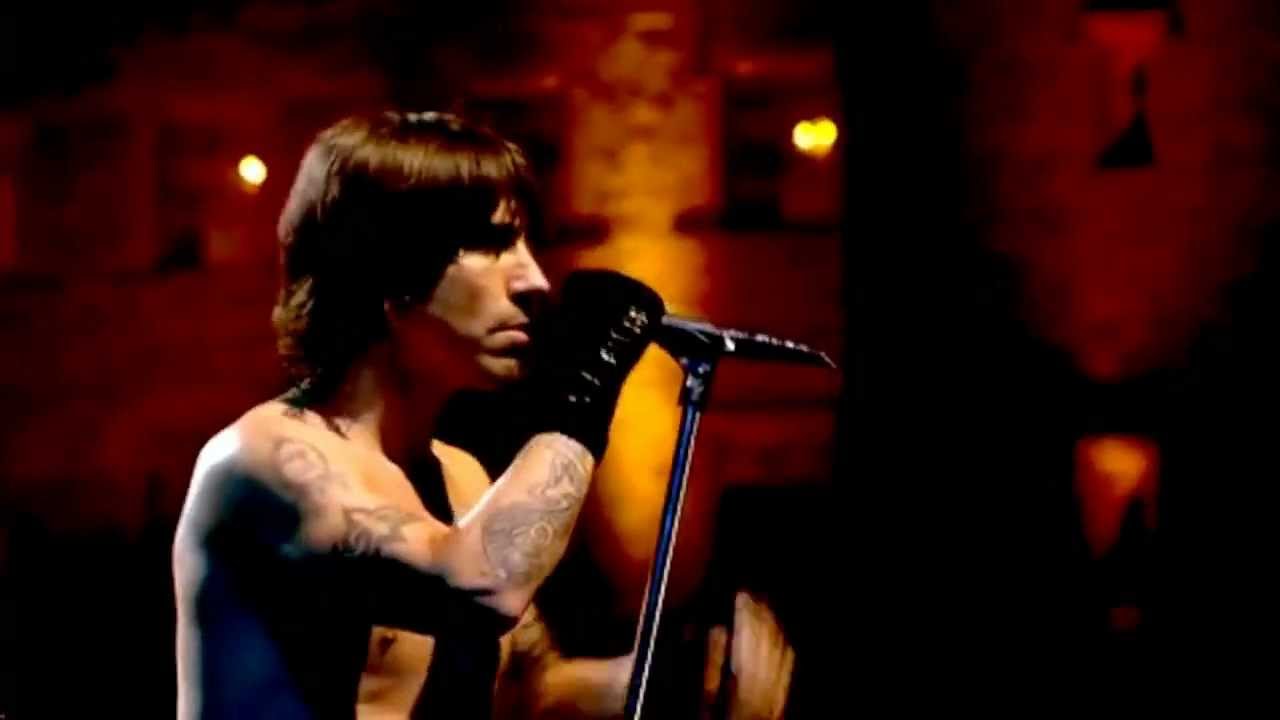
![Red Hot Chili Peppers - Under The Bridge [Official Music Video] - YouTube](https://img.youtube.com/vi/GLvohMXgcBo/maxresdefault.jpg)
"Heh heh!" Kiedis sniggered as the song rocketed up the charts. "What kills me is that there are so many people across America getting into Under The Bridge who have no idea what the Chili Peppers are like."
What could he mean?
"Take a group of Kansas housewives," he added, "who turn on the radio and say: 'Oh, I like that sweet, sentimental song. Honey, would you go out and get me this record?' They get the record, and there's Sir Psycho Sexy and The Power Of Equality on there. They're going to have their little world turned upside down... I have this wonderful image of this lady washing the dishes in her home, with her little tape deck, popping this in and taking off her clothing, running into the back yard and getting loosened up a bit."
But worse was to come. The song's most evocative lines were 'Under the bridge downtown, is where I drew some blood/Under the bridge downtown, I could not get enough/... Under the bridge downtown, I gave my life away'. Was he talking about first-time sex, as many listeners assumed? Or maybe a suicide attempt? No. Kiedis was documenting his experiences as a heroin addict, under a bridge in Los Angeles.
It emerged that Under The Bridge very nearly didn't get recorded at all. In which case, it's arguable that the Chilis would never have risen out of the funk-metal category that both defined and constricted them. As the band's producer Rick Rubin explained: "Anthony said: 'It's a song I wrote, but it's not Chili Peppers.' He sang it to me and I thought it was beautiful. But he was emphatic: 'No, this isn't what we do!' I said: 'It doesn't have to be limited to funk jams; you're allowed to do different things. It's just, 'Do you love the song?'"
Whether Kiedis loved or hated the song was a moot point. After all, it hadn't come about easily: "I was driving away from the rehearsal studio, and thinking how I wasn't making any connection with my friends or family, I didn't have a girlfriend, and Hillel wasn't there... The only thing I could grasp was this city."
Los Angeles itself (referred to in the lyrics as 'this city of angels') was the friend which guided him through: "It was LA - the hills, the buildings, the people in it as a whole – that seemed to be looking out for me more than any human being. I was reminding myself, okay, things might feel fucked up right now, but I don't ever want to feel like I did two years ago."
As Under The Bridge stormed the charts worldwide, taking Blood Sugar Sex Magik to platinum status and beyond and gaining the Chilis a whole new fan base, drummer Chad Smith pondered: "It doesn't really have a hook... and not to take away from Anthony, but he's not the greatest singer in the world. It's just cool and soulful."
Kiedis couldn't explain its popularity either: "In the end, it wasn't like I was writing in any sort of pop-song format," he said. "I just started writing about the bridge, and the things that occurred under the bridge."
In the wake of Under The Bridge, the future seemed assured for the Red Hot Chili Peppers. Except it wasn't. After Frusciante's descent into drug hell in 1992 and the unsuccessful recruitment of Dave Navarro, the rest of the decade was pretty lean. It wasn't until the return of Rubin and Frusciante in 1999 that the skewed pop of their Californication and By The Way albums made the Chilis one of the biggest rock bands in the world.

