


On December 3, 1983, Scottish rock band Big Country made their debut appearance on Saturday Night Live, America's best-loved comedy show. The band's debut album, The Crossing, had cracked the Billboard Top 20, peaking at number 18, and on the day they performed on SNL, it was revealed that the Dunfermline quartet had also secured their first US hit single, with In A Big Country leaping up to number 17 on the Billboard Hot 100 singles chart.
What wasn't revealed at the time was exactly how that chart placing was achieved.
The story behind this feat was revealed by British PR legend Alan Edwards in his highly entertaining memoir I Was There: Dispatches from a Life in Rock and Roll. Edwards has worked with The Rolling Stones, David Bowie, Elton John, Prince, Paul McCartney, Blondie, The Stranglers and more, and in 1983 he had expanded his portfolio to include artist management, with Big Country being one of his clients. And when Edwards visited New York to meet with some of the US record industry's biggest hitters, he quickly learned that business was done rather differently than in the UK.
"In the UK," he noted, "promotion just meant buying adverts in newspapers or taking Radio 1 DJs out to dinner and encouraging them to support the latest release. In the US, we discovered the word had a whole different meaning.
"Payola had a strong hold on the entertainment business in the US, and on record promotion in particular. The mob had live music promoters onside: they controlled jukeboxes and owned record pressing plants. They had American radio locked down, and if you wanted airplay, you had to deal with them."
Edwards was informed that in order to boost Big Country's chart profile in the US, he would be required to make a sizeable cash donation to Mafia gangsters in Philadelphia. He and his business partner duly met up with the mobsters at a breakers yard outside the city, and said, "We'd like to discuss a chart position."
"OK, limeys, so tell us what you want," one of the gangsters replied.
Edwards recalls specifying the exact positions on various charts that he hoped In A Big Country would attain: number 23 on the alternative chart, 32 on the rock chart, and 25 on the pop chart. In response, he was told "OK, that'll be $70,000."
The following week, Edwards checked US music industry 'bible' Billboard to check where Big Country's single had placed on the charts. And, sure enough, the chart placings tallied exactly with the requests he had made in Philadelphia.
"It was proof indeed," he mused, "that in the American music industry, money talks and bullshit walks.... Returning to the UK after this stint with Big Country, it was a relief to be meeting a Radio 1 person for a cup of tea and cheese roll at the Great Portland Street cafe."
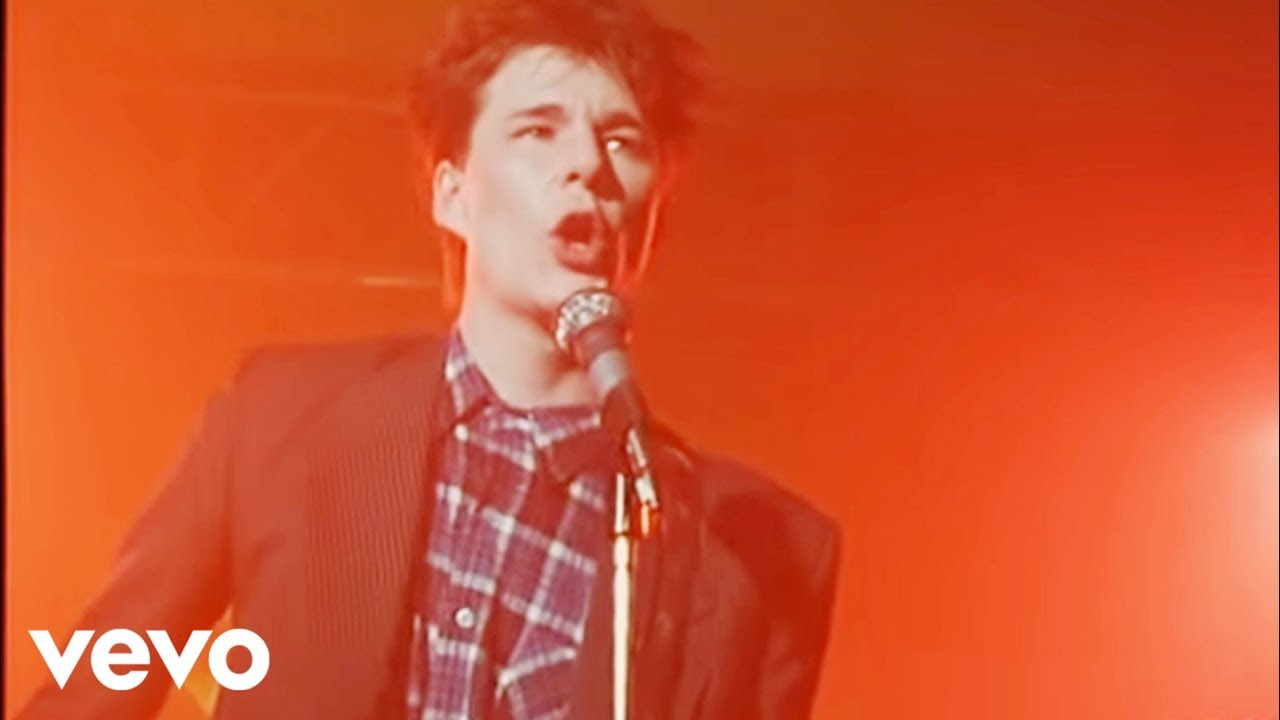
The Crossing would be Big Country's most successful album in the US, and would ultimately sell two million copies worldwide.
Writing about his connection to music in the sleevenotes for a subsequent re-release of the record, band leader Stuart Adamson wrote, "I found that I could play this music and connect the guitar directly into my heart. I found others who could make the same connection, who could see the music as well as play it.
"The sound made pictures. It spread out wide landscapes. Great dramas were played out under turbulent skies. There was romance and reality, truth and dare. People being people, no heroes, just you and me, like it always was."
Stirring words, even if the harsh realities of the American music business were decidedly less romantic.

