


Dave Mustaine is one of metal’s great characters, and Megadeth - the self-described “state-of-the-art speed metal band” he formed in 1983 after being brutally dismissed from Metallica just days before they began recording songs he co-wrote for their debut album Kill ’Em All - are one of the greatest to ever play it.
Consequently, there was a great outpouring of love and respect across the rock world when, in August last year, Mustaine announced that Megadeth’s seventeenth studio album would be their last, and the world tour promoting it the band’s final curtain.
“We started a musical style, we started a revolution, we changed the guitar world and how it’s played, and we changed the world,” Mustaine stated proudly as he delivered the news. “The bands I played in have influenced the world. I love you all for it.”
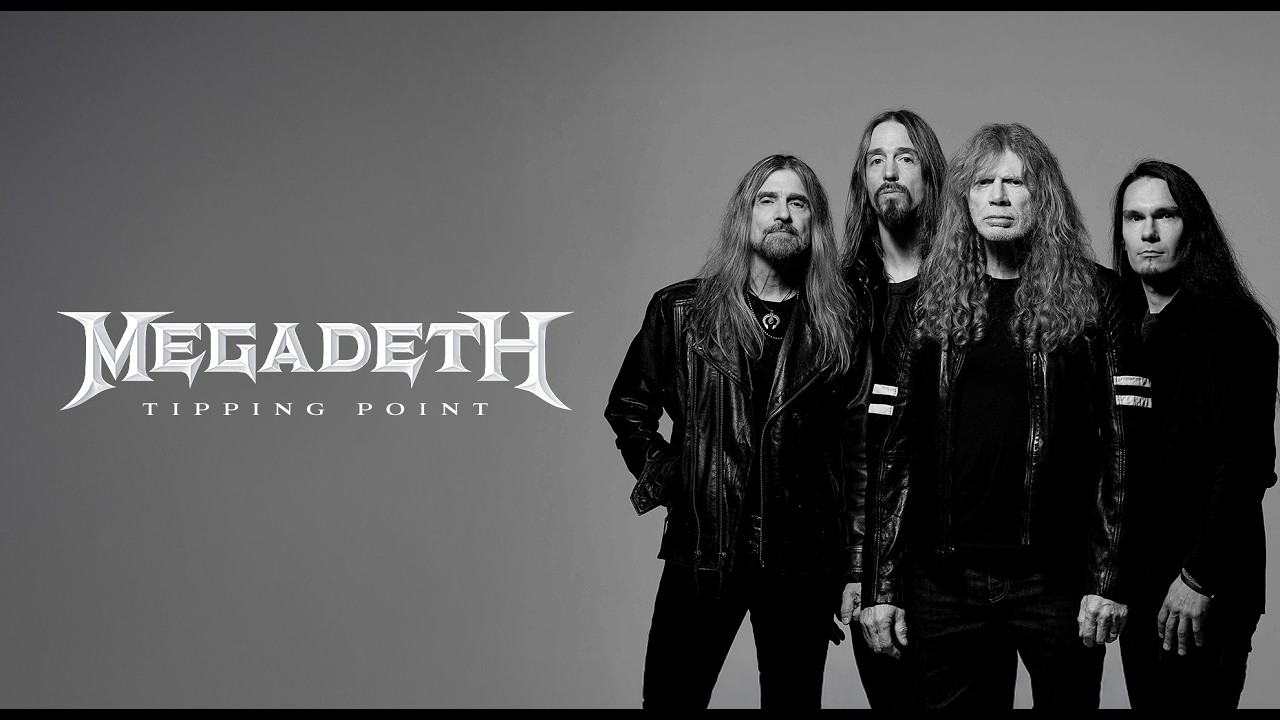
With the release of Megadeth’s self-titled final album in January, Mustaine’s band - completed by Finnish guitarist Teemu Mäntysaari, former White Lion bassist James LoMenzo, and Belgian drummer Dirk Verbeuren - are exiting at the top of their game: the album was the band's first to top the US chart.
At the end of it, on a moving elegy fittingly titled The Last Note, Megadeth’s 64-year-old leader signs off in typically defiant form, with that inimitable sneer and the parting words: ‘I came, I ruled, now I disappear’. We will miss him when he’s gone.

When did the thought enter your head that this should be the final Megadeth album, and why?
Well I always said that when I can’t do my job a hundred per cent that I would hang it up. My mind can play, but my hands are injured, so I’d got a decision to make: do I keep going on and not tell anybody, or do I say something?
We were almost two thirds of the way done with the record, and I was talking to my son, Justis - he’s part of our management team - and said: “My hands hurt, and I don’t know how much longer I can do this.” I’ve already got arthritis in my hands, and some fingers are numb, so it’s like, how much more can my hands take?
Speaking of farewells, Megadeth were the only major metal band missing from Ozzy Osbourne and Black Sabbath’s Back To The Beginning farewell concert. Was that because you were still working on the record?
No, it was because we were over in Europe touring with Disturbed. Nobody on the outside knew how imminent Ozzy’s passing was going to be, and I certainly didn’t. And I loved Ozzy. I thought he and Sharon were two of the nicest people to me in the music business. I was rocked when that happened.
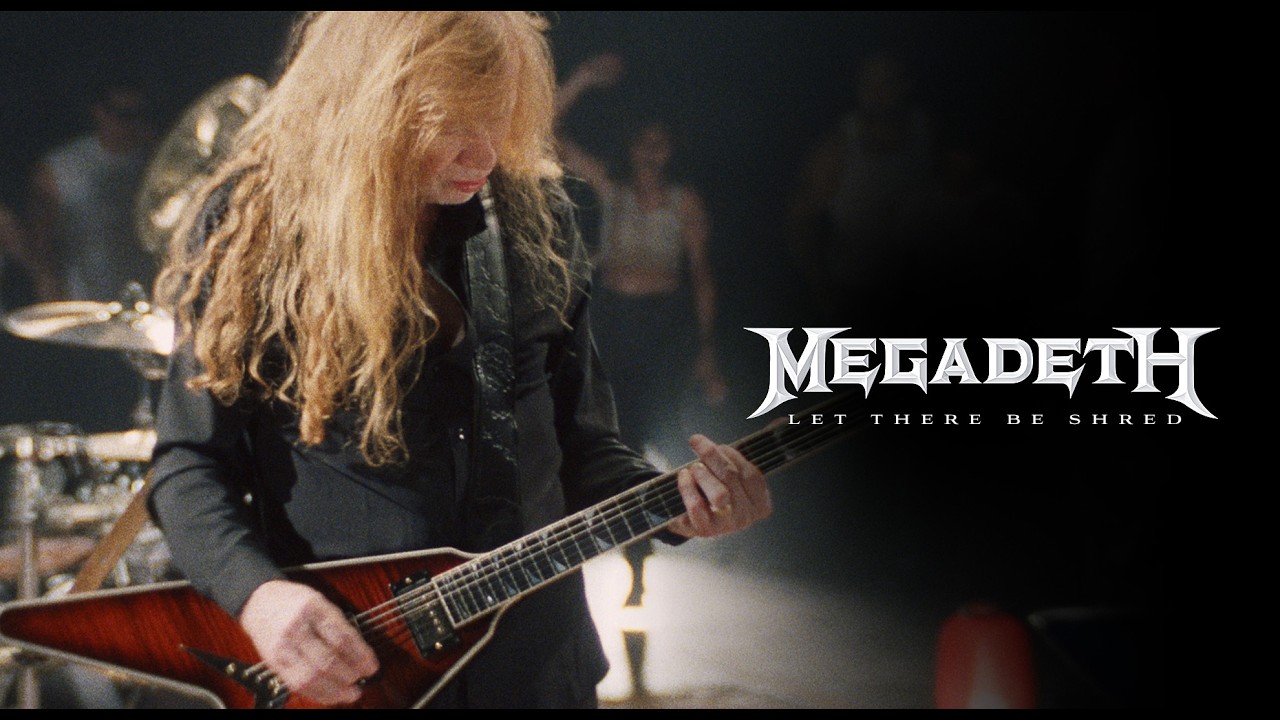
The new record has the energy of a young garage band, particularly with a track like Let There Be Shred, which I could imagine the eighteen-year-old Dave Mustaine being into. The fact that you’ve still got that passion and enthusiasm after all these years is a real testament to your spirit.
Thank you, that’s very kind of you. We’re very close as a band, and when you like the people that you’re playing with you have more depth to what you can create. If you’ve got three people there who are not contributing anything, there’s probably going to be some resentment.
There’s a song on the record titled I Don’t Care, but it struck me that, if anything, throughout your career you personally arguably cared too much, always spoke your truth, and were never afraid of calling shit out. Do you think that was to your benefit or to your detriment?
Benefit, certainly for myself. Within the industry there were several people who took exception with the things that I would say, but my role in life was to be a proud, bold lion, to tell the truth, and stick up for what’s right.
There’s a famous scene in Metallica’s film Some Kind Of Monster where you speak movingly with Lars Ulrich about the pain and hurt you felt from being disparaged by him and James Hetfield for years, and feeling like you had to live in the shadow of their success. Have you come to find peace with your achievements?
I’ve always had a sense of peace with what I have. But it was when I had to spend my entire career, almost, on defence. There’s nothing between me and Metallica any more as far as any negative energy, but it was difficult, for all those years, having to deal with the comments. Especially them saying I can’t play. Are you out of your mind? Who would say something like that?
With hindsight, and although they would never admit it, maybe certain members of Metallica felt threatened by Megadeth’s success and the acclaim the band were getting, particularly in the late eighties.
Well there isn’t any resentment now. I’ve always respected and loved James’s guitar playing, and that’s why we did the last track on the record [a cover of Metallica’s Ride The Lighting]. I’ve got my own band that I love, and it just felt right to do a version of a song that I had written earlier with Metallica, and put my DNA on it.
Have you had any comment from any of the Metallica guys about your version?
No, and I don’t expect to. I know they’re pretty aware of what’s going on in the world, and I’m sure at some point someone will say something to them, and it’s up to whether they want to listen to it without prejudice or not. Honestly, that band was about having fun, and that’s one of the things that I missed, the brotherhood and the fun.
If you go back and give the teenage Dave Mustaine a bit of advice, what would it be? And what do you think the teenage Dave Mustaine would think of today’s Dave Mustaine?
I would probably say: “Don’t punch people in the face when you’re drunk.” And young Dave Mustaine would probably say: “You win,” and then punch me in the face [laughs]. But no, if I was going to give myself any advice it would be that when the days come - and there’ll be many - when you feel like you’re all alone, know that you’re not, and know that there are great things in store for you.

You’ve written a lot of socially conscious lyrics over the years. Do you feel positive about the state of the world in 2026? And on a personal level, is your glass half-full rather than half-empty?
My glass is full. What do I think about the state of the world? I think the world’s a powder keg ready to explode. A long time ago I said that I thought that there’s going to be a civil war in America, and it looks like it’s coming. But I’m very happy with my life right now. I think it’s great to be able to go out with a great new record, and to be able to tour [in the US] with my friends in Exodus and Anthrax is just wonderful. We’re going to have a really good time.
In your head, have you already got an endpoint for the tour?
We have dates booked until 2028, but that’s only two years away. We’re an American band that has broken the borders of our country, and we’re an international band now, and we’ve made a lot of friends over the years all over the world that we need to see. Realistically, that’ll take two or three years. Anything after that… I have no idea. I just know that when the tour is over I’m gonna go home and look back on everything I’ve done. And I’m very happy about what I’ve done.
It seems fitting that the new album is self-titled because it’s a real encapsulation of Megadeth’s entire career, and quite a definitive statement. Artists often hate the question, but how do you look back on the band’s legacy?
I think it’s kinda wank when bands complain about that. Why do an interview if you don’t want to be asked questions? I look back at everything that we’ve done with great fondness. The band’s gone through several different metamorphoses, and we’ve grown a lot.
In the beginning we were a speed metal band that was influenced by punk, jazz and classical, and we went through a lot of different eras, with different players who brought their own flavours to the mix. Right now? I don’t care. No, I’m just kidding. I’m the happiest I’ve ever been. I don’t have any gripes, or anybody that I’m pissed at. Well, maybe my gardener because he just cut off something that I didn’t want him to cut off.
You’ve been through a lot. Are you sometimes surprised that you’re still here?
Yes. I remember, when the band was very young, talking to one of the other guys and saying: “I don’t know how long I’m going to live, and if we don’t make it I’m going to handcuff myself to a telephone pole with a hand grenade and go out with a blast.” Although I probably would never do something like that, it seemed very flamboyant to say.
So yeah, I am surprised to have lived this long. And I’m even more surprised that I still feel young, still reasonably appear young, and that we still have energy up on stage to keep up with some of the younger players that we’re going to cross paths with over the upcoming three years.
How do you see your retirement working? Is there anything you’ve always wanted to do that you’ll be able to devote time to once the tour ends?
I wouldn’t mind studying acting. I’ve already done a ton of stuff on TV - hosting game shows, appearances in small sitcoms and movies - so I’m very accustomed to being in front of the camera, and I think that might be fun to do. If they asked me to cut my hair, I’d be willing to do it, but it would have to be for a guaranteed part – and a big part, to make that kind of a commitment.
I also really want to share my gift with younger musicians. Actually, it doesn’t even have to be a younger musician. If it’s somebody that’s a little bit older and they want to learn what it is that makes Dave tick, I don’t care about their date of birth, I just want to be able to share. I’ve been gifted. I wouldn’t be this good on my own, this is a gift from God.
Megadeth’s self-titled final album is available now via Frontiers Records.

