


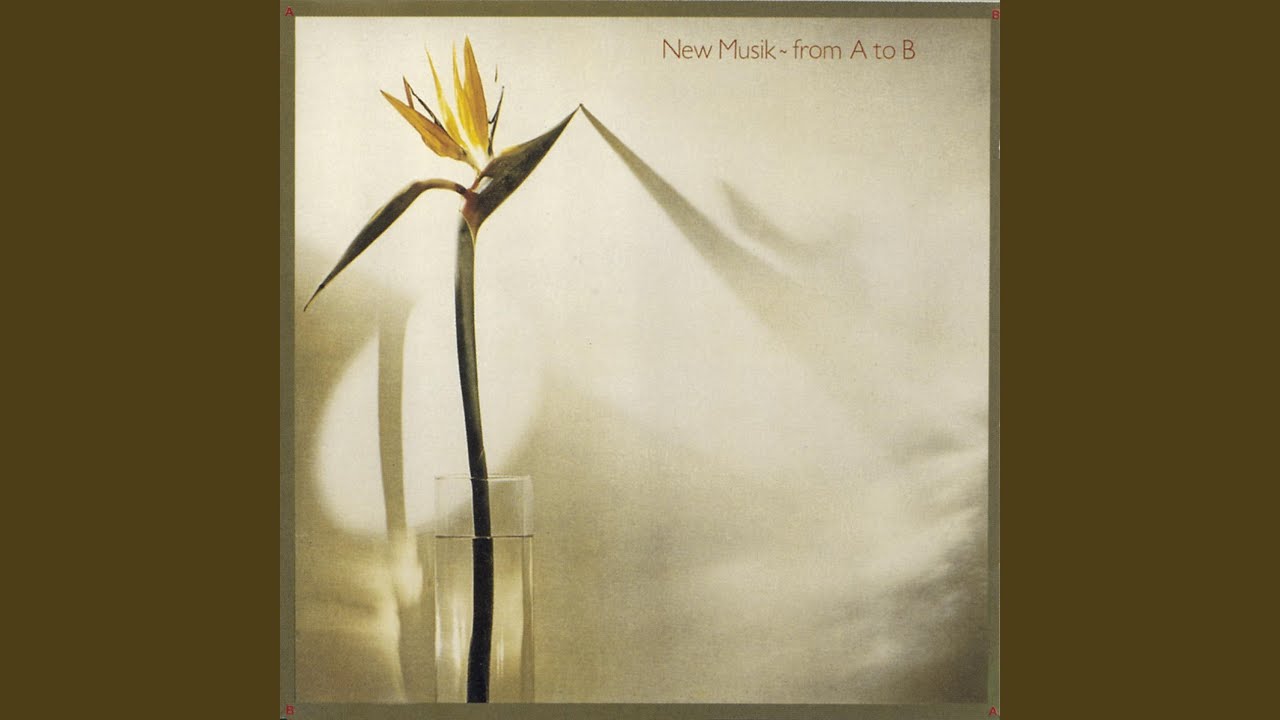
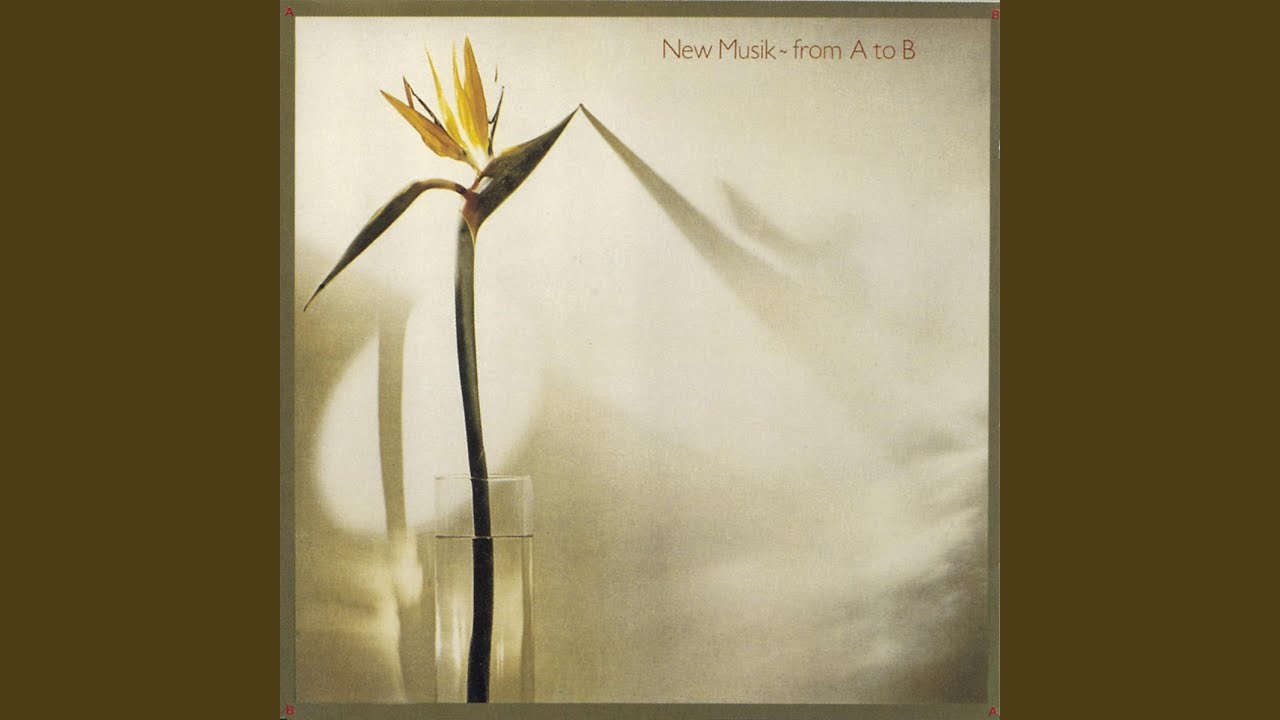
New Musik’s debut album, From A To B, delivered three hit singles in 1980. In 2018 we argued that producer Tony Mansfield’s quartet should be seen as a prog band.
New Musik’s orchestrators of synth-pop blazed several short circuits on their debut album From A To B. Its computer-generated components were assembled from the bright sparks and random brainwaves of frontman, songwriter and producer Tony Mansfield.
As much a sound architect as a music processor, he was among the pioneers who brought Korg, Roland, Fairlight and Prophet synths into the mainstream.
In 1979, two years after the band’s creation, Mansfield invited keyboardist Clive Gates to joing the band. The pair had previously rippled the airwaves as the T. Rex- and King Crimson-influenced Reeman Zeegus.
The robotic mannerisms of Straight Lines and Living By Numbers foreshadow an Orwellian world. When in the latter song Mansfield asks, ‘Does it all add up to you?’ he may be alluding to life, the universe or a record label balance sheet, for all the listener knows.
Although Living By Numbers sounds like a strapline for a future mobile phone company, it was electronics manufacturer Casio who realised the literal sense of the Top 20 single, using it in a TV ad for pocket calculators.
One might hesitate to suggest that climate change or planetary pollution in any way inspired This World Of Water or Dead Fish (Don’t Swim Home). But those tracks seem remarkably prescient now – and could so easily have been the soundtrack to Sir David Attenborough’s Blue Planet documentaries.
And while the seesaw shanty On Islands sustains lyrical comparison to King Crimson’s own Islands, the Science offers the antiseptic alienation of Kraftwerk and the nervous tic of Tubeway Army.
‘Turning forever, I never could tell / If this was a heaven or this was a hell,’ Mansfield laments on Sanctuary, their last charting single. The lyrics spoke volumes about his own gathering fears and insecurities at the time, which were further echoed on the closing number, The Safe Side.
Working at a hit factory soon was taking its toll on him. One of the album’s highlights, A Map Of You, hints at his growing disorientation in both an emotional and physical sense. His ‘where in the world am I?’ viewpoint suggests it was often better to travel in expectation than arrive at further indecision.
It was a trait that constantly dogged the band’s advancement; and as commercial success began to elude them, Mansfield became more reclusive. New Musik released two more studio albums before disbanding in 1982, leaving the frontman to become a full-time producer.
The shortest distance between two points is the line flown by that academic crow. But Archimedes would have realised that the mathematics of New Musik was more than the arithmetic sum of its parts. From A To B is more about art than science.
