


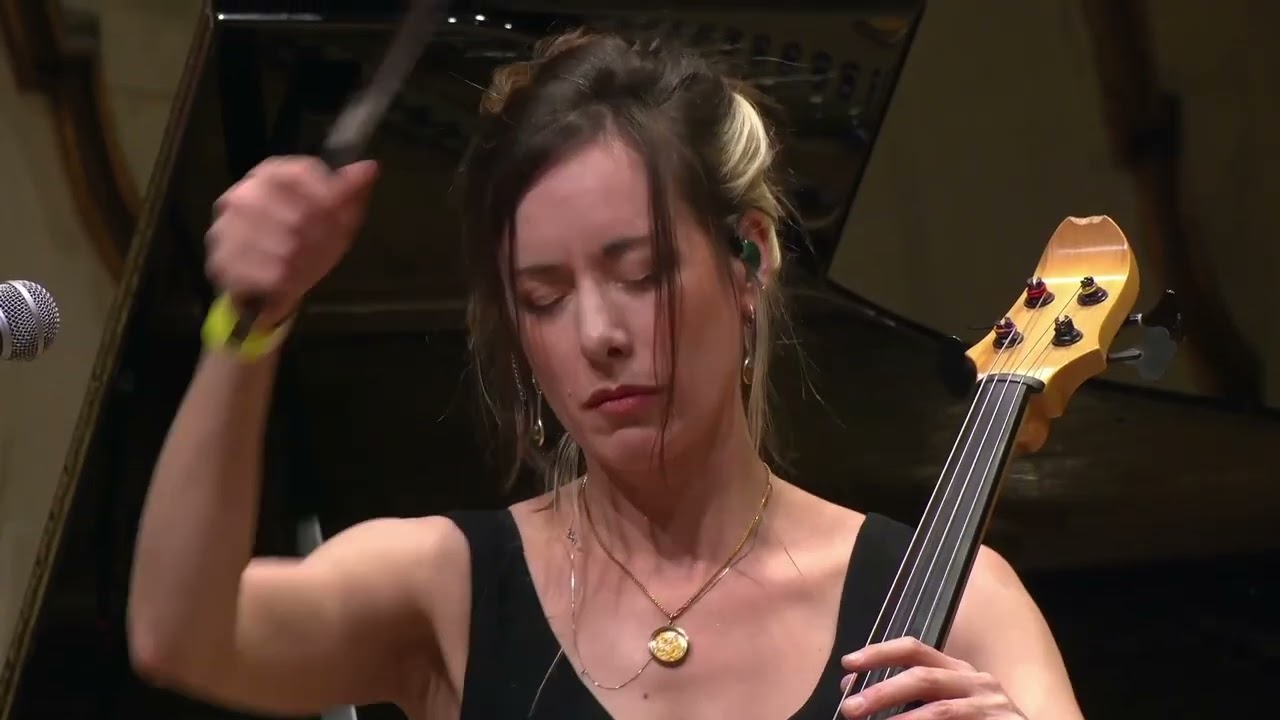
Since the release of her debut album in 2010, virtuoso Jo Quail has demonstrated that the melancholic-sounding cello has a place beyond the realm of classical music and spooky movie scores. On latest album Notan she strips her otherworldly sound back to its purest parts, with an orchestral companion is due next year. She tells Prog why less is sometimes more.
It’s a warm and sunny evening, and Jo Quail’s disposition entirely matches the glorious weather. “I’m constantly learning,” she says from the kitchen of her Sussex bolt-hole. “I think each time I make an album, it’s a snapshot in time of that particular moment. With each release, I have progressed as a composer and as a performer as well – so I learn a lot more. I try to improve my skills in production, as well as creative and writing skills.”
Since releasing debut album From The Sea in 2010, the cellist’s extraordinary talent has seen her blending classical, experimental and post-rock influences into an aesthetic that’s wholly her own. And by incorporating loops and effects pedals, her work as a sound designer has bolstered her compositions with additional layers of atmospherics and emotions.
Notan, her seventh album, began as a series of improvisations in a friend’s back garden and she ended up arranging them for a symphony orchestra. These grander pieces will form the basis of her next album, Ianus, due in 2026.
“Notan and Ianus share four tracks, with two additional, unique ones each,” Quail explains. “The biggest lesson I learned through Notan was how to distil the story – not to make it less ambitious or dramatic, but really refine what I wanted to say musically within the parameters I set for myself.” She acknowledges that touring with a symphony orchestra is far from realistic. “That’s why I created a solo cello version using just my RC-600 loop station and GT-1000 effects processor.”
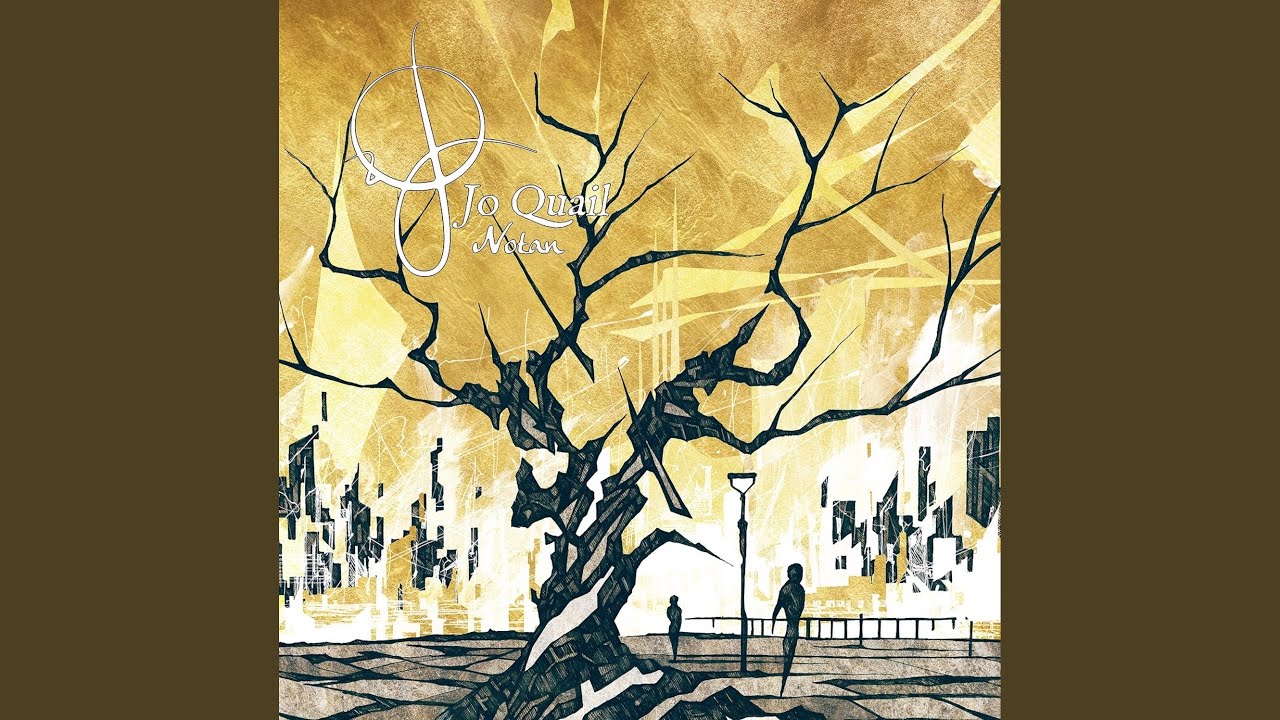
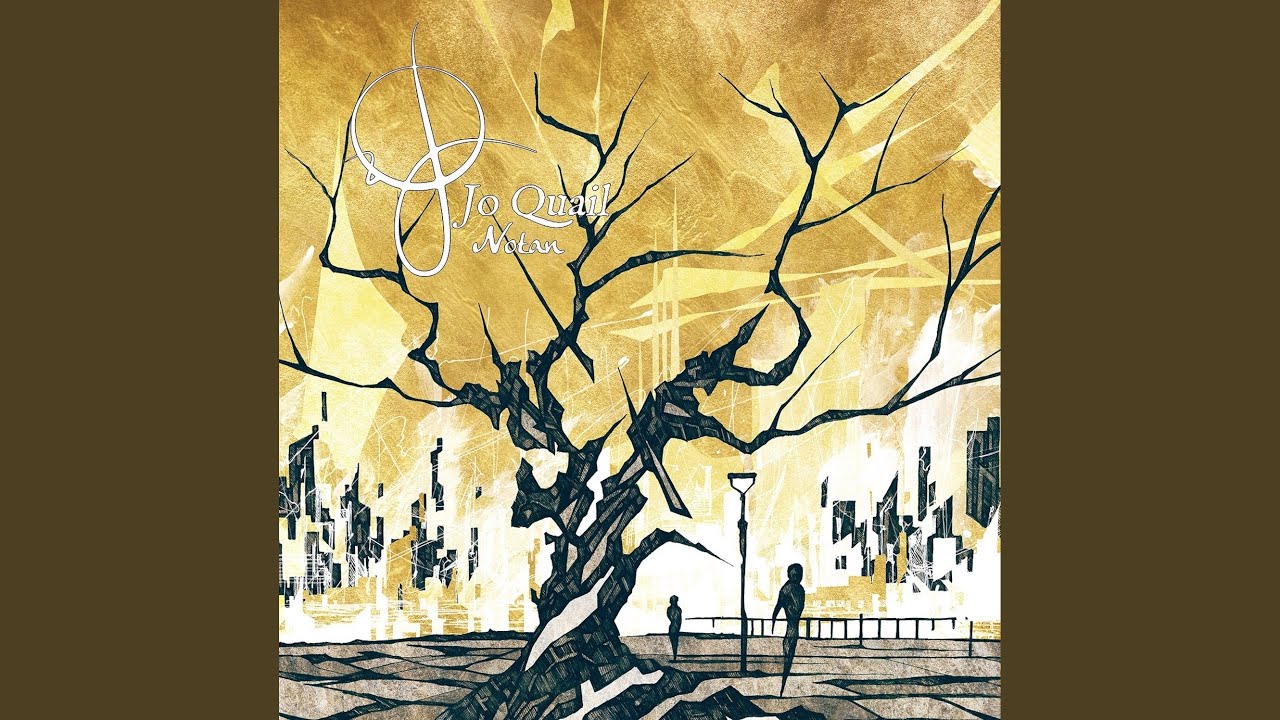
A Japanese concept, notan simplifies art by using shades of black, white and grey. So while her 2025 album is a distilled version of Ianus, it’s certainly not a lesser one. “This isn’t a sketch or a demo,” she says. “It stands on its own and holds its own identity.”
So it proves: as the opening soundscapes of Butterfly Dance give way to fearsome distortion, it quickly becomes apparent that Notan is a mighty addition to her catalogue. Continuing throughout, Embrace binds the treads of manipulated sound with mournful playing that beguiles and haunts; while the pulsing urges of KingFisher provide the bedrock for her grand sweeps. As a collection, these are stories without words – but ones rich in emotion, the result of which, says Quail, comes from a particular emphasis on sound design.
“In film scoring now, sound design often carries as much narrative weight as the composition,” she says. “It’s no different for instrumental music. I use sound design to communicate emotional ambiguity, anticipation or clarity. As a storytelling device, it’s incredibly useful. Take Butterfly Dance or Embrace – the textures have this sort of wavering, almost incorrect effect, that dips in and out and it creates a whole new mood.”
She adds of the six tracks: “All of them have very distinctive stories. Butterfly Dance is inspired by a wonderful story from Clarissa Pinkola Estés’ book Women Who Run With The Wolves – which everybody should read. There’s an Indigenous American tribe with a wonderful sort of ritual called the Butterfly Dance. People come from miles around to see it; they all expect a ballerina with wings to appear, but the person who comes out is the matriarch, the biggest, oldest woman of the tribe.
“She’s the only one who has the authority to perform the dance, because she is the butterfly; she has all of the knowledge, all of the experience, she can go anywhere, she can touch anybody. Her dance is for those who have earned that authority.”
The story resonates deeply with Quail, not least as she’s taken greater control of her career and music by launching her Adderstone Records label. “I feel like I’ve moved into a new phase of life, and that track is almost like a calling card,” she says. “It’s like, ‘Here I am. This is what I’ve earned. I can inhabit experience.’”
Taking stock of her life and music, her newfound control manifests itself most obviously on the revisiting of Rex Infractus, which opened her debut album. Here, named just Rex, it encapsulates her evolution from taking tentative steps to find her place to making bold and purposeful strides. Swathed in extra sounds that heighten the mood, her playing is delivered with the resolute focus of someone who knows exactly where she’s going.
Music is our first language. It’s how we connect. It also teaches imagination, which is in danger of disappearing
“Rex was timid then, like the rest of that record, because I was timid. I didn’t have the experience,” she reflects. “I didn’t play it for years; and when I revisited it during Roadburn’s online festival during Covid, it just bloomed. There’s something unapologetic and powerful about it. It’s empowering to play – and hopefully empowering to hear.”
It’s that sense of empowerment that Quail hopes to instil in her ongoing series of public masterclasses, aimed at those who explore beyond the concept of music as a passive experience. Her most important message is that anyone can do it. “Whether you’re a musician or not, it’s about showing people that sound and storytelling are accessible,” she says. “I cover the basics of looping, harmony and expression; but most importantly, I let people come and try it.
“One man at a recent workshop said he’d never touched an instrument in his life. I gave him the cello, showed him how to hold the bow, and he made a sound. That was a moment. He may never pursue it again, but he did something new. Maybe that changes the way he sees things; that’s what it’s all about. Events like these are essential: they remind people that music is something they can be part of – not just something to be consumed.”
Does she think that music is underrated as an educational tool? “Massively! I was lucky; my entire musical education was free, thanks to the Inner London Education Authority and the Centre for Young Musicians. It distresses me greatly to see funding and grants being cut. That kind of access should be a right, not a privilege.
“Music is our first language. Babies don’t talk – they hum, they respond to rhythm, to melody. It’s how we connect. It also teaches imagination, which is in danger of disappearing. When I was a kid, boredom led us to create things like bands, stories and experiments. Music nurtures that. We need to protect it like a rare animal.”
Notan is on sale now.

