The 1970s was a golden age for British jazz rock. Soft Machine and Nucleus were among the bands leading the way, and Brand X and Bruford enjoyed high profiles. But there’s much more to discover from the period, and in 2017 Prog presented six of the best jazz rock groups who were overlooked and underrated.
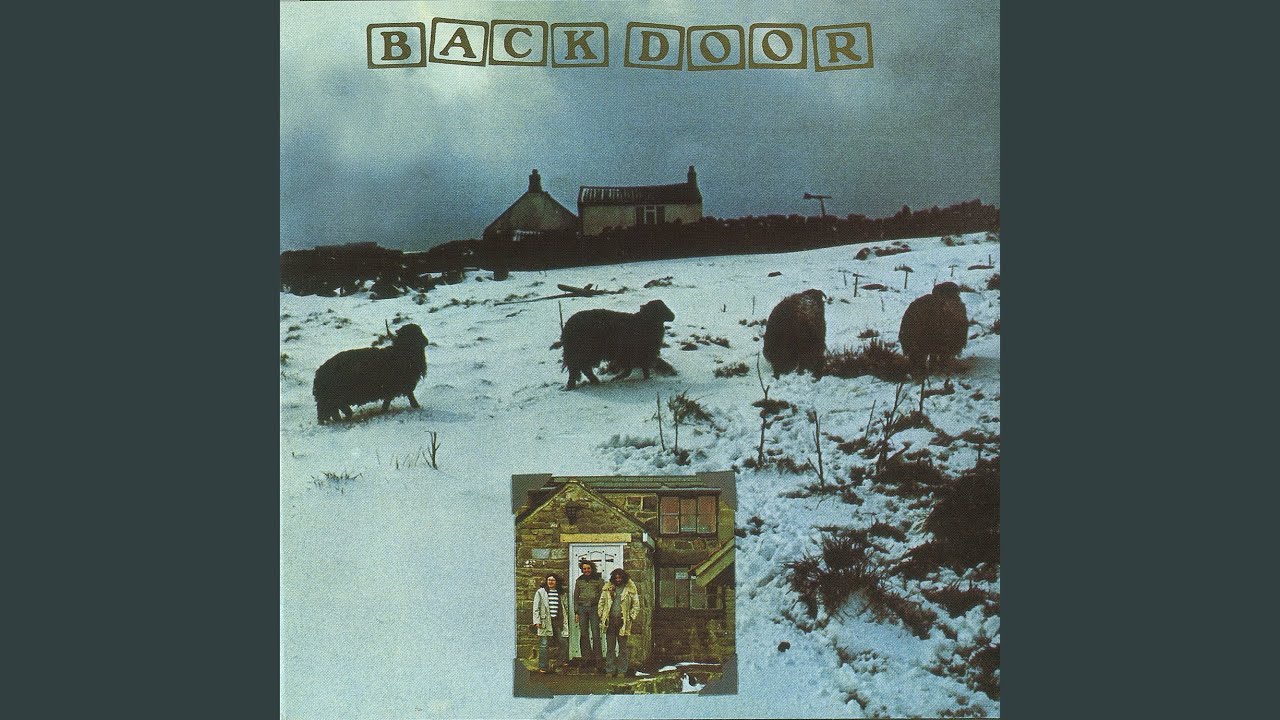
Back Door - Back Door (1972)
Propelled by Colin Hodgkinson’s ferocious bass and Tony Hicks’ powerhouse drumming, Ron Aspery’s rasping sax skips across a volatile concoction of bluesy bebop rock with lightning-fast licks. Their debut still sounds astonishing. They supported ELP in 1973 and 1974, and their track Slivadiv was sampled by the Beastie Boys on 1992 number Stand Together.
Isotope - Illusion (1974)
One of the few British guitarists capable of matching John McLaughlin’s speed and passion, Gary Boyle’s joyous playing is all over a set of surging tunes stoked by ex-Soft Machine man Hugh Hopper’s trademark fuzz bass. An astonishing and formidable fusion outfit.
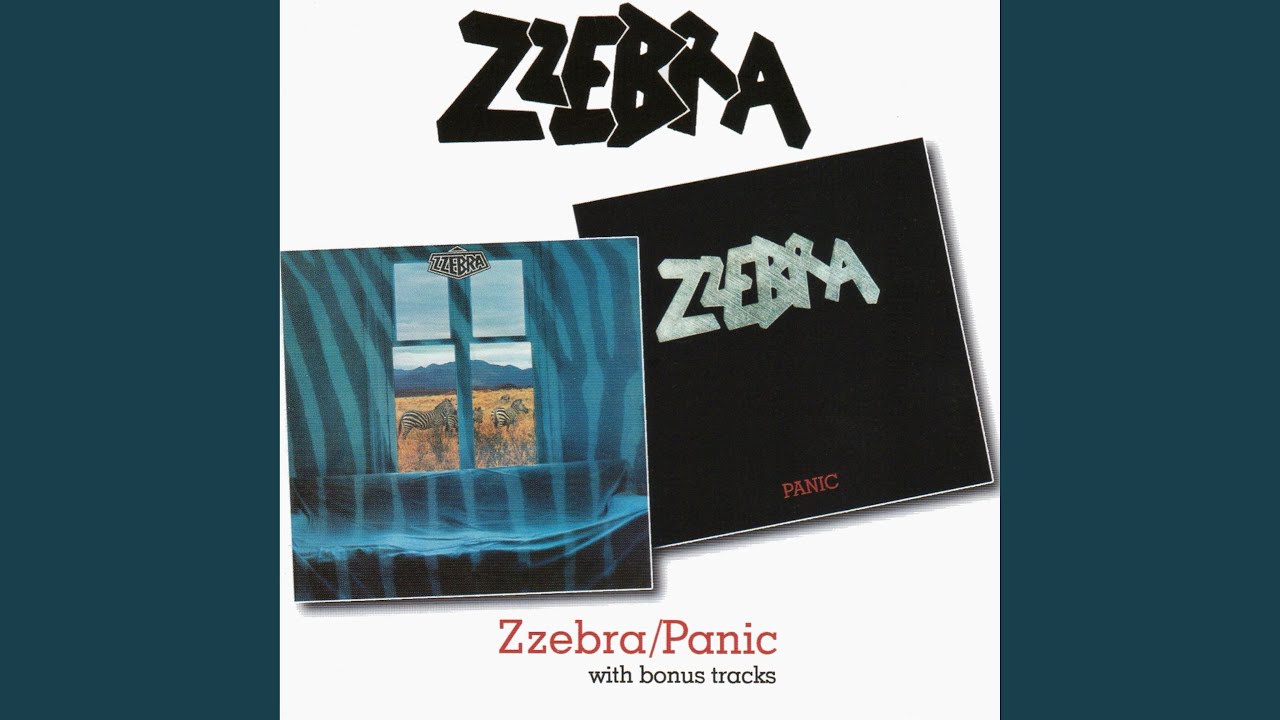
Zzebra - Panic (1975)
Formed by members of IF and Osibisa, the Jeff Beck-admired band fuse riotous Afro‑centric brass riffs with supple Fender Rhodes-heavy tunes. Occasional soulful vocals, short guitar jabs and catchy rock riffs underpinned by future Gillan bassist John McCoy add up to a dramatic and exciting soundworld.
John Stevens’ Away - Somewhere In Between (1976)
A pioneer of the UK’s mid-60s free jazz scene, drummer John Stevens’ rock-orientated band boasted both electric and acoustic bass. Steve Hillage was a fan and had them as the support act for his L tour.

Turning Point - Creatures Of The Night (1977)
Flowing with clean, airy melodies written by bassist Jeff Clyne or keyboardist Brian Miller, Pepi Lemer’s wordless vocals and David Tidball’s soaring soprano sax inhabit an early Return To Forever atmosphere.

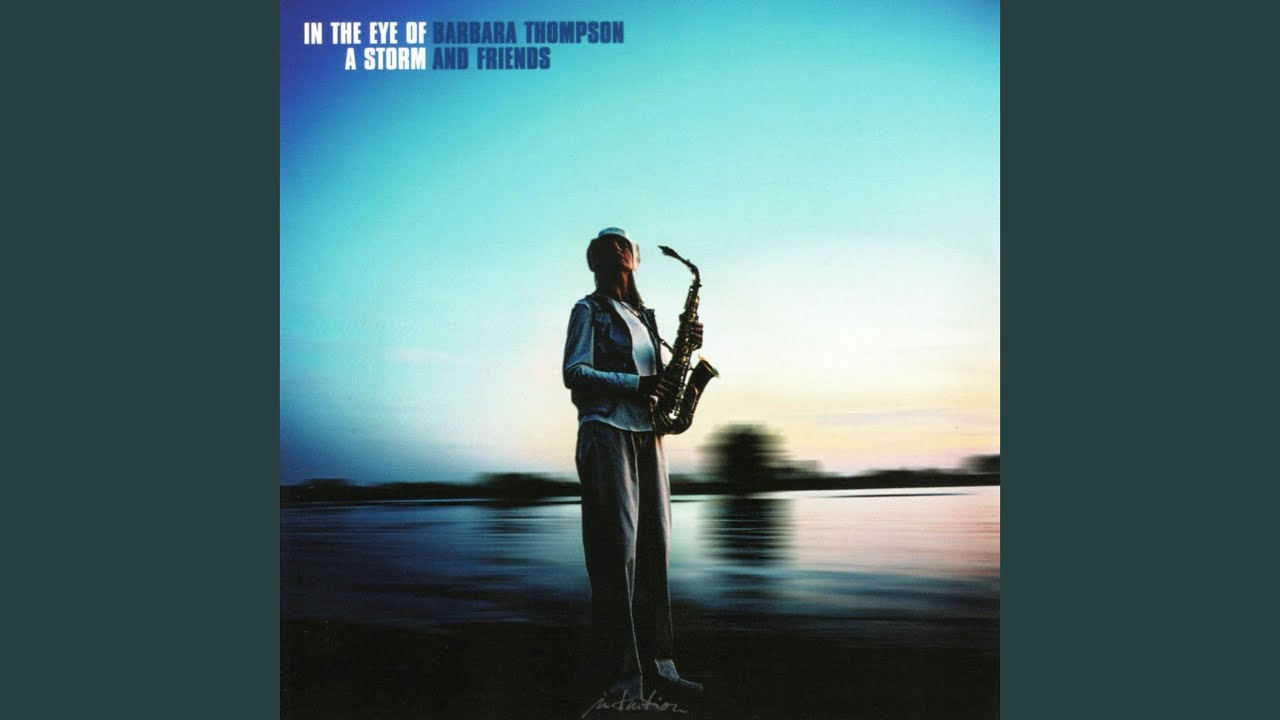
Barbara Thompson - Paraphernalia (1978)
Thompson’s lyrical sax and flute do all the melodic heavy lifting in a band featuring ex-Soft Machine bassist Roy Babbington. Contrasting visceral solos throughout her intricate compositions, Thompson flies closer to jazz than rock but still lands plenty of killer punches.