


Ahead of the opening night of his 2026 Land of Hope & Dreams tour, which launched on March 31 at the Target Center in Minneapolis, Bruce Springsteen told the Minnesota Star Tribune that his latest live campaign "is going to be political."
When journalist Jon Bream later put it to the 76-year-old New Jersey-born singer-songwriter that there is always "blowback for artists who take a political stand", Springsteen was utterly unrepentant.
"I don’t worry about it," he insisted. "My job is very simple: I do what I want to do, I say what I want to say, and then people get to say what they want to say about it. Those are the rules of my game. That’s fine with me.
"I don’t worry about if you’re going to lose this part of your audience," he continued. "I’ve always had a feeling about the position we play culturally, and I’m still deeply committed to that idea of the band. The blowback is just part of it. I’m ready for all that."
Springsteen had already laid out his manifesto for the run in a post on Instagram.
"We are living through dark, disturbing and dangerous times,": he posted. "But do not despair, the cavalry is coming.
"We will be rocking your town in celebration and in defense of America, American democracy, American freedom, our American constitution and our sacred American dream. All of which are under attack by our wannabe king and his rogue government in Washington, D.C. Everyone, regardless of where you stand or what you believe in, is welcome. So come out and join the United Free Republic of E Street nation for an American spring of rock and rebellion."
My job is very simple: I do what I want to do, I say what I want to say
Bruce Springsteen
Before a single note on music was played on the tour's opening night, Springsteen delivered his a passionate state-of-the-nation address to the people of Minneapolis.
"The America that I love, the America that I’ve written about for 50 years, that's been a beacon of hope and liberty around the world, is currently in the hands of a corrupt, incompetent, racist, reckless, and treasonous administration," he declared.
"Tonight we ask all of you to join with us in choosing hope over fear, democracy over authoritarianism, the rule of law over lawlessness, ethics over unbridled corruption, resistance over complacency, unity over division, and peace over war."
Donald Trump did not take this scathing critique at all well. Posting on his own Truth Social platform earlier today, Trump labelled Springsteen a "bad, and very boring singer", and "a total loser", and called on his supporters to stay away from the tour.
"MAGA SHOULD BOYCOTT HIS OVERPRICED CONCERTS, WHICH SUCK." he thundered. "SAVE YOUR HARD EARNED MONEY. AMERICA IS BACK!!!”
Online, as in the real world, opinions on Springsteen's introductory welcome were divided. While many rallied to The Boss' side, others, predictably, shared their view that the musician - and in fact every musician - should "shut up and play", and keep his political opinions to himself.
Which begs one simple question: what exactly do these people think Bruce Springsteen has been singing about for the past 50 years?
While Springsteen isn’t an overtly political songwriter, almost every song the he has written is, to some extent, political. He has spent most of his musical career documenting the daily struggle of characters who exist in an America where the status quo is enforced by a corpocratic government that allows only the rich to get richer.
That’s something Springsteen ramped up during, and in the wake of, Ronald Reagan’s presidency and the still-lingering effects of Reaganomics. Brought up in a working class family, he has always empathised with blue collar workers, even if some of them, somewhat ironically, don’t actually share his liberal political views.
Yet if the settings and landscapes of his songs are inherently political, Springsteen’s message isn’t always. Rather, his lyrics are more subtle commentaries that allow the listener – if they want – to discern their own meaning and message. Bobby Jean, for example,is a beautiful ode to friendship, but in the context of the album it’s on, 1984's Born In The USA – it exists in a world ravaged by the long-term effects of war and economic instability.
Same with The River, Point Blank, Racing In The Street, No Surrender, even Born To Run – all can be listened to (and sung along with) on their own terms, devoid of their socio-political context, but to do so is to strip them of a critical part of their essence. There are some songs, however, where Springsteen confronts those forces head on, tackling the powers that be with an unflinching eye and a heart hungry for social justice, equality and a desire to redress a balance that’s been tilted in favour of the privileged for far too long.
Here's our guide to the 10 best of these heart-on-sleeve compositions from an artist long celebrated worldwide as the true Conscience of America.

10. JOHNNY 99 (Nebraska, 1982)
Three days days after US President Ronald Reagan invoked Springsteen’s name in a speech to voters in New Jersey during his campaign for re-election to 1600 Pennsylvania Avenue NW, Washington DC, Springsteen played a show in the traditionally working class city of Pittsburgh.
“The President was mentioning my name the other day,” he told the crowd, “and I kinda got to wondering what his favourite album musta been. I don’t think it was the Nebraska album. I don’t think he’s been listening to this one.”
He then launched into Johnny 99, from that record, which was released in 1982, and for which Born In The USA had originally been written as a stark acoustic requiem. A jittery yet forlorn track, Johnny 99 follows the fate of a man who is laid off after the factory he works in is closed down, and is apprehended when he drunkenly tries to hold up a late night store. Subtle but devastating, the politics of the song are clear in the man’s pleads to the judge: “I had debts no honest man could pay / The bank was holdin’ my mortgage and they was takin’ my house away / Now I ain’t sayin’ that makes me an innocent man / But it was more than all this that put that gun in my hand.”
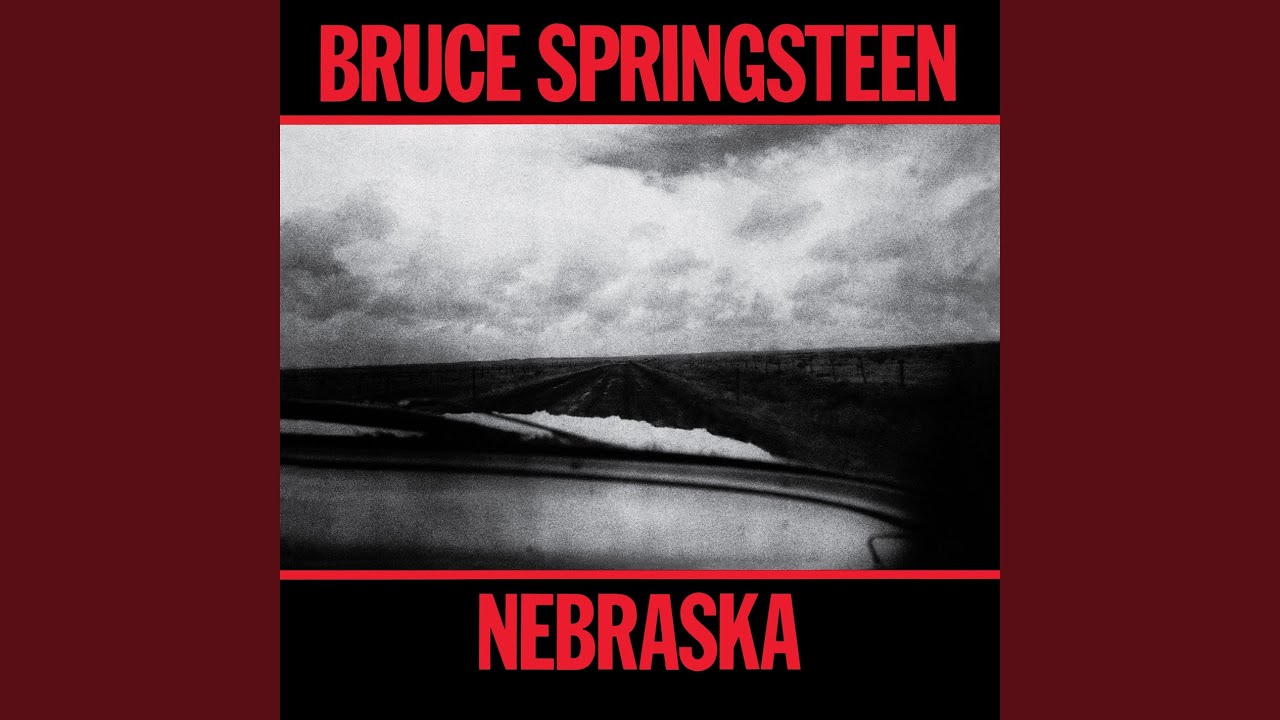
9. MY HOMETOWN (Born In The USA, 1984)
Closing out Born In The USA with a gentle, downbeat lilt, this song could be mistaken for rose-tinted nostalgia if you’re not listening carefully enough. In fact, it paints a picture, over the lifetime of the protagonist, of the decay and degradation of the place where he was born – taking in racial tension and economic collapse along the way. Like so many real cities in America that suffered similar fates, there was no recovery, no hope. And like so many of Springsteen’s songs, this one ends with the family at its centre leaving behind the world they knew in search of something better, for the promise of a second chance and a new life.
8. LOST IN THE FLOOD (Greetings From Asbury Park, NJ, 1973)
While it was only after he was already an established and successful songwriter that Springsteen’s political focus and beliefs became more overt, he was driven by his social conscience from the very beginning of his career. This dark, gloomy and apocalyptic track is from his debut album and tells the story of a Vietnam veteran who, upon his return home, finds an America in ruins, its streets ravaged by gang violence, drug abuse and its own social and economic war. While the tale itself is shrouded with dense, abstruse imagery, it’s nevertheless impossible to escape the bleakness of the landscape being described.
7. ATLANTIC CITY (Nebraska, 1982)
A tale of scorched love in the face of adversity, Atlantic City is a love song framed within the same severe economic circumstances as Johnny 99 – despite his job, the protagonist has “debts that no honest man can pay”, so buys him and his girlfriend a ticket out of town. But it turns out that the promise of a better life is just an illusion.
“Now I been lookin’ for a job but it’s hard to find,” he explains. “Down here it’s just winners and losers / And don’t get caught on the wrong side of that line.”
His actions hereafter are born out of desperation.
“Well, I’m tired of comin’ out on the losin’ end / So honey last night I met this guy / And I’m gonna do a little favour for him.”
What that is isn’t revealed, but the insinuation is that it’s something highly illegal. As the song – just Springsteen’s guitar, harmonica and his echoing, layered vocals – fades out you sense that this is the beginning of the end for the character: he’s trapped in a system designed to keep him down and maintain the status quo, and he’ll never escape. Yet despite that, and the fact he’s having to resort to crime, there’s still a glimmer of hope that, maybe in another life, things will be better.
“Everything dies, baby, that’s a fact / But maybe everything that dies someday comes back / Put your makeup on, fix your hair up pretty / And meet me tonight in Atlantic City.”
6. DEATH TO MY HOMETOWN (Wrecking Ball, 2012)
Essentially an updated version of My Hometown, this track is set to a rollicking Celtic stomp and also charts the collapse of a city, but this time in the wake of the 2008 economic collapse some 25 years later. Springsteen doesn’t hold back on attributing the blame this time either – while he doesn’t name Wall Street’s corporate bankers and rogue traders as the culprits, it’s pretty obvious that’s who he’s addressing.
“I awoke on a quiet night, I never heard a sound / The marauders raided in the dark and brought death to my hometown / They destroyed our families, factories and they took our homes / They left our bodies on the plains / The vultures picked our bones.”
The end of the song acknowledges how they got off scot-free, too, implying there’ll be further disaster down the line, and subtly hinting at the need for radical – if not revolutionary – change to the system.
5. SEEDS (Live/1975-85, 1986)
Though this Born In The USA outtake never actually got an official studio release, it did make the Live/1975-85 box set that was released at the end of 1986. Still played live - most recently in Liverpool on June 7, 2025 - Seeds compares and contrasts the huge disparity of wealth between those who own the companies and those who work for them. That that’s only grown worse since means that Seeds remains, over 30 years after it was written, a bitter ode to inequality and an incisive condemnation of the gap between the 1% and the 99%.
“Well, big limousine, long, shiny and black,” spits Springsteen. “You don’t look ahead, you don’t look back / How many times can you get up after you’ve been hit? / Well, I swear if I could spare the spit / I’d lay one on your shiny chrome / And send you on your way back home.”
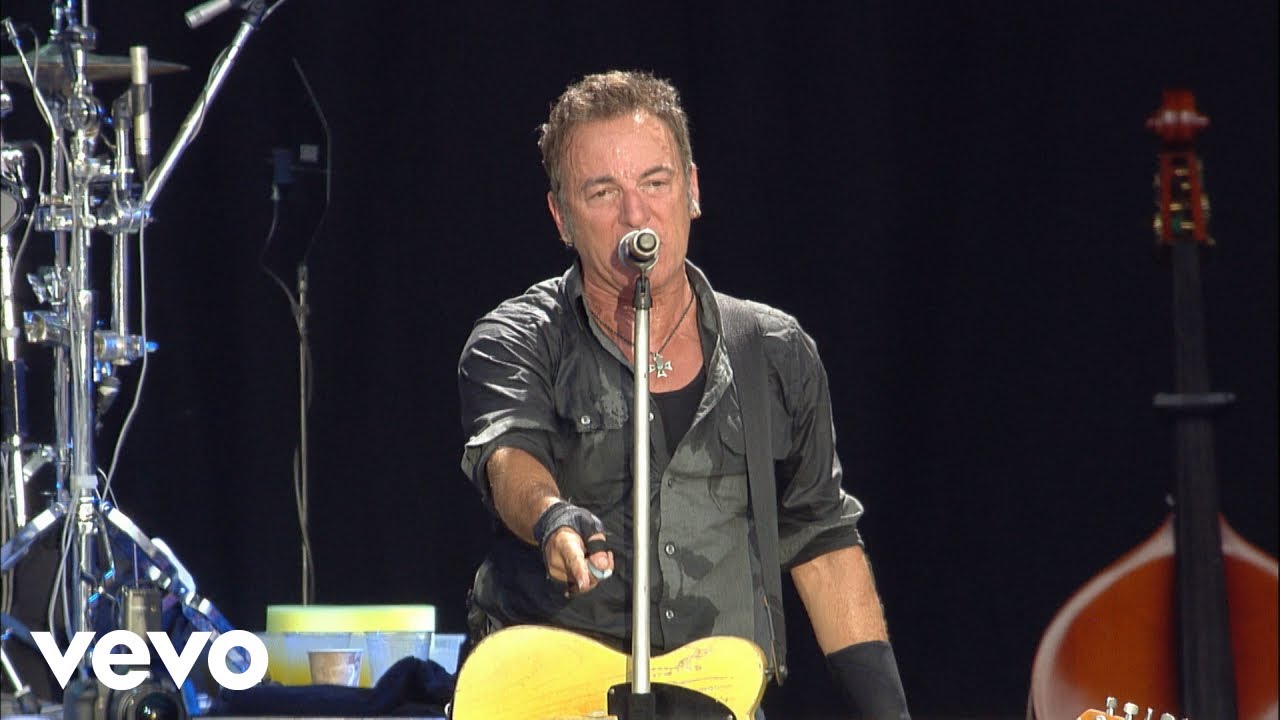
4. THE PROMISED LAND (Darkness On The Edge Of Town, 1978)
Taken from what is arguably Springsteen’s darkest album, the upbeat euphoria of The Promised Land belies the defeatism that permeates its working-class protagonist and the thankless drudgery of his life.
“I’ve done my best to live the right way,” he says. “I get up every morning and go to work each day / But your eyes go blind and your blood runs cold / Sometimes I feel so weak I just want to explode.”
Yet despite evidence to the contrary, he still has faith in the idea of the American Dream that’s sold to - and falls short for – so many. If it’s a subtle message, it’s one that Springsteen explained in more explicit terms when introducing the song at a handful of acoustic shows he played in support of Barack Obama’s presidential campaign in 2008, explaining, “I’ve spent most of my life measuring the distance between the American promise and American reality and for many Americans…the distance between that American promise and the reality has never been greater or more painful.”
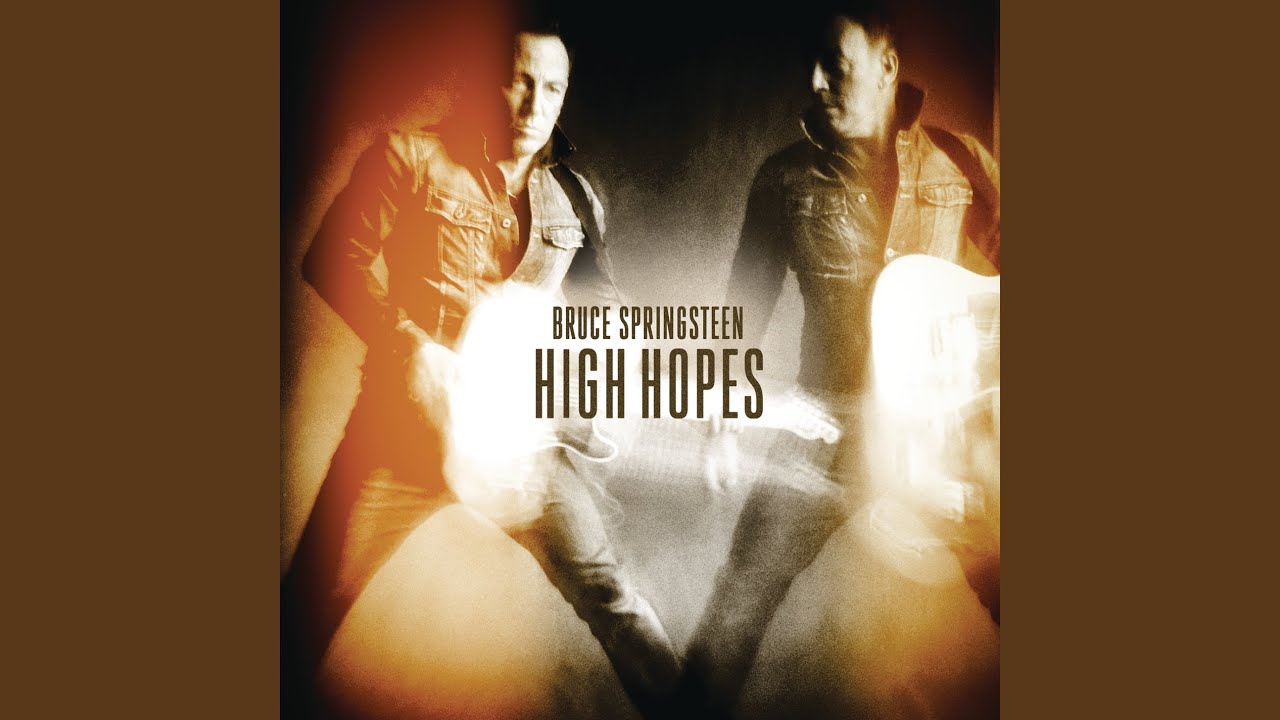
3. THE GHOST OF TOM JOAD (The Ghost Of Tom Joad, 1995/High Hopes, 2013)
This track – like the album it first appears on – might be a quiet, gentle and largely acoustic folky affair, but there’s an impressive power in Springsteen’s hushed whisper and the song’s gentle cadence. Named for the character in John Steinbeck’s The Grapes Of Wrath – but equally inspired by John Ford’s 1940 film of the book and Woody Guthrie’s The Ballad Of Tom Joad – Springsteen recasts Tom Joad in contemporary times rather than the Great Depression era, mixing modern and Dustbowl imagery to demonstrate how, despite America’s great wealth, very little has actually changed.
By channelling the character of Joad through his famous “I’ll Be There” speech, Springsteen offers a voice to the disenfranchised in the song’s haunting denouement.
“Now Tom said ‘Mom, wherever there’s a cop beatin’ a guy / Wherever a hungry newborn baby cries / Where there’s a fight against the blood and hatred in the air / Look for me, Mom, I’ll be there / Wherever there’s somebody fightin’ for a place to stand / Or decent job or a helpin’ hand / Wherever somebody’s strugglin’ to be free / Look in their eyes, Mom, you’ll see me’.”
For 2013’s High Hopes, an album of reworked old songs, covers and offcuts, Springsteen recorded a heavier, longer version of the song with Rage Against The Machine’s Tom Morello, who’d previously covered it solo and with his band on many occasions, turning an already rousing call to arms into a scorching battle anthem.
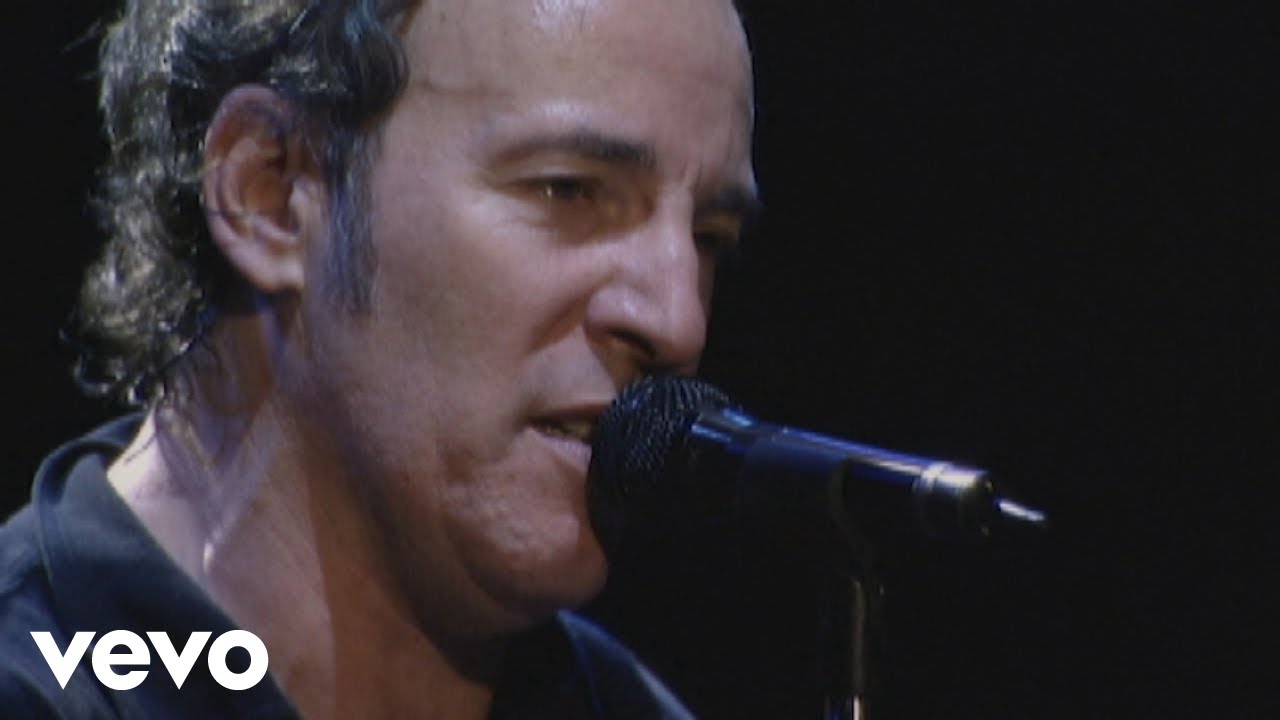
2. AMERICAN SKIN (41 SHOTS) (Live In New York City, 2001)
On February 4, 1999, Amadou Diallo was shot dead outside his apartment in The Bronx by four New York City police officers. In total, 41 shots were fired at the unarmed 22 year-old, 19 of which found their target. The officers were later acquitted of any wrongdoing.
Springsteen finished his 1999-2000 Reunion Tour with the E Street band with ten sold-out shows at New York’s Madison Square Garden and played the song every night. Although a studio version was later released on High Hopes, this live rendition brims with increased tension as a result of being performed in the city where Diallo was murdered: the Patrolmen’s Benevolent Association of the City of New York called for police officers to boycott the run of concerts, while Robert Lucente, then-president of the New York State Chapter of the Fraternal Order of Police, called Springsteen a “fucking dirtbag.”
In 2012, Springsteen dedicated the song to the memory of Trayvon Martin, who was killed by police in Florida that year. Sadly, the song’s central refrain – “You can get killed just for living in your American skin” – remains as pertinent as ever.
1. YOUNGSTOWN (The Ghost Of Tom Joad, 1995)
Springsteen’s songs most often focus on the specifics of their characters, channelling the political through personal stories, as well as their context and setting. Youngstown does the exact opposite, telling the story of Youngstown, Ohio – the town’s rise after the discovery of iron ore in 1803, its role in the manufacture of wars across the ages (from “the cannonballs that helped the Union win the war” to the weaponry of 20th century conflicts) and its subsequent fall in the 1970s with the decline of the steel industry – and the effects that all had on the numerous generations that lived through those times.
It’s a complex concept – Springsteen’s very own One Hundred Years Of Solitude – but one which he executes effortlessly. It’s the loudest and fastest track from The Ghost Of Tom Joad but that’s not saying much, and it’s still very much in keeping with the gentle folk that permeates the rest of the record. Despite this, the destruction wrought upon the town by the collapse of the industry is made all the heavier by the irony of the situation: “Well, my daddy come on the Ohio works / When he come home from World War Two / Now the yard’s just scrap and rubble / He said ‘Them big boys did what Hitler couldn’t do.’ / These mills they built the tanks and bombs / That won this country’s wars / We gave our sons to Korea and Vietnam / Now we’re wondering what they were dyin’ for.”
A sad and heavy denunciation of the military-industrial complex on which the USA still runs to this day, not to mention the long-term, damaging effects that warmongers and other industrialists have had on the country and its people for the sake of profit. It might be quiet, but its message burns as fiercely as the furnaces of hell.
