


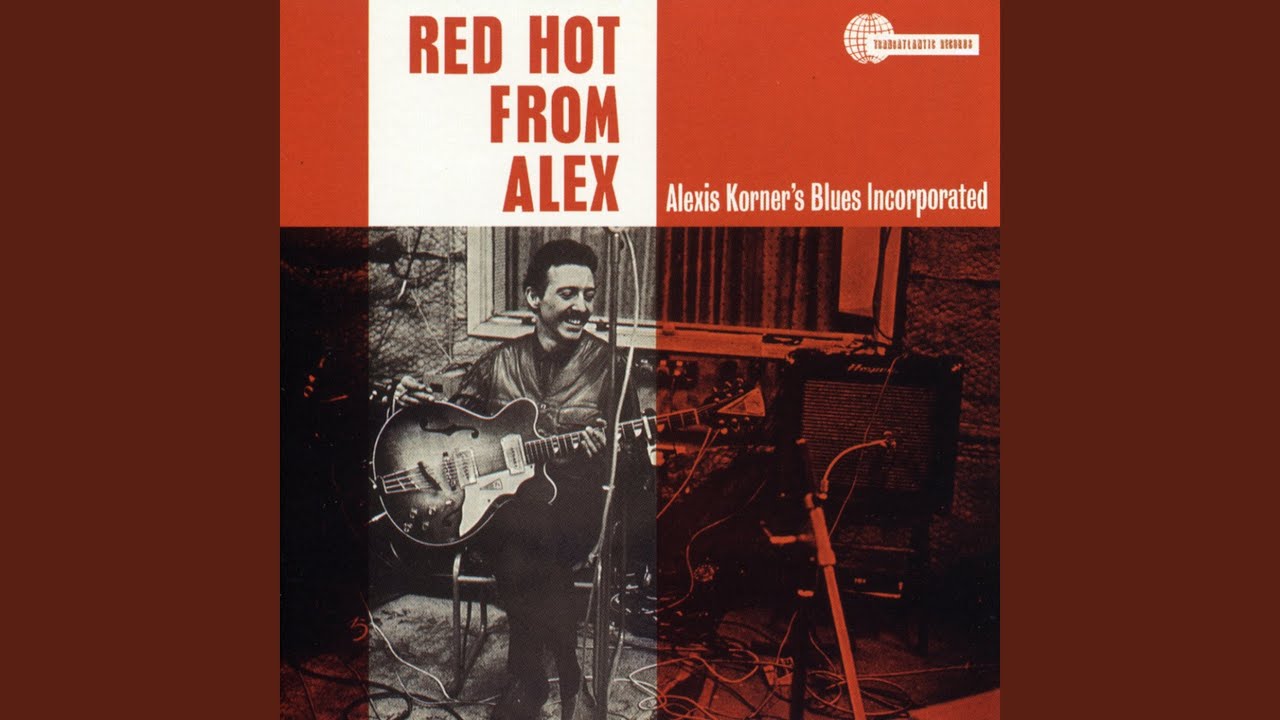
Virtuoso bassist Danny Thompson started his career with Alexis Korner, then helped found Pentangle before going on to perform alongside icons of many genres. In 2010 the late master of low-end theory shared some of his most memorable moments with Prog.
Chances are you’ve encountered the work of bassist Danny Thompson. Pentangle, Kate Bush, David Sylvian, Peter Gabriel, Nick Drake, John Martyn, Talk Talk, Alexis Korner, Richard Thompson, Tim Buckley, Paul Weller, Sandy Denny – these are just a few of the artists with whom Thompson worked in the studio or on the stage.
“I never say I’m not going to play with someone because they’re working in a different kind of music,” he says. “I’ll always have a play, and it’s that which has led into all kinds of different things. Back in the 60s I used to get a lot of grief from jazzers, asking me why I was bothering to play all that folk stuff. But I was never bothered what type of music it was. It was music – the only thing I cared about was if I liked it or not, and if I liked it, then I was going to play it. Simple as that.”
It’s an uncomplicated philosophy which has served him well, keeping him in demand for over five decades in an industry famed for its fickle, transient nature. Still best-known for his work in pioneering 60s group Pentangle – with whom he forged an innovative synthesis between folk and jazz – and his partnership with Martyn in the 70s, he was the recipient of BBC Radio 2‘s Folk Awards Lifetime Achievement in 2007.
The sound and style admired by so many didn’t come about by accident; it was the result of hours spent learning his craft, born in part from a competitive streak in his make-up. “I always wanted to be the best at whatever I did,” he says. “When I was a kid, I wanted to be the best footballer. When I first got my bass when I was 16, I was living on my own, and I put up a sign above my door which said ‘PRACTICE.’ It was there so that whenever I left the room I’d see this sign to remind me what I was meant to be doing.”
When you hear the rich lyricism in his playing, or the rhythmic invention that informs his work, it’s hard not to go overboard with praise. His appearance on a track can be decisive without ever being obvious or unduly demonstrative. He can make Victoria – the double bass he’s played since he took up the instrument in the early 1950s – sing as poignantly as the proverbial lark ascending, or thunder ominously, propelling the music into pensive, darker territory.
While there’s an undeniable virtuosity present in his recordings, it’s unencumbered by unnecessary showboating or vulgar displays of technique. Often he’ll turn heads with only the briefest of runs, or dazzle listeners with fleet-fingered twinkling harmonics. Best of all, his low-down slides reach deep into the soul of both music and listener.
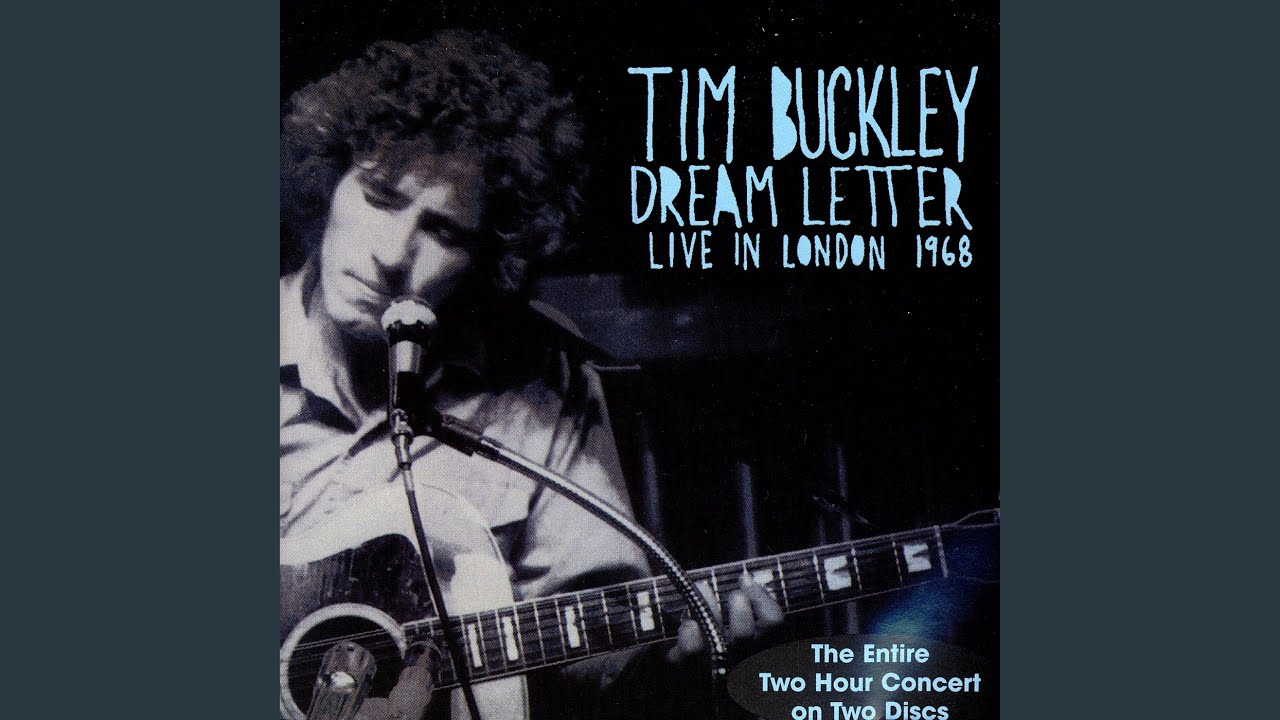
His ability to get inside a piece with only the barest of information is legendary. When, feted singer-songwriter Tim Buckley played a now-celebrated gig in London in 1968, (released in 1990 as Dream Letter), Thompson was drafted in at short notice and played the show without recourse to any sheet music. “We met in the afternoon at the venue and we played through some the songs he might do that night,” he recalls. “I might have made a couple of notes about keys and so on, but mostly I just worked on my feet.”
Buckley’s propensity to depart from the musical script was handled with aplomb by the musicians working with him that night. Thompson’s combination of lightning-sharp reaction and tasteful precision which has come in useful many times since.
But that inner drive also exerted an altogether darker force upon his life. “I would drink any amount of booze or take any drug you put in front of me,” he admits. When I drank, I was going to be the best drinker in the bar, or take the most drugs or whatever. When I did give up the drink I was going to be the best at that.”

After emerging from his addiction in 1978, he could’ve been forgiven for resting on his laurels. But playing it safe has never been part of his style, and throughout the 80s and beyond, he’s maintained a rigourously eclectic programme of music-making.
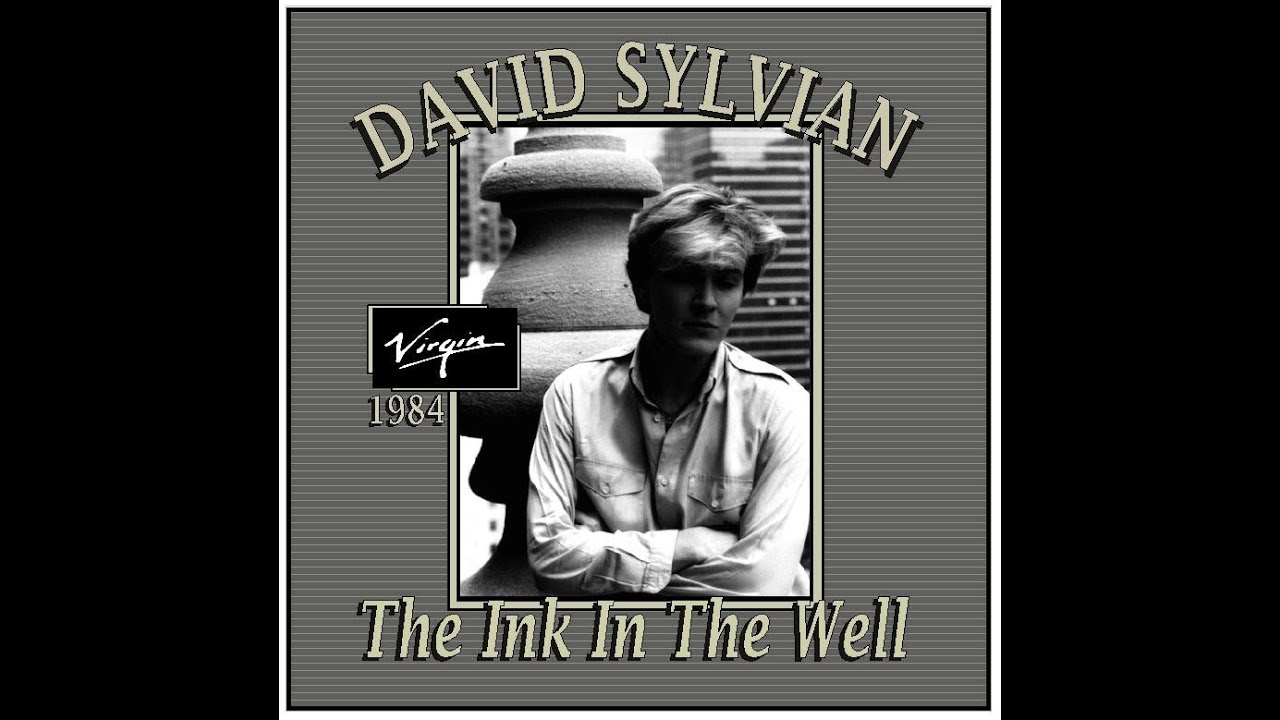
His encounter with David Sylvian during the recording of the singer’s 1984 solo debut, Brilliant Trees, typifies Thompson’s attitude. Though he’d known of Japan, he didn’t know Sylvian by name. Arriving at Wessex Studios, he was greeted by producer Steve Nye, who took him through to the room.
There’s only one opinion that really matters when people make records, and that’s the opinion of the artist
“There was this guy sitting on the floor playing guitar, and Steve said ‘This is David.’ We said our hellos, and I said, ‘All right, what key is this in?’ because I hadn’t heard it beforehand or anything, and he said, ‘I don’t know.’ I remember saying, ‘Not another guitar player who doesn’t know what chords he’s playing!’ There was a look – but he was very sweet and we both laughed.”
That album’s Ink In The Well finds Thompson abandoning himself to his muse. “David just gave me free rein. I just do what I think is appropriate, and I hopefully serve the song. I did take a few liberties, and if you let me, then I’ll definitely get stuck in. When we went into the playback I thought some of what I did was a bit over the top, but they loved it.”
At first glance, the pairing of the aesthetically-inclined Sylvian and the famously garrulous bassist might seem incongruous; yet Thompson was invited to return for Sylvian’s 1987 album Secrets Of The Beehive. Whereas the first recording date with the singer hadn’t seen any parameters imposed upon the bassist, this recording was different. Was that a problem?
“Not at all! David is a remarkable bloke, totally unaffected, and he knows exactly what he wants. I’d do something and David would come back and be very, very explicit with his directions. On tracks such as The Boy With The Gun, Orpheus or Mother And Child, I didn’t have the kind of free rein as much I did with previously. But I’ve got absolutely no criticism of that at all.
“There’s only one opinion that really matters when people make records, and that’s the opinion of the artist. In that kind of setting, I’m really just a screwdriver in the toolbox, which is a role I really enjoy.”
If I listen to stuff I did in the early days and think, ‘I was all over that!’ Whereas maturity brings a bit of simplicity
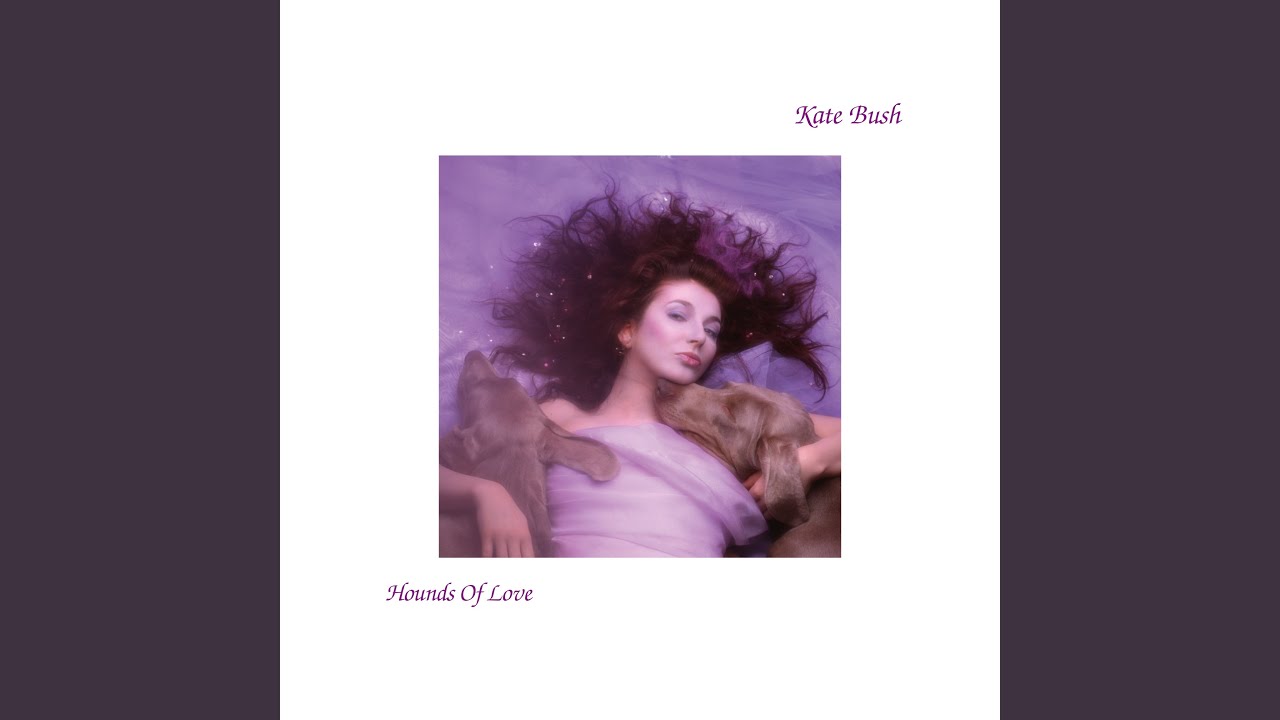
Bush is another unique talent who made great use of Thompson’s dynamic playing. She too presented him with guidelines when he worked on The Dreaming (1982) and Hounds Of Love (1985). “It was just a great creative process. She was definitely in control. I saw her recently, and she was just that same beautiful person. It’s so refreshing.
“When you meet people who have an attitude on their way up in the profession, it’s a real shame. And it’s usually the people who are not all that great, who just want to be famous. Whether you meet footballers, boxers or actors, the really great ones are always ‘normal’ – they’re not different at all or affected by it all. They’re not touched by all that’s going on around them; they’re just doing something they really love.”
What Bush, Sylvian, and all the others have in common is their admiration for his Thompson’s with John Martyn. While stories of the duo’s near-industrial consumption of alcohol and associated scrapes and japes are legion, it’s the telepathic empathy of their work together for which they’re rightly remembered.
Aside from the unexpurgated cockney-geezer banter heard on Live At Leeds, the music they made is steeped in risk-taking, oozing camaraderie and mutual respect. “I loved John,” says Thompson of Martyn, who never quite managed to kick the booze, and died in 2009. “What can I say? I miss him.”
Still busy as ever, he pauses to reflect on his work. “If I listen to some of the stuff I did in the early days I think, ‘Blimey! I was all over that!’ Whereas maturity brings a bit of simplicity. It’s harder to be simple. Hopefully, I’ve matured as a player.
You apply yourself to all these different things because you want to do it and because it leads on to other things
“When people ask me to play, they may be fans who’ve heard me on something. You go in and do something you think is perfect for the song – but they’re expecting you to fly about like a lunatic because they’re paying what they think is good money for this bloke with an unbelievable reputation.
“Well, the bloke with the reputation is trying to keep his reputation by playing what he finds suitable for that song. He’s not showing off his prowess on the bass. So sometimes people are thinking, ‘Is that it?’ – but the few notes you are playing are absolutely spot on for the track.
“What they’re getting is the heart and soul, and total dedication. When I go into a studio it’s not like another job. It’s a creative process that you want to get involved in. You still have the enthusiasm as you did when you were 16 years old, playing with your mates in a garage, and that’s never changed for me.”
His willingness to engage with things new or different has taken him well beyond the expected comfort zone of his peers in either jazz (his first love) or his adoptive homelands of the folk scene. His career can be viewed as a series of tangled family trees, intersecting lines, chance meetings and surprising connections – often as entertaining as they are unexpected.
“I played with Alexis Korner for three years and through that I got to play with Little Walter and fantastic people like Josh White. It was probably through Alexis that I met John Renbourn on a TV show and that in turn led to Pentangle.
“You apply yourself to all these different things because, first of all, you want to do it out of pure enjoyment; and, secondly, it leads on to other things.That doesn’t just apply to music, but to daily life.”
Any advice for aspiring players? “Don’t have any prejudices!”

