


Bram Stoker might have had connections to Roger Daltrey and The Rolling Stones back in the 70s, but they split up before the release of their debut album. In 2017 guitarist Pete Ballam – who died in 2019 – told Prog the story, and revealed what he was trying to do to rectify the situation.
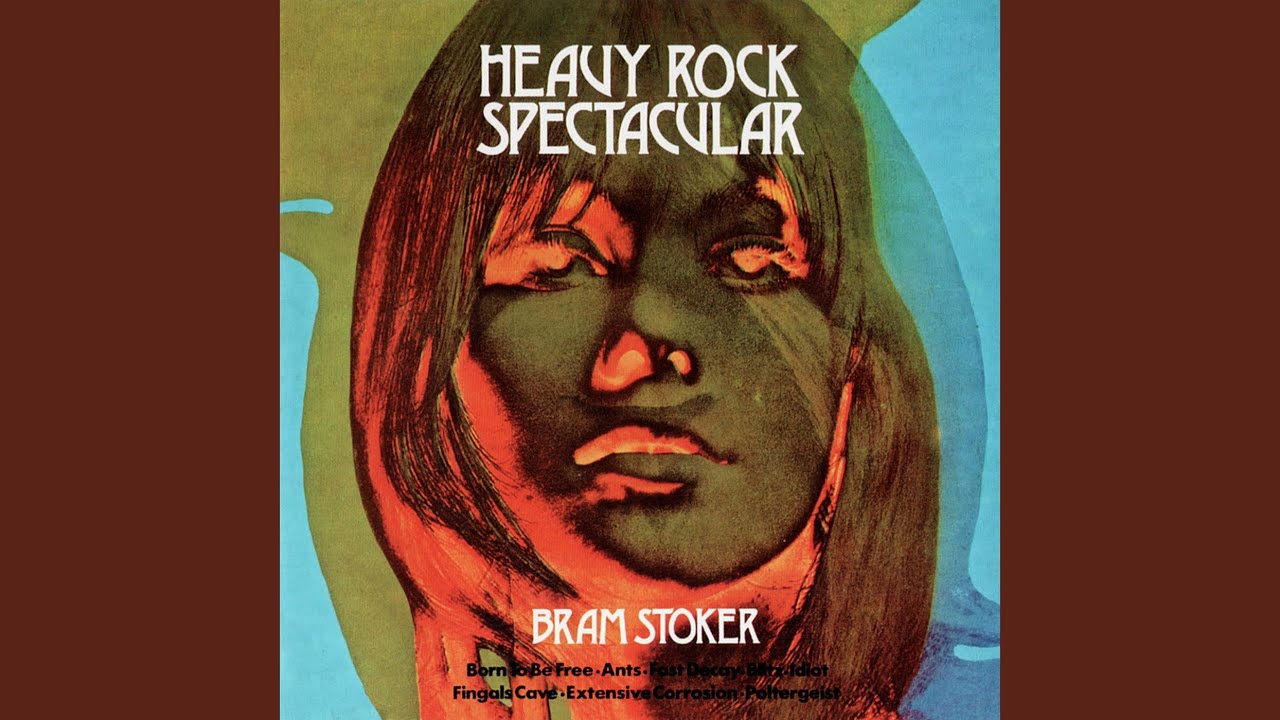
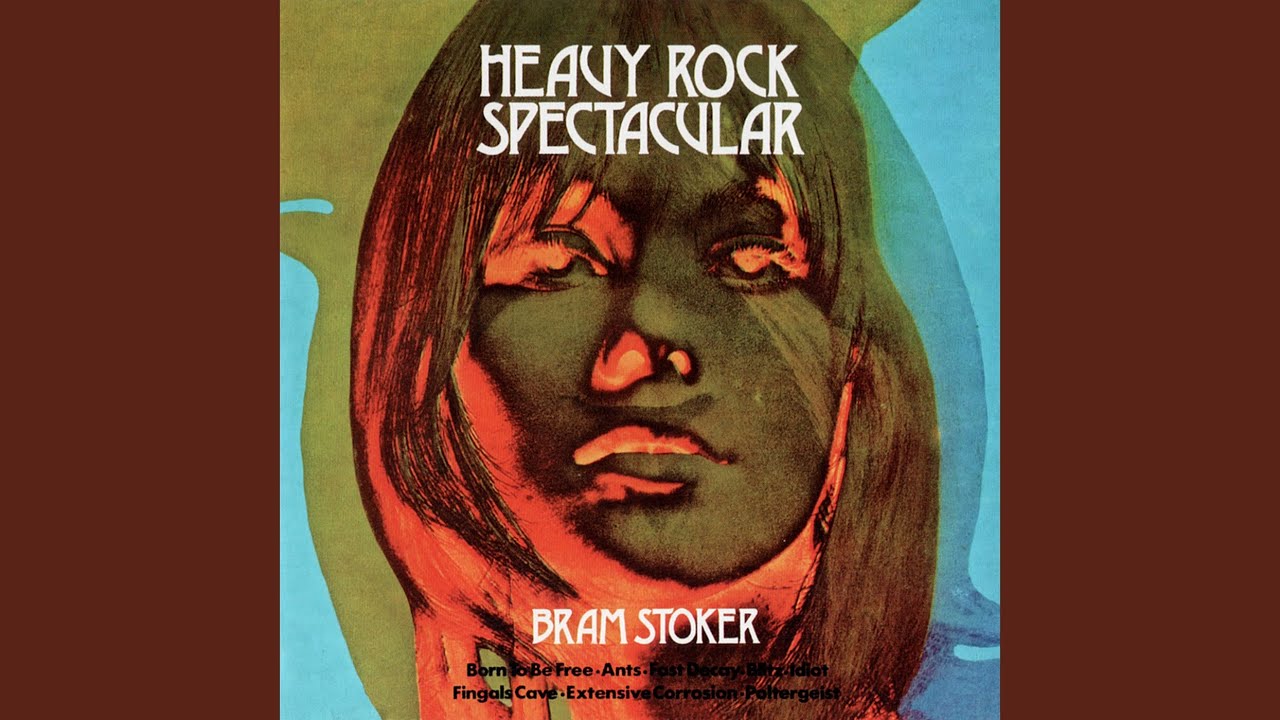
For a short period Bram Stoker seemed to be at the vanguard of the progressive rock movement. The Bournemouth band’s only album, Heavy Rock Spectacular, was recorded in 1970 – and it still sounds pioneering today as it introduced a steampunk slant to the genre.
Led by guitarist Pete Ballam, they made quite a splash among their peers and seemed destined to make a major impact on the scene. But it didn’t work out; they split in 1972, and an attempted reunion failed in 2004.
Four decades on, Ballam has released Manic Machine, a solo album featuring fresh recordings of old songs, many of which were earmarked for a second Bram Stoker album that was never made. For Ballam, it’s a chance to finally show the world what might have been.
There was a connection with The Shadows in the band’s early days, wasn’t there?
Myself, Hammond organ player Tony Bronsdon and drummer Rob Haines were in a band with Jet Harris, The Shadows’ bassist, for a little while. That was early in 1969, but it didn’t work out.
I came up with a heavy progressive arrangement of Scarborough Fair, but Jet couldn’t get his head round it. Then one day he rode into our rehearsal hall on horseback and ruined the floor.
As a result we were thrown out of there and the whole project fell apart. Soon after that Tony, Rob and I started Bram Stoker.
You briefly had Roger Daltrey as your producer. What happened there?
We did a gig with The Who in Bournemouth and I persuaded Roger to watch our set. He was impressed enough to ask for any rehearsal tapes we had, and then he invited us to his cottage to do some recording.
We did six tracks towards an album, but then he had to abandon the project because The Who were going on tour in America. He asked us to keep in touch, and he did give us valuable advice a little later on.
It’s such a shame we never got to finish the album with him. I have no clue what happened to those recordings. It would be great to get them properly released one day.
You got signed through the Rolling Stones.
We did a gig at Brunel University, and five labels came down to see us. After the show, this guy came up to me and said he’d booked a London studio and also a hotel for us the following week. He also left us £100 in cash. He turned out to be Tony Calder, who was heavily involved with the Stones.
So we went to De Lane Lea Studios as instructed, and worked with Tony Chapman, who was the Stones’ spare producer, for a week. But he was dreadful. Those recordings did not represent what we sounded like.
I asked Calder if we could have the album remixed, but he told me it would have to stay as it was. That turned out to be Heavy Rock Spectacular, which as far the band were concerned was a waste of time. It was only in 2004 that I even found out the album had been put out in 1972!
How did the album get released without your knowledge?
I assume the tapes were sold on by the Stones’ people, and eventually reached Audio Archives, who put it out on CD in 1997. I discovered it by chance when the landlord of a pub showed me his copy!
You were renowned for your Doppler speakers. What were they?
They were rotating speakers. I built my own cabinet with speakers at either end of a box, and when it spun I got an amazing three-dimensional guitar sound. I controlled the box manually, but I shan’t give any more details – that would be giving away trade secrets!
Why did the band split up in 1972?
I lost my voice at a gig in Cardiff and had to get the train home. I was exhausted, and I collapsed in bed for a week. Our bassist Jon Bavin, meanwhile, had told me that he wanted his royalties paid up in advance or he was giving six months notice that he was quitting the band. The combination of that threat and my illness left me fed up, so I decided to end the band.
There was an attempt to reunite in 2004. What happened?
After I found out Heavy Rock Spectacular had been put out without our knowledge, I found the rest of the guys and got them to agree to a music publisher having a go at getting at least some of the money we were due.
We got together at a pub in the New Forest. The atmosphere was very odd. But I suggested we should think about recording the album in the way we always wanted.
Rob was up for getting stuck into doing rehearsals immediately. But Tony was now managing director of an electronics company and didn’t have the time, and Jon also showed little interest, so it fell apart.
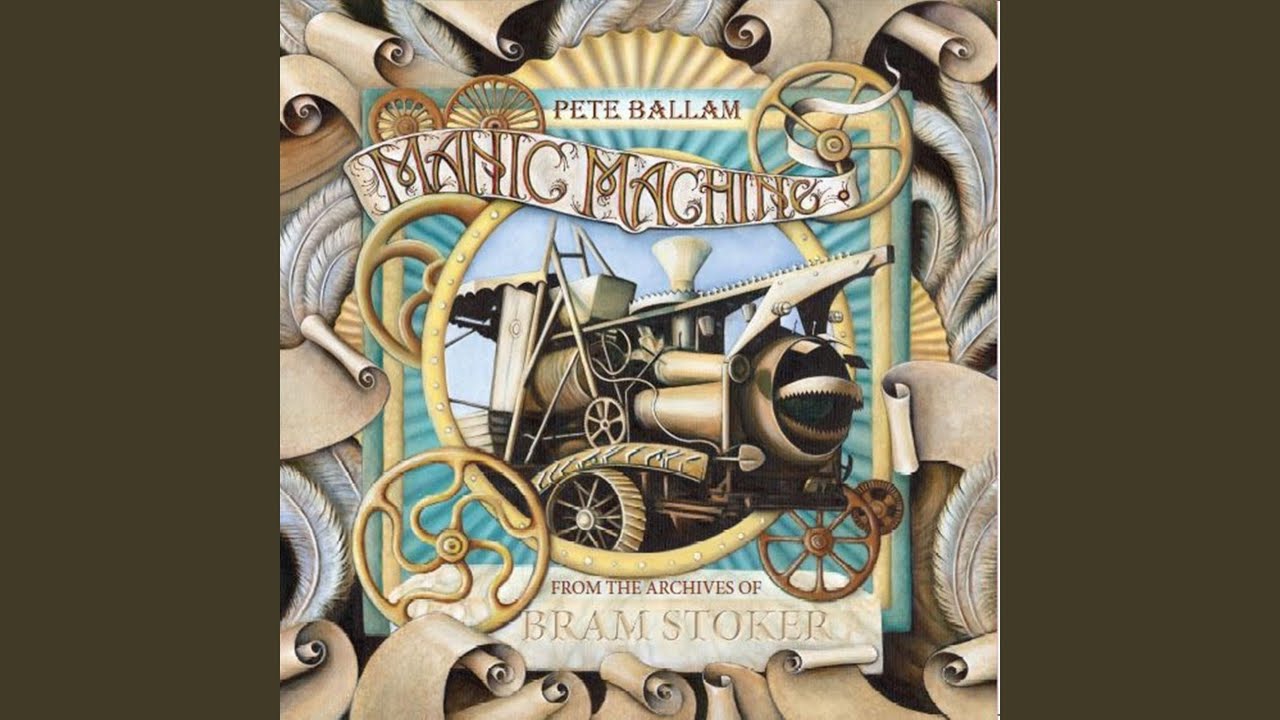
You’ve just put out new album, Manic Machine. How did that come about?
I was offered sponsorship for any project I wanted to do. I had recordings of songs, some of which dated back to 1969, so I decided to get studio time at Cube Recording in Cornwall to finish it.
What I was missing were a vocalist and drummer. I was fortunate to find Matt Roberts to do the former, while Gareth Young, who runs Cube, is a drummer in his own right.
There’s a new Bram Stoker line-up now out there, featuring Brondson and Bavin. Do you have anything to do with it?
I was asked by the guys if I minded them doing a few local gigs, and I had no problem in agreeing to that. But they’re based 300 miles from where I now live in Land’s End, so there’s no direct contact.

