


When Prog asked Carl Palmer to choose his musical icon in 2019, he didn’t need time to think before naming jazz pioneer Miles Davis. He explained his perhaps surprising decision; while, three years previously, Steven Wilson collaborator Adam Holzman had told us about his four-year tenure in Davis’ band.
Carl Palmer: Perhaps it seems odd for someone known as a rock drummer to pick a jazz trumpeter. But Miles Davis fascinated me from the stuff he did in the early 1950s with John Coltrane onwards.
He was an absolute leader. Besides his playing having an unbelievable tone, what I liked most was that he made every note count. He didn’t always play a lot and he wasn’t necessarily the greatest technician around – but it didn’t matter. What he did was meaningful.
He was one of the first to use a wah-wah pedal on a trumpet. He also wore a glittery jacket on stage, and a pair of big sunglasses, which drew me to him more than ever!
Davis was one of the first jazz players to try to cross over into the world of electric jazz. With Bitches Brew [1970] he set standards for all to follow. He was responsible for switching people on to jazz in the same way that Emerson, Lake & Palmer made classical music available to young people.
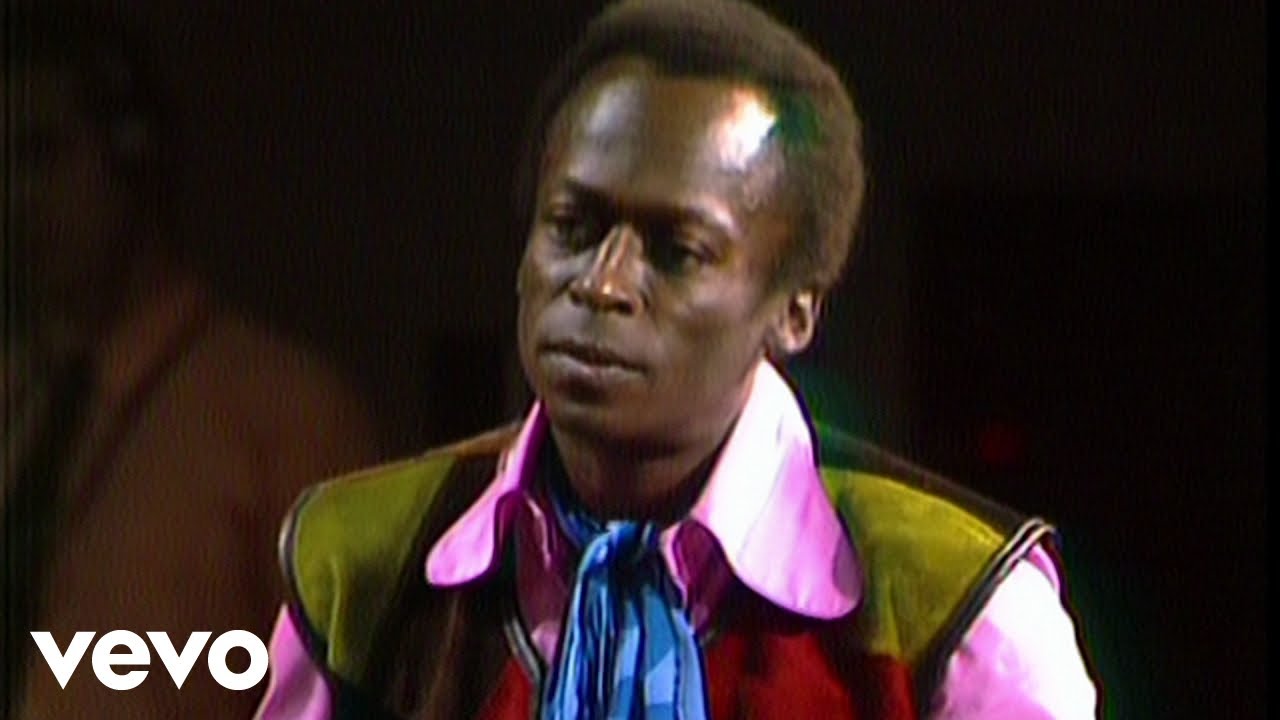
He wanted a wider audience. Unlike so many jazz musicians, he never buried his head in the sand. People might listen now to what he did back then and find it too experimental, but at least he was willing to step out of the box.
Adam Holzman: Being musical director for Miles meant I was the first one who got yelled at! No – seriously, he was pretty hilarious. He had a really dry sense of humour; very sarcastic. At band rehearsals he’d have everyone cracking up.
He was pretty specific about what he wanted. People have this impression that he would look at the band and say, ‘Make it more grey,’ and we’d all know what he meant. That’s not how it was.
He’d look over the bass and say, ‘Modulate here,’ or, ‘Leave that note out.’ He’d always have a little tape recorder with maybe something from Prince or someone, and say, ‘Can you put this into the song?’ or, ‘Listen to the brass part.’ He was always talking about two-bar phrases.
One of the biggest lessons you learn from working with Miles is what to leave out. I also learned from him how to create something out of nothing.


