




As the 80s eased into the 90s, Danny Vaughn wrote a song that bore the bore the hallmark of a future classic. The subject of Forever Young was an unnamed, overworked waitress and her unemployed boyfriend. Its clarion call ‘Forever young, time on our side/We’ve got tomorrow, we’ve got tonight’ was followed by the killer couplet ‘Two hungry hearts out on the run, we’ll always be forever young’. Over the decades, Forever Young has morphed into a timeless, lighter-waving rock’n’roll denouncement of the ageing process.
Forever Young had delivered Tyketto’s record deal but, largely thanks to John Kalodner, the Geffen Records hitmaker who sanctioned their signing, the track suffered a painful birth. Aided by Heart and Bad English producer Richie Zito, Tyketto had recorded a faithful version of its demo that was sonically superior, but Kalodner sent it back. When asked why, he replied: “I don’t know – just do it again.”
This process continued for days until Zito realised the problem: “We’re asking John, when we should be telling him.” So the first version was re-submitted, with an ego-massaging note that said: “John, you were so right. We have figured out the song. Here it is.” Kalodner’s reply: “Perfect.”
Circa Forever Young’s release in 1991, singer Vaughn was 30 years old and fresh out of Waysted, wildman bassist Pete Way’s post-UFO band. “Between Pete and Tonka [Chapman, ex-UFO guitarist], that experience vacillated from the most exceptional moment of my life to being a bit of a trial,” Vaughn remembers now. Way favoured grittier music than their third album, 1986’s Save Your Prayers, and Vaughn suspects his presence in Waysted was “more to do with the record company [Parlophone] and pressure to be commercial, but Pete went with it because he wanted to sell records”.
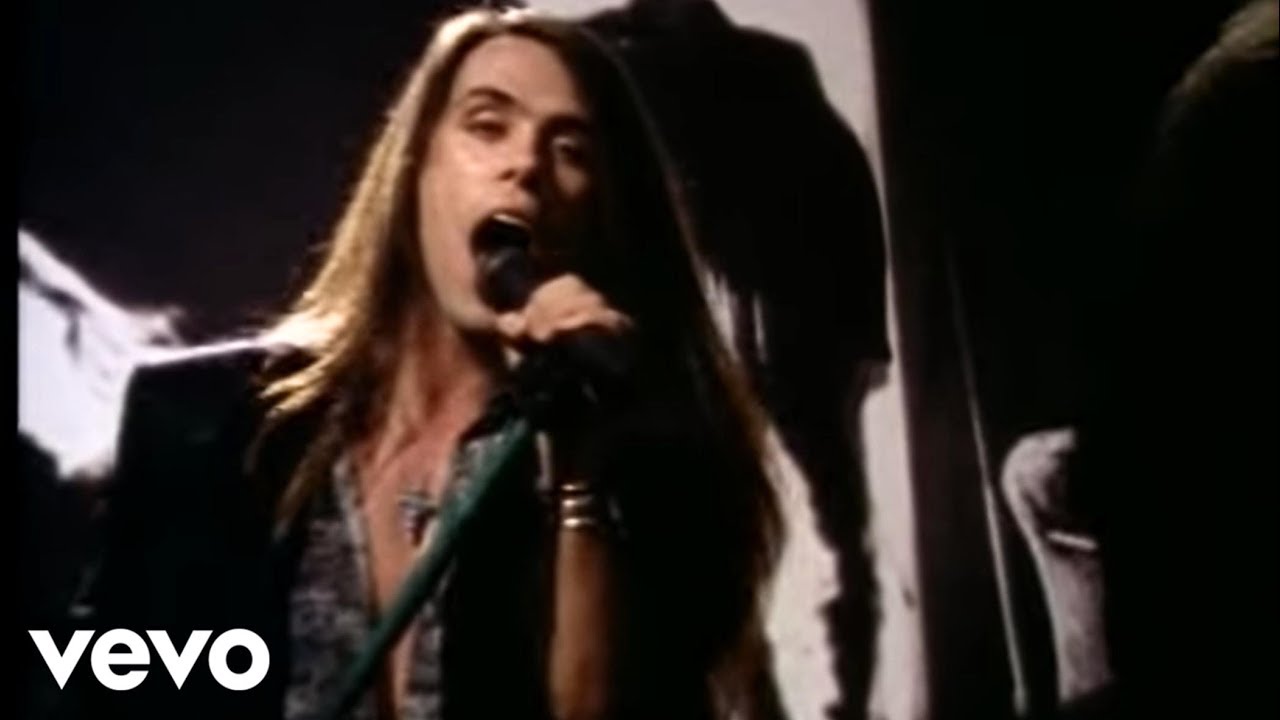
After Waysted “ended with a whimper”, as he puts it, Vaughn could be as melodic as he wished, and, back in his US homeland, bassist Jimi Kennedy and drummer Michael Clayton soon joined him in that quest. Guitar hero Brooke St James was the final piece of the Tyketto jigsaw.
“I didn’t know anyone before my audition,” says St James, “but although each of us had different tastes – Danny really loves acoustic-driven music, and Michael was a big Zeppelin guy – they melded together really well, and everyone was driven to do whatever it took to make the band succeed.”
For seven months Tyketto hunkered down in a shared house in New York City, writing the material for their debut album, Don’t Come Easy, and shared stages with the likes of Skid Row and the BulletBoys. Following a show at the Cat Club they were approached by Mary Gormley, a Geffen talent scout, who told them: “If you sign with anyone else I will kill you.” To seal the deal, Tyketto performed five songs in an aircraft hangar-sized room for an audience of one.
“Afterwards, Kalodner told us: ‘You’re as good as Mary said. Let’s go for it,’” Vaughn recalls. “John was the most successful A&R guy around – possibly ever – and being a part of his umbrella opened a lot of doors, but he was extremely hard to please. As we were to discover.”
Don’t Come Easy, released in the spring of 1991, has come to be regarded as a genre classic, Kerrang!’s full five-star appraisal describing it as: “An absolute diamond – a picture of classic AOR-tinged heavy rock”. Shortly afterwards, Tyketto jetted in for their first British dates – and wiped the floor with headliners and management stablemates White Lion. “We had expected empty rooms, possibly even bottles of urine, but from the first night, in Cardiff, everyone knew the words to the songs,” Vaughn marvels. “We were welcomed as mini-heroes.”

However, with grunge gathering momentum, Tyketto’s relations with Geffen Records worsened. Kalodner had already told the band: “The Brits don’t buy records”, so Tyketto dipped into their own pockets for the trip with White Lion. They also stumped up for a promo for the track Wings, after the band entered the office of an exec to discuss making a video, and being told: “The answer is definitely no… unless you want to do it yourselves.” Unsurprisingly, when Geffen were presented with a second album, Strength In Numbers, the label rejected it.
A few years back, Vaughn told Classic Rock that while he personally “couldn’t fucking stand Nirvana”, he at least “came to understand them”.
“MTV had saturated people’s attention with the same twenty videos a day, and it was time to move on from guys with incredible hair and outfits, swinging guitars around their backs,” he says now.
“Tyketto shared a label [Geffen subsidiary DGC] with Nirvana, and I can tell you that they were as astounded by the success of Nevermind as we were,” he adds. “It was the fans that made the change.”
While some contemporaries adapted their style and look to avoid being seen as old hat alongside grunge, Tyketto stuck to their guns. “Melodic rock is what we do,” Vaughn states. “We were not going to be swayed.”
Strength In Numbers was eventually released in 1994, via Music For Nations in Britain and CMC International in the US. Tyketto found a more sympathetic home in the independent world.
New bassist Jaimie Scott had already succeeded Kennedy, but amazingly Vaughn himself was about to leave, and Tyketto’s third album, the following year’s Shine, was recorded with singer Steve Augeri. So amicable was Vaughn’s exit from the band that it was he who proposed the pitch for Augeri, whose own former group Tall Stories were a favourite of his and had just fragmented.
“Some personal issues were behind my leaving, but primarily it was down to our treatment by Geffen,” Vaughn explains. “I could tell a thousand horror stories. Also, it was a case of not wanting to see my dream die,” he adds candidly. “Nobody enjoys playing to thirty people, and at the time we were down to sixty or seventy.”
Vaughn laughs at the absurdity. “It was becoming embarrassing; you can’t do big-anthem rock to thirty people.”
The Augeri-fronted Shine didn’t provide Tyketto with the breakthrough they craved. “By that point nobody cared about our style of music any more,” St James reflects. “Also, Steve’s voice was more like Steve Marriott, and it didn’t help matters that we had become more of a Rolling Stones or Black Crowes-style band than the original incarnation.”
Soon after 1996’s year’s Take Out & Served Up Live (a collection of concert performances, B-sides and oddities), Tyketto decided to call it a day. Eight years passed before a reunion of the original line-up, although Vaughn, Michael Clayton and Jaimie Scott went on to work together under the handle Vaughn. Soldiers And Sailors On Riverside and Fearless, both made at the turn of the century, were tremendous albums that kept the Tyketto spirit alive, but in making music for a considerably smaller independent label and touring it on a tiny budget they were swimming against the tide. Vaughn laughs when reminded of a now un-PC and deeply sarcastic contemporary potshot he made at the label that issued them: “If you want to stop the spread of Aids around the world, give it to Z Records to distribute”.
Outside of Tyketto and Vaughn, Vaughn has gradually amassed a sizeable catalogue, including solo records and projects such as From The Inside and Flesh And Blood, the latter with Mark Mangold from Touch and Drive, She Said. He worked with his good friend Dan Reed in the duo Snake Oil & Harmony, recording their album Hurricane Riders, toured with two Eagles tribute acts, and for a while went poacher-turned-gamekeeper by becoming a talent scout for Atlantic offshoot Lava Records.
When Tyketto’s first reunion eventually came round in 2004, it was with the full original lineup. Three years later they made a big deal of signing off, apparently for good, only to return again 12 months later.
“I blame that completely on Michael [Clayton], who had wanted us to finish, whereas I’m always: ‘Never say never’,” Vaughn says, grinning. “Michael can take the hit for that one.”
Some of Tyketto’s comebacks included St James, while others didn’t, and it’s tough to imagine the band doing such a sterling job of reinventing itself without Chris Green, the British guitarist who took over in 2014 for a run that spanned almost a decade, along with the album Reach in 2016. Save for the addition of Vaughn’s former Waysted partner Johnny Dee on drums two years ago, the current Tyketto – which includes Thunder bassist Chris Childs and keyboard player Ged Rylands – have gently built their profile for quite a while now.
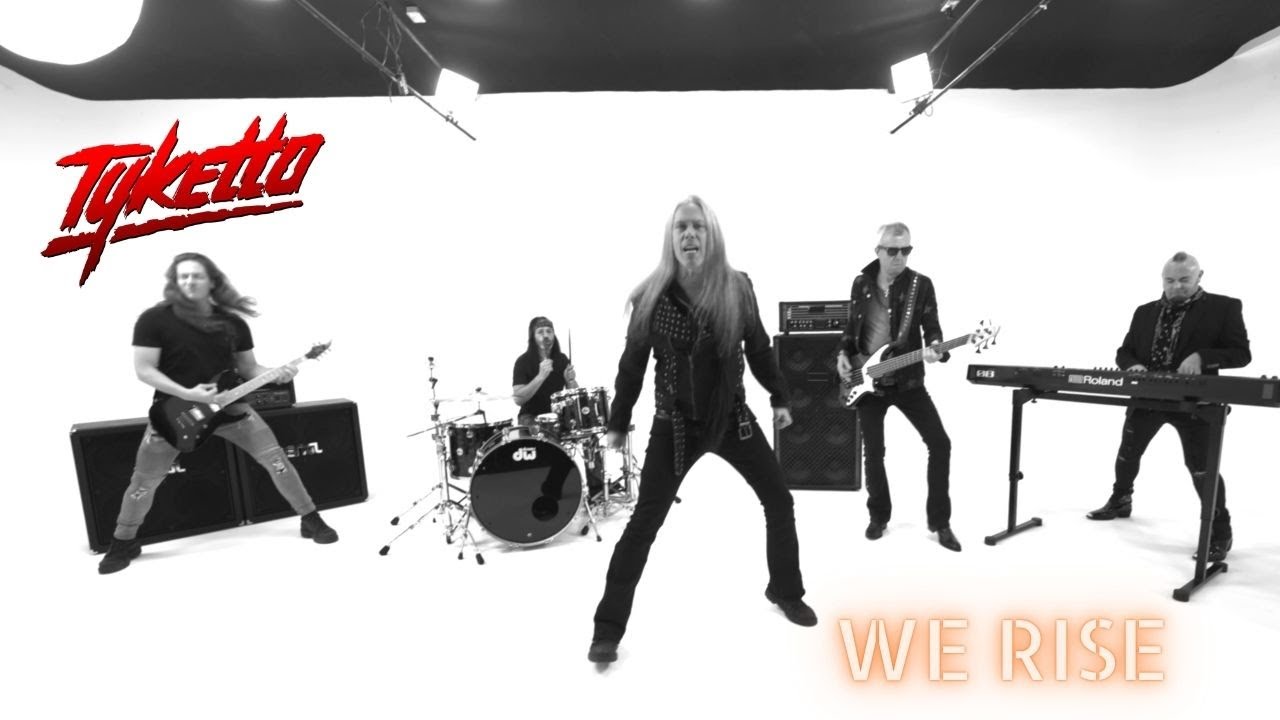
Their newest guitar hero, introduced in 2023, is Harry Scott Elliott, an impressive 38-year-old Welshman who had caused waves with Kane’d, a band featuring three singing sisters including the now rising solo star Chez Kane. Elliott grew up to the sound of Tyketto.
“My parents had Don’t Come Easy on vinyl or cassette – I don’t remember which as I was only six years old,” Elliott says, laughing. “They played that album a lot, and I used to imitate Brooke St James’s solos in the mirror. Along with George Lynch [guitarist with Dokken], Brooke is why I play the guitar.”
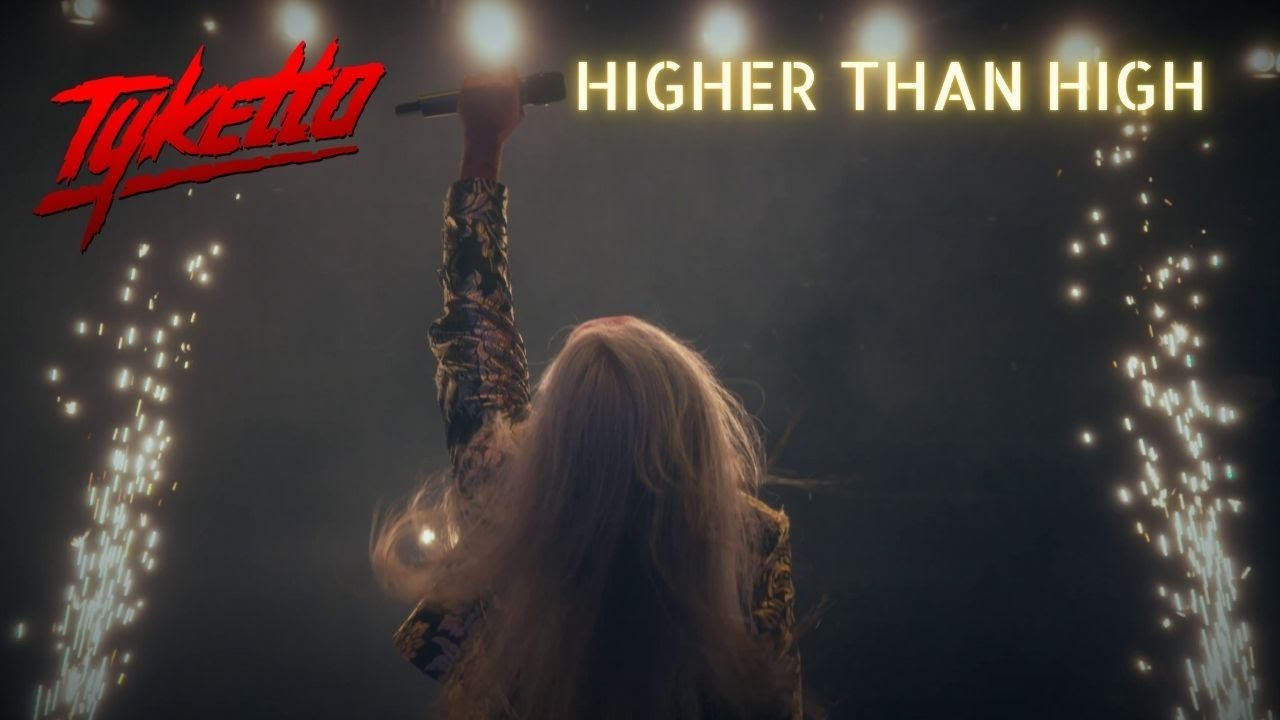
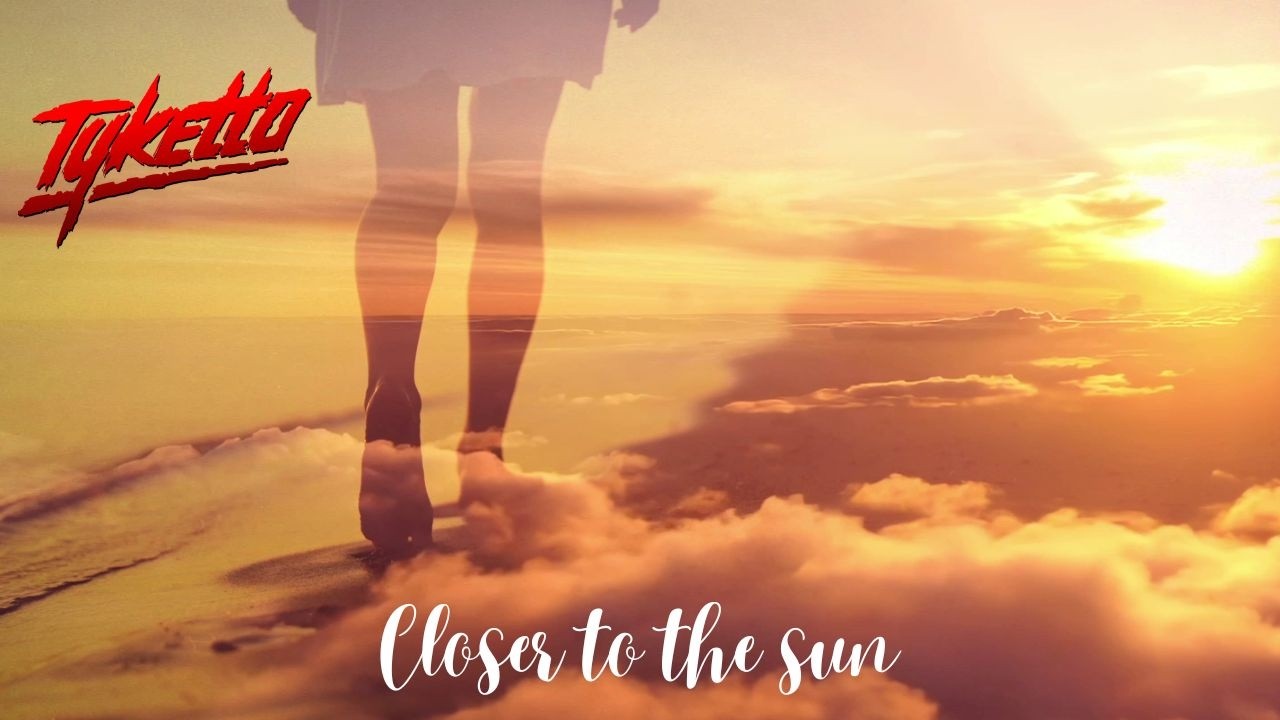
It’s this collective that features on the first Tyketto album in a decade, Closer To The Sun. Previewed by its boisterous lead single Higher Than High, the album offers the usual references to the ups and downs of life and some nice metaphor, a beautiful, ballad-like Far Away, and even an obscure though well-suited cover of the Roxette song Riders In The Sky.
Tyketto undertake a 10-date British tour in April, with the band’s stock having grown throughout 2025, first from supporting Uriah Heep on their farewell tour, then with Tyketto’s appearance at the Maid Of Stone Festival in Kent. Each time Vaughn asked audiences who was new to Tyketto, an enthusiastic sea of hands arose all of the way to the back. This response didn’t affront his pride.
“Along with the audience’s overwhelmingly positive response to those shows, I found it empowering,” he says, smiling. “Tyketto has always sold its music door-to-door. On a festival bill, we are listed just above ‘and others’, and I love that that is starting to change now. These are the most exciting of times for the group that considers itself The Little Band That Could.”
Closer To The Sun is released on March 20 via Silver Lining Music.

