


January 2026 marked 40 years since the death of iconic Thin Lizzy frontman Phil Lynott. To mark the occasion, Classic Rock spoke to some of the great man’s closest friends and bandmates. Here, Lizzy guitarist Scott Gorham looks back on one of rock’s great musical partnerships and the friendship at the heart of it.

“The first time I met Phil Lynott, I mistook him for a waiter. My audition for Thin Lizzy took place at – of all locations – an African restaurant called the Oroque Club in West Hampstead – now long gone. Back in 1974 I had never even been to Hampstead before, and my knowledge of Thin Lizzy was just a few days old. At that point I had only been in the country for five months.
“An Irish pal of mine had told me about this ‘Irish band’, and frankly I didn’t have a clue what he was talking about. Irish band? Back then I was thinking bagpipes or something. But he insisted: ‘No, no, no, they’re a really cool band.’ Apparently they’d had a hit single, Whiskey In The Jar, but I hadn’t heard it. I hadn’t seen their picture in the papers and didn’t know what they looked like.

“After I expressed an interest, their manager, Chris Morrison, asked me to come down and jam with the boys and I said: ‘Yeah, absolutely.’ When he heard my accent Chris said: ‘Are you American?’ I replied: ‘Yeah? Is that a problem?’ He thought for a second and replied: ‘I don’t know yet. We’ll figure that out as we go.’
“So, I’ve got my guitar with me, and I find the back door of the restaurant. There’s this long, dark hallway, and at the end a few tables and a gang of guys with flowery shirts on.
“As I got into the light, I heard: “Are you Scott?” There was this black guy. For a moment, I thought: ‘That’s really cool, they’ve sent one of the waiters through to show me where to go.’ But instead he reached out his hand and said: ‘I’m Phil. I sing and play bass with Thin Lizzy.’

I wondered whether I was in the twilight zone. What’s going on here? As I tried to get to grips with the Irish accent coming out of this black guy, he yelled over to the two guys on stage: ‘This is Scott. He’s gonna jam with us today.’ The two guys, who I learned were both called Brian – Robertson and Downey – just looked me over with complete indifference. I thought: ‘That’s real friendly.’ I didn’t know at the time, but they’d already gone through twenty-four guitar players that day, and here comes number twenty-five to drop-kick out of the door. That explained the negative energy.
“Right off the bat, my first impression of Phil was that he had an absolutely magnetic personality. Everything gravitated towards him. Obviously he was the leader of the gang, the one giving all of the directions. He was telling one Brian to do something, and the other Brian to do something else. But at the same time he was very friendly. Most band leaders, the ones feeling all the pressure, tend to be pricks, but Phil was quite easy-going.
“He was a very generous guy. He did not want this to be Phil Lynott And Thin Lizzy. His whole thing was: ‘We’re all in this together. So if you have any ideas for riffs, chord patterns, anything, then bring them forward.’ That’s something I was really looking for – you know, a partner to write with. Someone I could learn more about songwriting from. And this guy was standing right in front of me. He had a real presence. I thought: ‘This is fantastic.’ And luckily I got the gig.
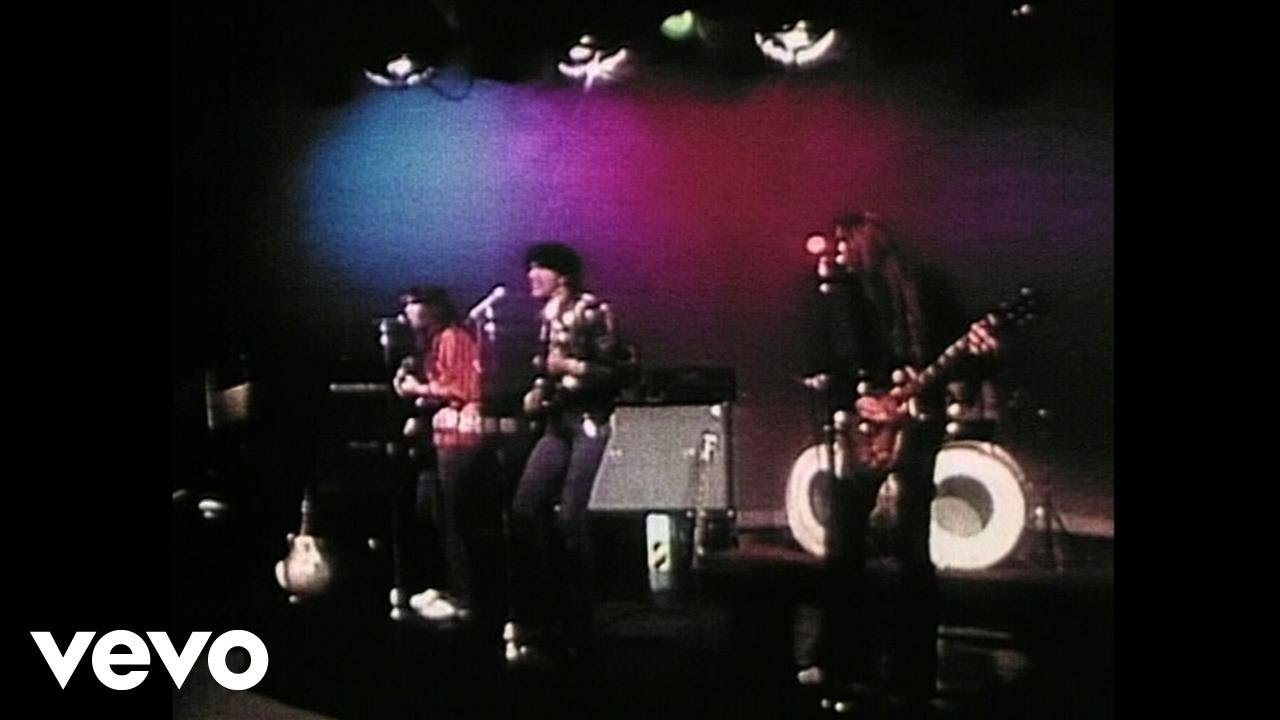
“The more time I spent with Phil, the more I liked him. He had a mischievous smile and he was a force of nature. Some have said that there was an insecurity about him, and there might be something to that theory, but you must remember he had been the only black guy in Dublin. The first time I went to Ireland I quickly realised: ‘My god, he had to grow up like that.’ So, yeah, there may have been a little bit of insecurity but I figured he handled it all very well. It’s not easy being The Lone Ranger, but he wasn’t going to let that be his downfall.
My first impression of Phil was that he had an absolutely magnetic personality. Everything gravitated towards him.
Scott Gorham
“Among the things I loved most about Phil was our shared sense of humour. That really drew us together. We laughed about everything – black jokes, white jokes, any kind of jokes.
“Phil was just a very cool, easy-going guy. But he had a trick he liked to pull. There was a time and space when if he didn’t get his way then he’d threaten to leave the band. And of course the only possible response was to say: ‘Okay then, you can have your way.’ If he said it once he said it a thousand times. But one time I called his bluff. I said: ‘Alright. Well, that’s it. It’s all over, we’re going back to the apartment. You quit the band.’ And Phil got all flustered because he knew he had been busted. I told him: ‘You are never going to use that phrase again, right?’

“Thin Lizzy worked really, really hard trying to take off, and there were many, many times when we feared it was never going to happen for us. Our whole premise was trying to be as original as we possibly could. Which made me wonder how might this actually be for an original band? Are we gonna get enough people on board to actually sustain us?
“And then The Boys Are Back In Town became a hit and we were big- time all over the world. When that happened, it felt incredible. It became a completely different thing for the band. The paranoia over the following album, or the fear of not being able to do the next tour, all of that was gone. The fuse had been lit and we were all ready to go.
“When it did happen, it felt like the most natural thing in the world. Of course it was going to, right? But it was like being part of a madhouse. There were some fiery characters within Thin Lizzy, and a lot of crazy shenanigans took place. You know, somebody would quit halfway through an American tour, or somebody would say they were not going with us on this really important trip to Australia.
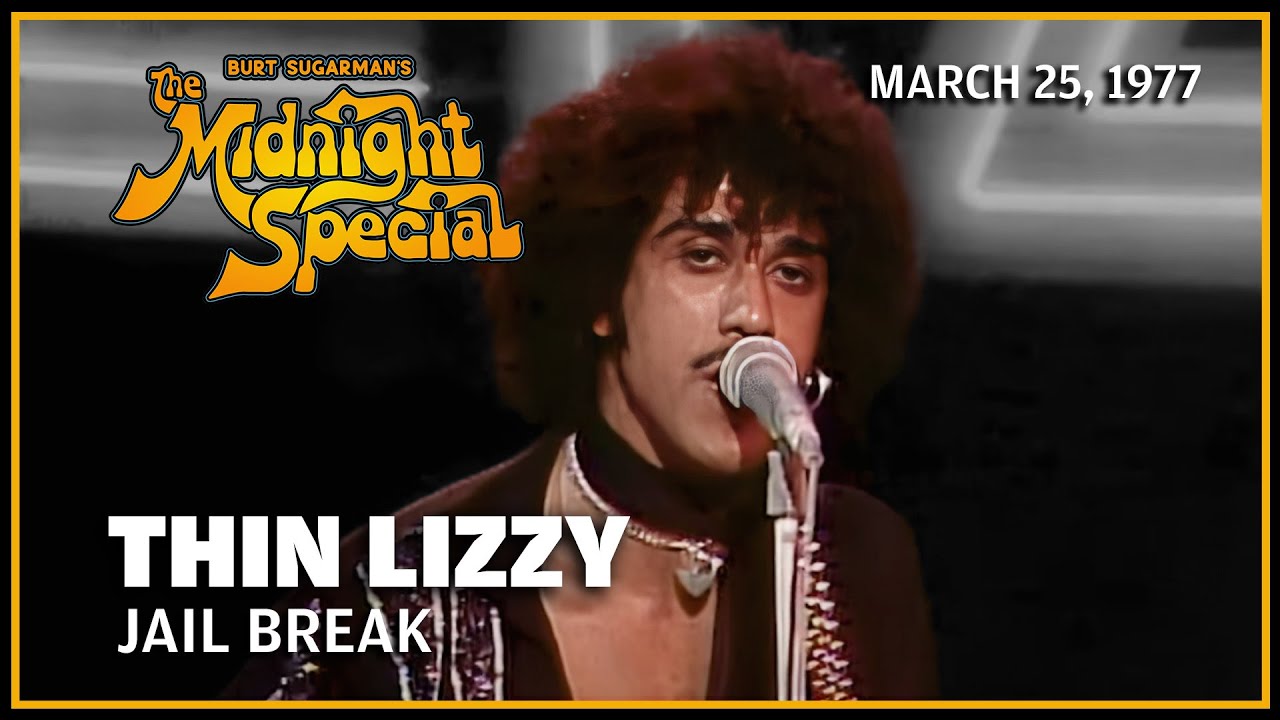
“Each time that happened I would always ask Phil: ‘Is this it? Are we done? Can we get another guy in here, and will the audience buy it?’ Phil’s response was always the same: ‘Yeah. One hundred per cent.’ He knew there was not going to be a problem. If a new character came into the band, while I often had doubts, Phil was always so sure about everything. We were always going to make it work. And that’s pretty much what happened. Thank god for that. And I was dragged along by his optimism.
He had been the only black guy in Dublin. The first time I went to Ireland I realised: ‘My god, he had to grow up like that.’
Scott Gorham
“Phil was such a good band leader. The most successful type of band leader is one that listens to those around him. You can’t make all of those decisions by yourself. It’s egotistical to think of yourself as such a genius that everything you say or do is going to be correct. Phil wasn’t like that. He was the leader of the gang and it was his band, but he wanted to listen to what you had to say, and it was taken seriously every single time.
“I guess from the outside, people might have felt that Thin Lizzy was just this indestructible thing. I don’t think of any band in the history of music has ever felt indestructible, except maybe the Rolling Stones. The way that musical trends change, the constant changes in the charts… it all feels so precarious. There’s never going to be a safe space. But once we got rolling, we were pretty hard to dislodge. We got our heads down and we kept going.

“There’s a school of thought that when Phil had Thin Lizzy taken away from him in 1983, when the band broke up, it sent him into a tailspin. Unfortunately the truth is even sadder still.
“Phil was already in a tailspin, due to the drugs. It’s why I kept telling him we had to walk away from the band. I said: ‘Buddy, both of us are ill right now. Being in this pressure cooker isn’t doing us any good. We’ve got to deal with that. It won’t heal the wounds that both you and I have. We’ve got to get out of this, not for ever, but we’ve got to give it a while, man. So that we can heal ourselves.’
“And Phil was dead against that. I know that sounds unbelievable. He was in denial, almost. That’s what his situation was at that point. Whereas I was adamant. I told him: ‘I’ve got a problem, and Phil, you’re worse than I am right now. So you’ve got to realise that you have a problem also, right?’ He was like: ‘Yeah, yeah, yeah…’
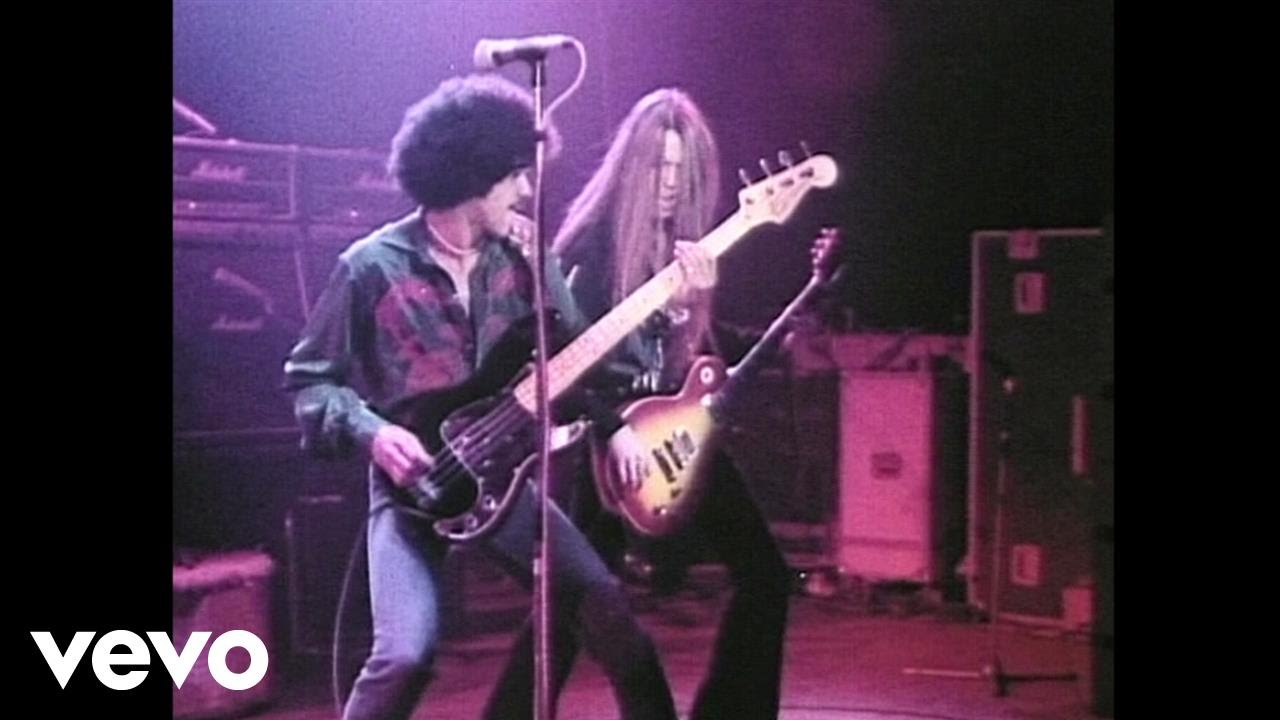
“Even before the farewell tour, I had already threatened to quit the band to get straight, but Phil talked me around: ‘We can’t do that to the fans.’ He meant quitting. ‘We’ll get another guitar player on the right hand side of the stage. We’ll do another album, we’ll do another world tour, and then we’ll walk away’. I said: ‘Well, okay.’
There’s a school of thought Phil went into a tailspin when the band broke up. He was already in a tailspin, due to the drugs
Scott Gorham
“I had gone in there intent on bolding this thing out, and now we’re doing another world tour. This guy could talk you into just about anything.
“John Sykes brought the band rejuvenation with the Thunder And Lightning album, so perhaps you could understand why Phil thought there was still some life there. But I kind of felt sorry for John. Although he would have realised that this was the end, at least for a while, when he joined us I don’t know if anybody actually mentioned to him that this was it – the last tour. I always felt a little pang of guilt about that.

“While Phil was busy doing the Grand Slam thing, I was recuperating, if you can put it that way. Only Phil could tell you about the toll it took on him when he couldn’t get that band off the ground. That’s not my business.
“Myself, I was eating and sleeping better and staying away from a whole gang of people because I didn’t want to be tempted back into taking more drugs. I was on a path and I needed to stay on it.
“So unfortunately I lost contact with Phil for a little over a year. But finally I felt well enough and had enough comfort in myself to go over and see Phil. I wanted to be around him again and show him what I had been talking about – that I was healthy, and that it could be done. I was busting to get going again. I wanted to get back out on the road, and not to simply have to be out there. There’s a big difference.

“When I saw him, Phil told me: ‘Yeah, man. You look great.’ And I’ve got to say that he looked terrible. And still he was saying: ‘Listen, let’s get the band together again.’ And I go: ‘We can’t do that, buddy. You’ve got to get better. You’re losing your voice all the time. Until you realise that, it’s just not going to work.’ He just didn’t realise.
I do know that Phil would be so proud that the legend of Thin Lizzy lives on. Had he lived, it would have made him very emotional.
Phil Lynott
“A little later I got a call from Phil’s driver, Big Charlie, who told me that Phil had had a serious heart attack. When I asked which hospital he was in, Charlie said: ‘It’s only immediate family they’re letting in, but I will give you a call to let you know how he progresses during the day, right?
“To take my mind off things, randomly I decided to go down into the basement and spend some time cleaning up that area of the house. When the phone rang again upstairs, I didn’t hear it. But my wife, Christine, screamed: ‘No! No!’ I knew right then what had happened. And I just sat down on the stairs and cried. It was that immediate for me. Christine opened the door, came down and started to say: ‘Scott…’ and I just sighed: ‘You don’t need to tell me.’ What a terrible, terrible day that was.
“There’s the old saying that time heals all wounds. To a certain degree that’s true, but not completely. Unfortunately. Even forty years later, I often find myself thinking about Phil. A song will come on the radio, or when someone happens to mention my friend who is no longer around, it takes me right back to those days.
“Forty years on, I wish I knew why the Thin Lizzy songs are still loved and adored the way they are. I can’t really explain it. But I do know that it’s all about the fans, and I thank them for that.
“Phil loved his football. He was crazy about Manchester United. And in a way Thin Lizzy inspired that same loyalty and passion. This was our gang, you know. Nobody’s going to win against Thin Lizzy United. That mindset brought the band and the fans together in a big way.
“Hopefully the fans really saw the heart and soul that we put into everything we did. Everything was for the fans. I like to think that’s why they stuck with us – and they still do, even though Phil’s not there. And neither are some of the others, sadly. But the feeling remains the same to the true Thin Lizzy fans.

“For years and years we had this stage-door-open policy after every show. It was something that Phil insisted on. You know, come on backstage, talk to the band, get the autographs and have the pictures taken. That was really an advantage for us, because we could ask: ‘Hey, what did you think of that new song we put into the show tonight? Whatever you think, there is no wrong answer. If you thought it was crap, be honest, tell us.’ We relied on them for that type of inside information, and they would give it to us every night.
“I do know that Phil would be so proud that the legend of Thin Lizzy lives on. Had he lived, it would have made him very emotional.
“I saw it again when we put the Thin Lizzy band back together with John Sykes on vocals and later on with Ricky Warwick. Every single night, thousands and thousands of fans bellowed out those songs all over again. The fervour was still there, even if Phil wasn’t. But we felt his presence every single time we walked out there on stage.”

