


Savoy Brown were part of the same late 60s British blues explosion that produced Fleetwood Mac, but they never got the credit – or success - they deserved. In 2019, the band's late mainman Kim Simmonds looked back on the near misses – and the single-minded drive that kept him going.

Having understood during their first tour of America in January 1969 that the US would always be more appreciative of Savoy Brown than at home in Britain, it was only a matter of time before Kim Simmonds emigrated there.
Since he did, in 1981, the Welshman’s visits back to the UK with his band have been infrequent. There’s no denying the fact that Savoy Brown neglected the British market, although it was more through necessity than choice. Then again, from marshalling the band’s revolving line-up to a variety of more personal crises that eventually caused him to reboot his playing style from scratch, very little of Simmond’s career has gone quite as he planned it.
Formed in 1965 as the Savoy Brown Blues Band to big-up their Chicago-style credentials, they were named in honour of the American blues label Savoy Records, contrasting its perceived glamour with the negative association of the colour brown. More than half a century later, guitarist/frontman Simmonds is the group’s last remaining original member, and has guided his band through forty albums.

On the day that Classic Rock catches up with him, Savoy Brown are in London as part of a rare five-date British tour. At 71 he comes across as battle-scarred but cautiously enthusiastic. On stage, his confidence grows visibly as the audience whoop and holler their approval – especially to a clutch of newer numbers that commence the set. As their approval escalates the expression on Simmond’s face is a heart-warming mix of surprise and genuine gratitude.
The blues is bottomless, so you twist a few words here and a guitar line there and suddenly you’ve got a new song.
Kim Simmonds
“I’ve spent more time in America than I ever did in England, but coming home is always an enjoyable challenge,” Simmonds admits during a pre-show chat. With the current line-up completed by bassist Pat DeSalvo and drummer Garnet Grimm, the past decade has seen a sharp rise in Savoy Brown’s stock, helped by their Witchy Feelin’ album in 2017.
The follow-up, City Night, is even better, its memorable choruses melded to meaty riffs and nimble yet unfussy solos. Savoy Brown make it all sound so easy, with the likes of Payback Time, Neighborhood Blues and Walking On Hot Stones reminding us that, although they started out as blues purists, they became a blues-laden hard rock band – a subtle yet key distinction.

“Oh, I’m so thrilled that you got that,” Simmonds says, beaming. “It’s all about the songs. I play every day and I listen to music every day, and when you do that it helps to maintain a certain focus. There was a time during the seventies, when I started a family, that I stopped, and it really was a big mistake. I began to think: ‘Hey, I don’t need to practise.’ But I’ve learned that you do.”
Critics of the blues do so because, by its very nature, the music demands a framework of familiarity. After forty albums, the goal of writing truly original songs that also remain true to their genre becomes a huge task.
“It’s extremely difficult, and after a while that stopped me in my tracks, because… well, what more can you do?” he shrugs. “The blues is bottomless, so you twist a few words here and a guitar line there and suddenly you’ve got a new song. But pushing the envelope requires a lot of work and imagination so when you hit a home run it’s extremely gratifying.”
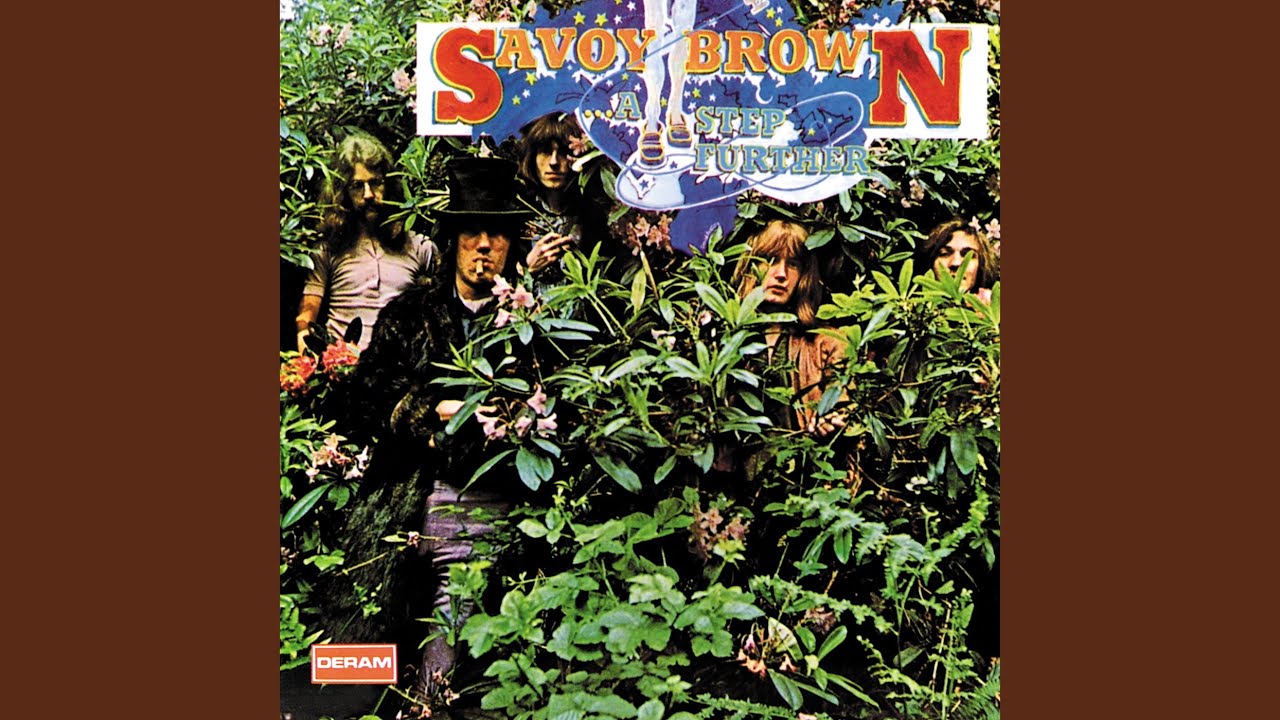
It wasn’t always that simple, though, and during the following decade, the 80s, Simmonds became gripped by writer’s block of the most serious kind. Some of the distractions remained the same, such as doing his best to care for a young family. Others, he admits, were “less legitimate – I became my own worst enemy.
“It all affected me so badly that I could no longer really play the guitar,” he sighs. “To do so is to know that you are communicating with people, and when it goes away that brings [a] very empty feeling. Who wants to play a scale? No, you want to express your personality and connect with an audience.”
Scratching the scab of this nadir seems to cause some discomfort for Simmonds: “I had fights with band members who told me I’d completely lost it. And they were right. It was a terrible time.”

The only solution was to place himself outside the problem and reevaluate.
“I had to go out and buy books,” he explains. “Though I could still play, I had no idea why I was no longer any good. I didn’t even know what a pentatonic scale was. So I was forced to analyse how I’d done it before, and start over. I’ve been right to the bottom and dragged myself back up again.”
The blues needs to be poetic. It’s like being an actor, there must be something you can draw upon.
Kim Simmonds
From the outside, Simmonds appeared to have been left in the lurch when three members of Savoy Brown (guitarist/vocalist ‘Lonesome’ Dave Peverett, bassist Tony Stevens and drummer Roger Earl) walked out to form Foghat in 1971.
“Oh no, it was nothing like that,” he responds cheerfully. “I instigated it all. I was writing material used for the Street Corner Talking album, which we tried out with the Foghat guys, but it simply didn’t work. So I broke the band up and moved things forward. I don’t say that with pride, but Dave and I were great friends before he died [in 2000], and I was so happy to see them become successful. Unfortunately I was a highly strung artist headed in another direction.”
With a whopping 59 band members having come and gone over the decades, Savoy Brown were graced by some truly incredible talent. When asked which member was the most difficult to sack, or to have parted company with, Simmonds doesn’t pick any of the expected names such as Stan Webb, Jackie Lynton, future Fleetwood Mac/Black Sabbath singer Dave Walker, vocalist Miller Anderson (Keef Hartley Band, Chicken Shack and others), Heavy Metal Kids drummer Keith Boyce, original Fleetwood Mac bassist Bob Brunning or even Paul Raymond of UFO (whose sad death followed a few days after our interview).
“Bill Bruford was a very unusual one,” he ponders, referring to the celebrated percussionist who has since played with King Crimson, Yes and Genesis, who was briefly in Savoy Brown in 1968. “Bill was a lovely man and a very talented drummer, but he wasn’t a blues drummer. As a serious musician he wanted me to tell him where he had gone wrong, and of course I was unable to do so.”

While there’s no discernible secret to the carving out of a 50-year career, Simmonds believes that a little modesty and an ability to swallow some shit always goes a long way.
“It’s about finding the balance between sometimes doing what you’re told to and remaining your own man,” he says. “You’ve also got to be prepared to lift up your own amp. Looking for musicians to play with during the hard times, I didn’t sit around waiting for them to come to me. I thought nothing of driving for four hours to audition somebody. There are times when you must impose yourself upon life and make things happen.”
And yet even at Savoy Brown’s commercial peak during the early 70s, stardom never sat too well with Kim Simmonds. Even now, with popularity/demand having dipped, he keeps such issues at arm’s length. Beyond a barely used Twitter account, he has no social media presence, and you could be mistaken for thinking that Savoy’s Brown’s official website is updated once every lunar eclipse. Tellingly, Simmonds suggests that City Night might never have existed had Quarto Valley Records, the label behind it, not contacted him to instigate the partnership.

“Fame comes with too big a price to pay. I just don’t like the attention,” he explains. “I’m happy to bowl along in my own sweet way. Frankly, I’m astonished that I have stayed out of the public eye to the extent that I have and yet still had a career.
Fame comes with too big a price to pay. I just don’t like the attention. I’m happy to bowl along in my own sweet way.
Kim Simmonds
“But that’s exactly how I wanted it. The music business is like an all-you-can-eat buffet – some people will go up to the counter and eat six meals, but all I need is a single plateful to fill my stomach. It’s a big failing of mine, but I much prefer people to find me rather to go out in search of them.”
So let’s make it easy for any newcomers. Which three of the band’s records would Simmonds recommend to any newly arrived, basement-level listeners?
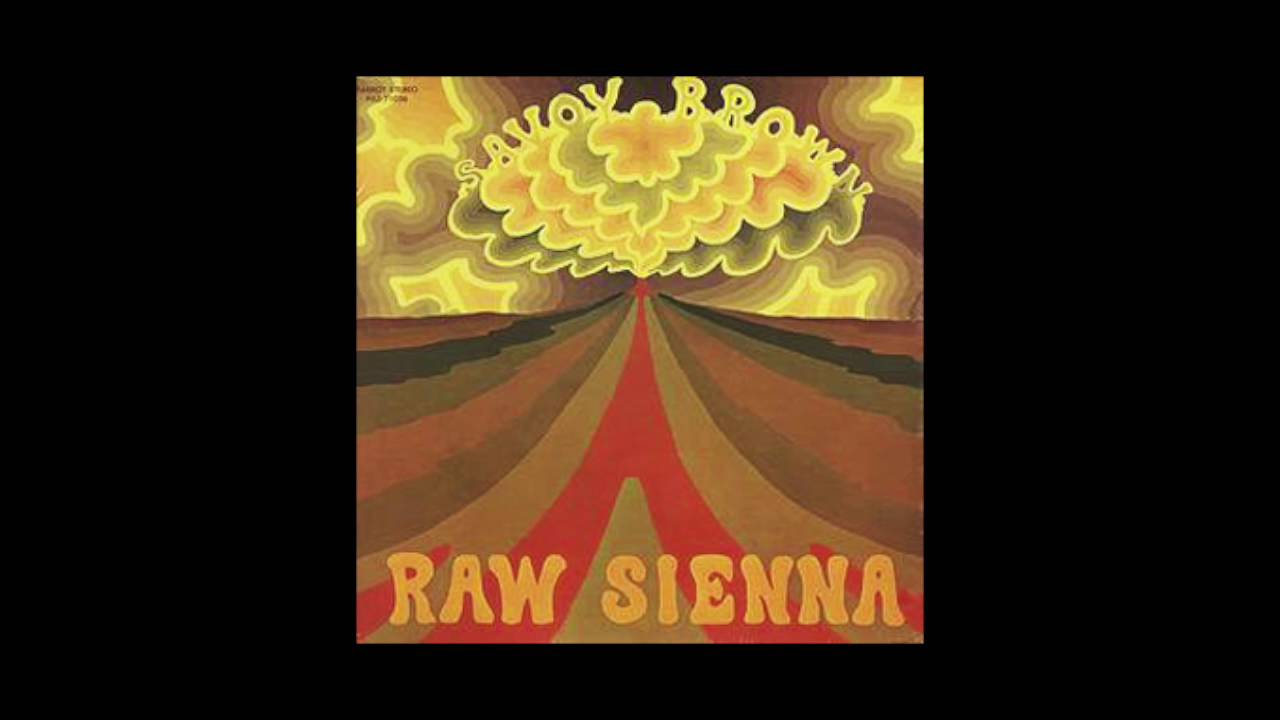
“At the very least I’d need to pick four,” he says. “You’d start with the very first record, Shake Down, from 1967, followed by Raw Sienna [the group’s fifth album, 1970]. From there you’d go to [album number seven] Street Corner Talking [1971]. And several decades down the line I’d include 2017’s Witchy Feelin’, which was a very successful record for us.”
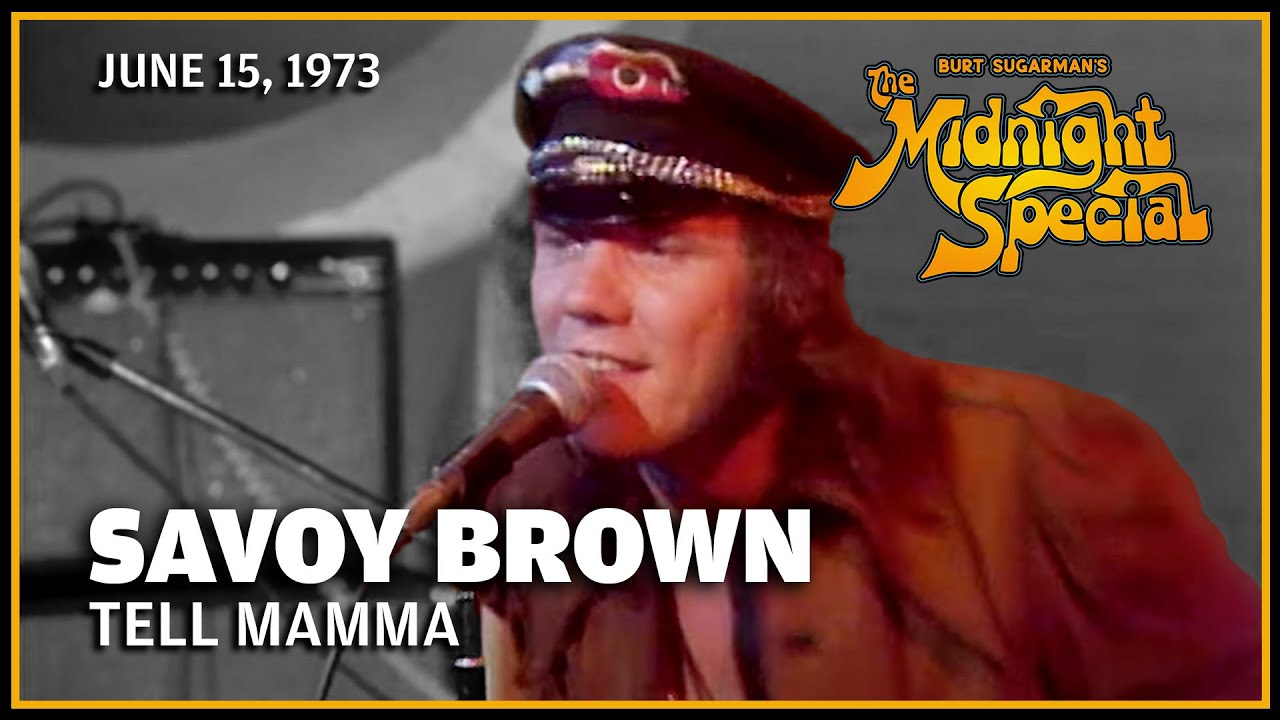
There’s a school of thought that you must be black and/or impoverished to play the blues. Simmonds is neither, yet understands why they are cited so readily.
“Colour is irrelevant and anybody can play the blues. And I’ve seen kids of twelve or thirteen do it. But to be a great blues guitar player you need a little life experience,” he claims. “The blues needs to be poetic. It’s like being an actor, there must be something you can draw upon. To play with feeling there has to be a melancholic side to your personality. And by that I don’t necessarily mean depressive. But tonight, hopefully, parts of the show will communicate something from deep inside.”
Simmons still retains a very clear memory of Savoy Brown’s debut gig, which took place in 1966 at the Nag’s Head Tavern (also known as Kilroy’s) in Battersea, South London. “It was a Wednesday, and six people showed up, but it was great,” he recalls, smiling. “What saddens me is that the Nag’s Head was the epicentre of British blues – Fleetwood Mac and Freddie King also played there – but you don’t hear of the place in any version of blues history. I’m writing my autobiography at the moment, and that’s something that I intend to correct.”

Uncannily, just as I’m about to ask whether Simmonds can quite believe that he and guitarist/singer Stan Webb, a Savoy Brown member from 1973-74, are to play a gig together, both in their seventies, the guitarist happens to stroll into the dressing room – Webb’s band Chicken Shack are tonight’s special guests – looking for a packet of crisps. The pair reminisce over times past spent with ‘Lonesome’ Dave, Mick Fleetwood and long-distant recording sessions.
Gig time approaches fast, and as we head for the door, Webb says fondly: “This man and me go back a very long way. It’s lovely that he’s still doing it and so am I.”
Originally published in Classic Rock issue 265 (July 2019). Kim Simmonds died in 2022.

