


In keeping with Neil Young’s spontaneous nature, Like A Hurricane was written on the fly. Young and some drinking buddies were bar-hopping in La Honda, California, in the summer of 1975, when they stopped off at a local scenic spot to do a few lines of cocaine.
"We were all really high, fucked up,” Young told Uncut. "Been out partying. I wrote it when I couldn't sing. I was on voice rest. It was nuts – I was whistling it. I wrote a lot of songs when I couldn't talk."
Young wrote lyrics on a piece of newspaper in the back of a 1950 DeSoto Suburban, a huge car belonging to CSNY road manager and video producer Taylor Phelps. And when he got home, the Canadian worked out the chords on a keyboard mounted in an old pump organ in his front room.
“None of the original guts were left inside the thing," said Young. "But it looked great and sounded like God with this psychedelic Univox Stringman inside it… I played that damn thing through the night. I finished the melody in five minutes, but I was so jacked I couldn’t stop playing."
Unable to sing due to a recent injury to his vocal cords, Young jammed it through with Crazy Horse at his ranch, where Like A Hurricane eventually fell into place. Recorded in November ’75, the song emerged as one of Young’s long-form signature pieces, an eight-and-a-half-minute epic that ranks alongside Down By The River, Cowgirl In The Sand and Cortez The Killer in terms of scale and fierce grandeur.
It begins as it means to carry on, with a guitar solo. And while the verses are tender – ‘Once I thought I saw you/In a crowded hazy bar/Dancing on the light/From star to star’ – the music is savage, driven on by Young’s distorted guitar and Frank ‘Poncho’ Sampedro on the Stringman synth.
The rhythm section of Billy Talbot and Ralph Molina, meanwhile, never allow the tension to slacken. Young squeals into his second extended solo, before leading the charge over stinging minor chords towards an exhausted finish.
The chorus borrows from Del Shannon’s Runaway for its opening chord progression, the reedy fragility of Young’s voice in sharp contrast to the heavy clamour of the music around him. He would later describe the attitude of Like A Hurricane as “pure and innocent.”
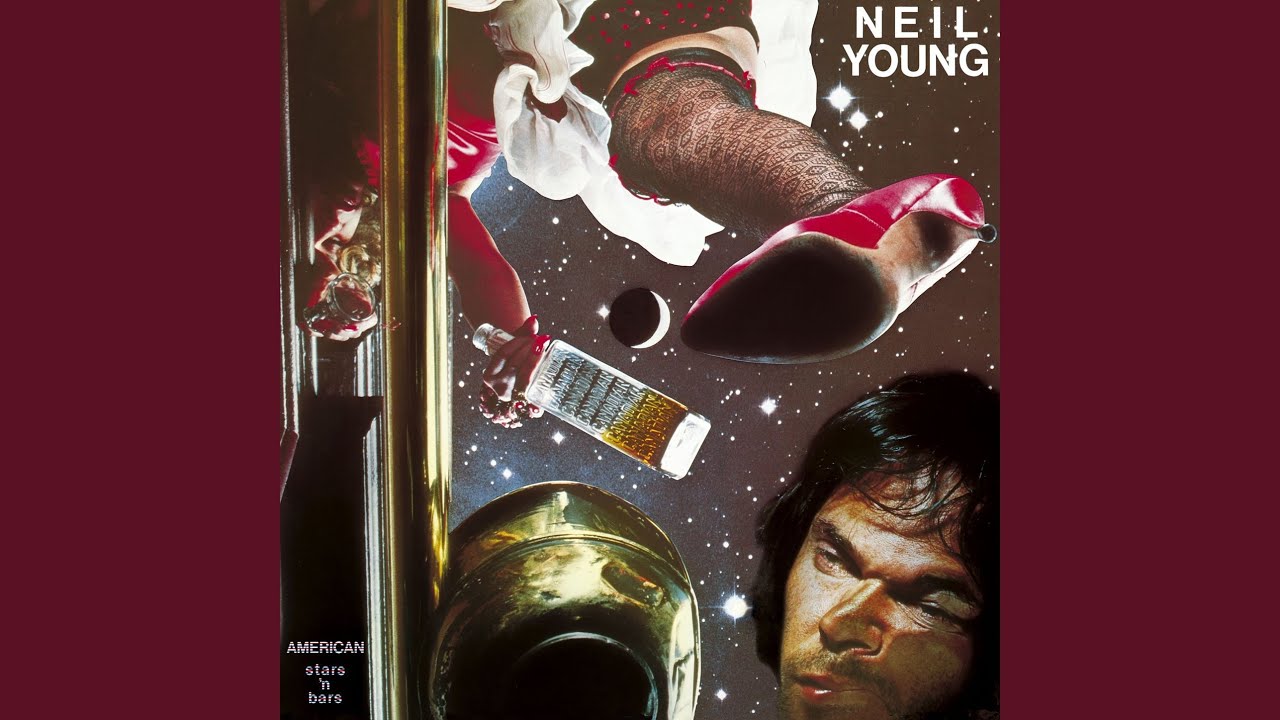
The song appeared on several bootlegs, and on Young's then-unreleased Chrome Dreams album, before finally cropping up on 1977’s American Stars ‘N Bars, his eighth album, which ranks alongside the Rolling Stones’ Tattoo You and The Who’s Odds And Sods as the best collection of scattered tracks to emerge in the era.
It quickly became a live favourite, and has since appeared on a host of compilations and in-concert collections, perhaps most notably on 1991's Weld, the album Young recorded with Crazy Horse on the road during the Gulf War.
"It's very brutal, especially the songs with the big endings," he told Rolling Stone. "I was trying to create the sound of violence and conflict, heavy machinery, outright destruction."
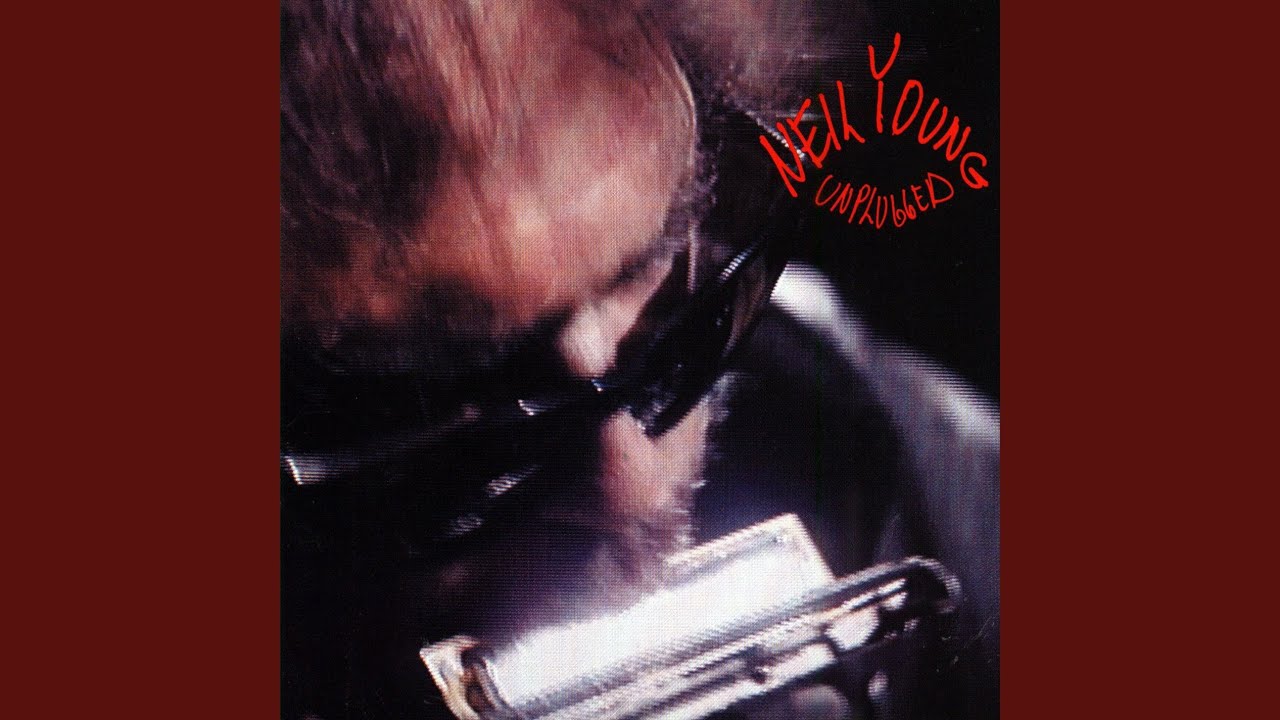
Weld's 14-minute version of Like A Hurricane did exactly that, but two years later, it appeared in a completely different form on the Unplugged album, when Young took the song back to its roots and played it almost entirely on the pump organ.
Covered by a bewildering array of artists in the years since – it may be the only song in history performed by both Roxy Music and Adam Sandler – Like A Hurricane remains one of Neil Young’s most durable creations.

