


Black Sabbath might've flirted with the Christian iconography that would become so synonymous with gothic metal, but heavy metal's architects can only claim the barest hint of parentage over metal's gothic off-shoot.
Arising from the 80s goth boom, originators like Sisters Of Mercy and Fields Of Nephilim were already bridging the gap when they began incorporating metal into their own gothic sound, while Celtic Frost gave the genre a hefty boost when they began adopting gothic sounds into their own dizzying grab-bag opus To Mega Therion. It was Yorkshiremen Paradise Lost who are widely credited with coining the term "gothic metal" - and over three decades on its stuck as a catch-all term for the symbiotic relationship between the genres explored by everyone from Type O Negative to HIM, Lacuna Coil to Evanescence.
That in mind, we dove deep into the darkness to pull out the 25 greatest goth metal albums ever released.

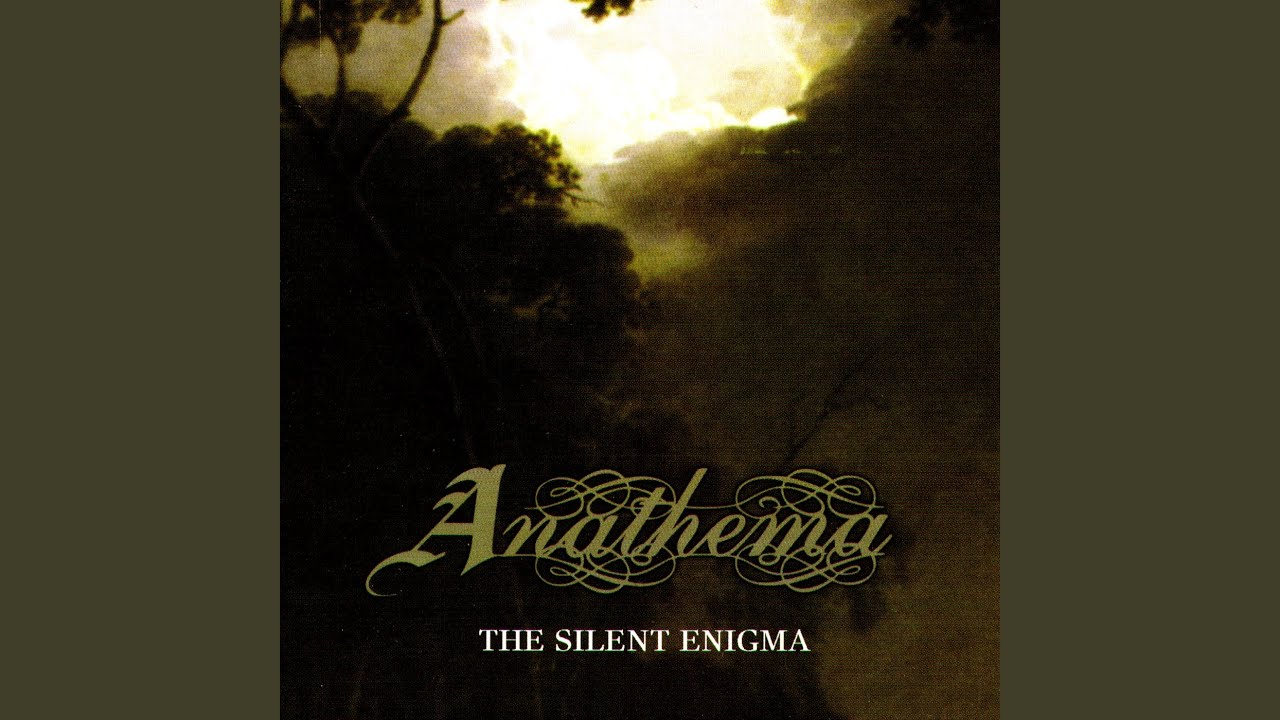
25. Anathema - The Silent Enigma (1995)
Anathema emerged from the gloomy mire that was the early 90s UK death/doom scene, but by the time of their second album they’d split from original growler Darren White and dispensed with many of their gnarlier edges.
The Silent Enigma still wore its love of bands such as Celtic Frost brazenly, but songs such Shroud Of Frost and Nocturnal Emission possessed a gothic grandeur. The cover – an image of the 1785 painting The Lady In Milton’s Comus by Joseph Wright Of Derby – captured its strange, crepuscular beauty. They never made anything else like it. DE
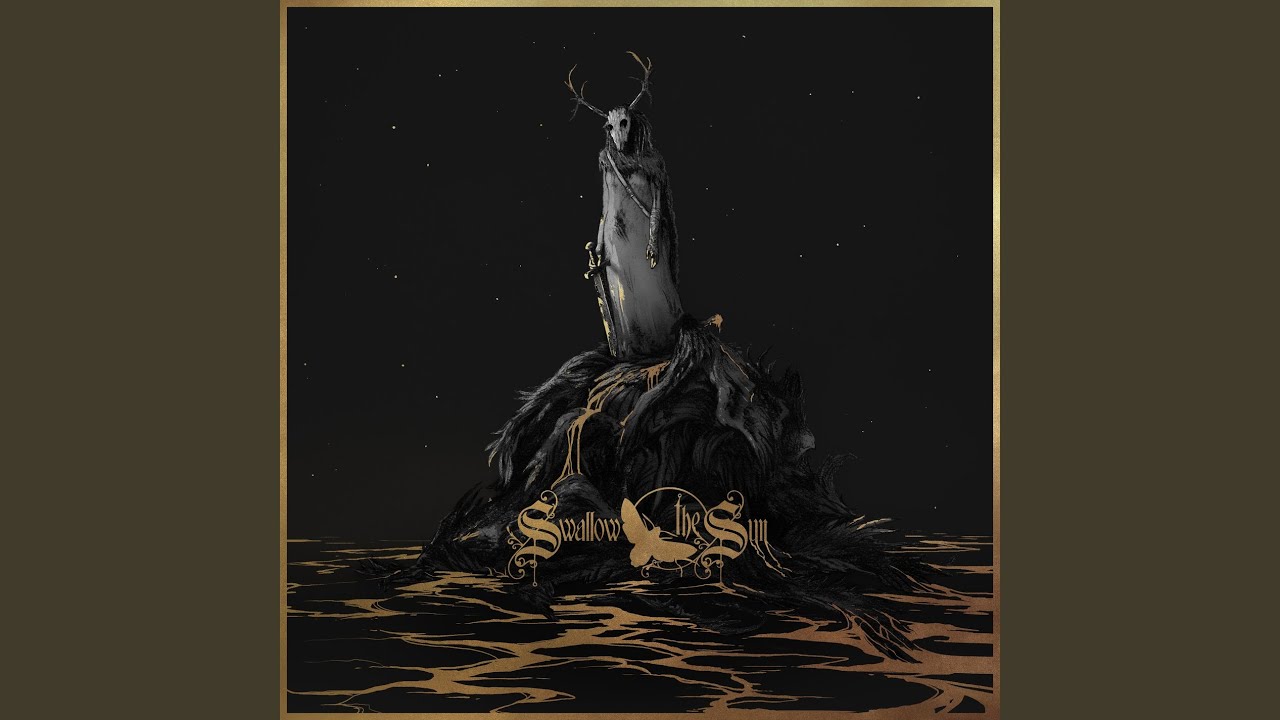
24. Swallow The Sun - When A Shadow Is Forced Into The Light (2019)
After six albums of crushing death/doom, Swallow The Sun made a shift towards softer realms with When A Shadow…, their first album since the passing of Aleah Stanbridge, the partner of frontman Juha Raivio.
Embracing the melancholy that propelled fellow Finns HIM and Sentenced to acclaim, it was a much more melodic affair, making great use of symphonic elements to highlight the powerful dynamics in their sound, while still injecting searing heaviness into songs like Upon The Water that showed they weren’t chucking the baby out with the bathwater. Their only album to top the Finnish charts, the gamble paid off. RH
23. Tiamat - Wildhoney (1994)
No one in gothic death/doom had yet given themselves over to reverential mystical atmosphere so wholly as Tiamat did on their 1994 magnum opus. With bandleader Johan Edlund letting his love of Pink Floyd and psychedelic prog take the reins, the once dark-hued riffs now took on the kaleidoscopic texture of a dream-born labyrinth.
It provided doom’s answer to the hazy gothic antiquity of the likes of Dead Can Dance, and encouraged the next wave to further think beyond the confines of traditional metal instrumentation. PH
22. The 69 Eyes - Devils (2004)
Having started life as a Hanoi Rocks knock-off putting out albums with titles like Bump’N’Grind, the self-professed Helsinki Vampires truly crossed over to the dark side with 1999’s Wasting The Dawn. However, it was on their seventh album that Jyrki 69 and co reached their dark apogee.
Feel Berlin and Lost Boys are what hair metal sounds like when it retreats to a dark attic and immerses itself in Baudelaire and The Sisters Of Mercy – big, dry ice-shrouded tunes powered by Jyrki 69’s theatrical croak. HIM stole much of their thunder, but The 69 Eyes remain quietly influential in their own right. DE
21. A.A. Williams - As The Moon Rests (2022)
With her 2020 debut album, Forever Blue, A.A. Williams had emerged as a fascinating new voice in metal, blending everything from blues, folk and doom to post-metal. For her 2022 follow-up, she doubled down on the darkness that had simmered below the surface.
Mournful strings and twinkling piano notes brought to mind the more gloomy elements of Siouxsie Sioux but with an undeniable metallic heft on tracks like For Nothing and Pristine, offering a fresh and vibrant take on gothic metal. RH
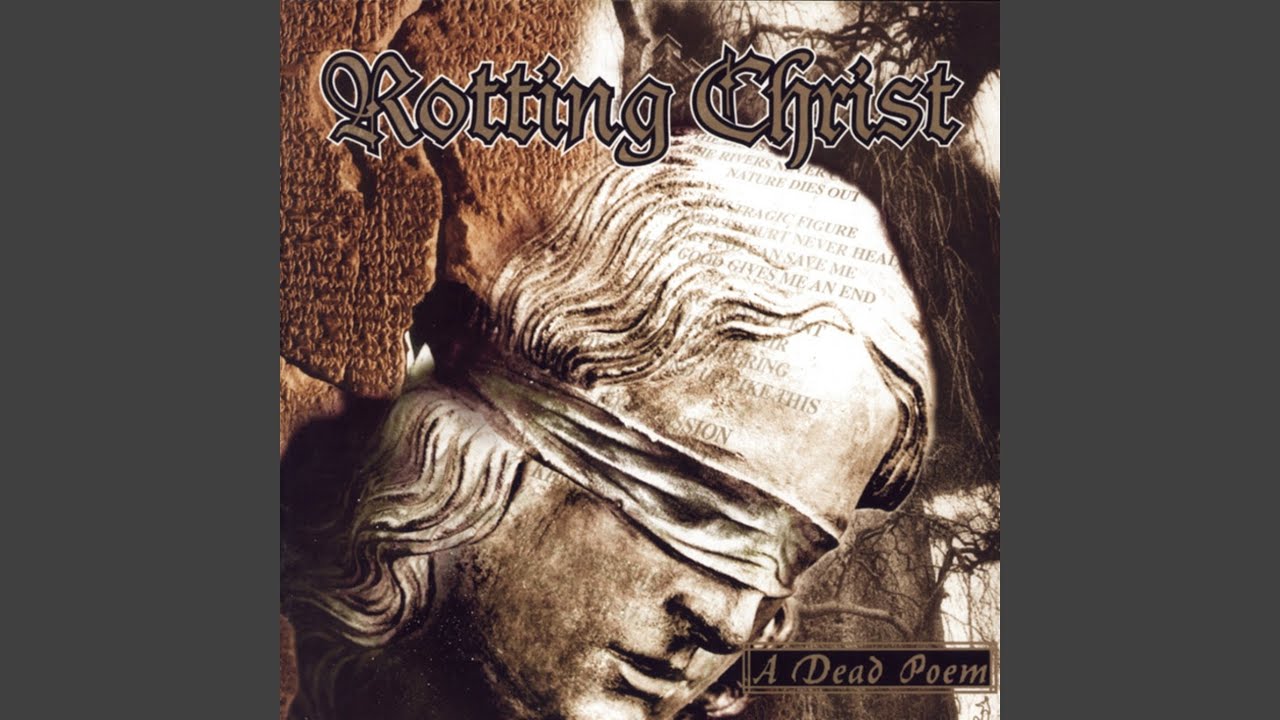
20. Rotting Christ - A Dead Poem (1997)
Many extreme metal bands were cleaning up and slowing down in the late 90s, but Greek black metal always skewed slower and more melodic than average.
When that genre’s most blasphemous ambassadors boldly reset their musical priorities and embraced the gothic, they showed the whole scene how natural but sophisticated the combination could sound. By now the band’s name felt like an incongruous throwback, belying a record exploring new vistas of beautiful musicality with unprecedented good taste and emotional depth. CC
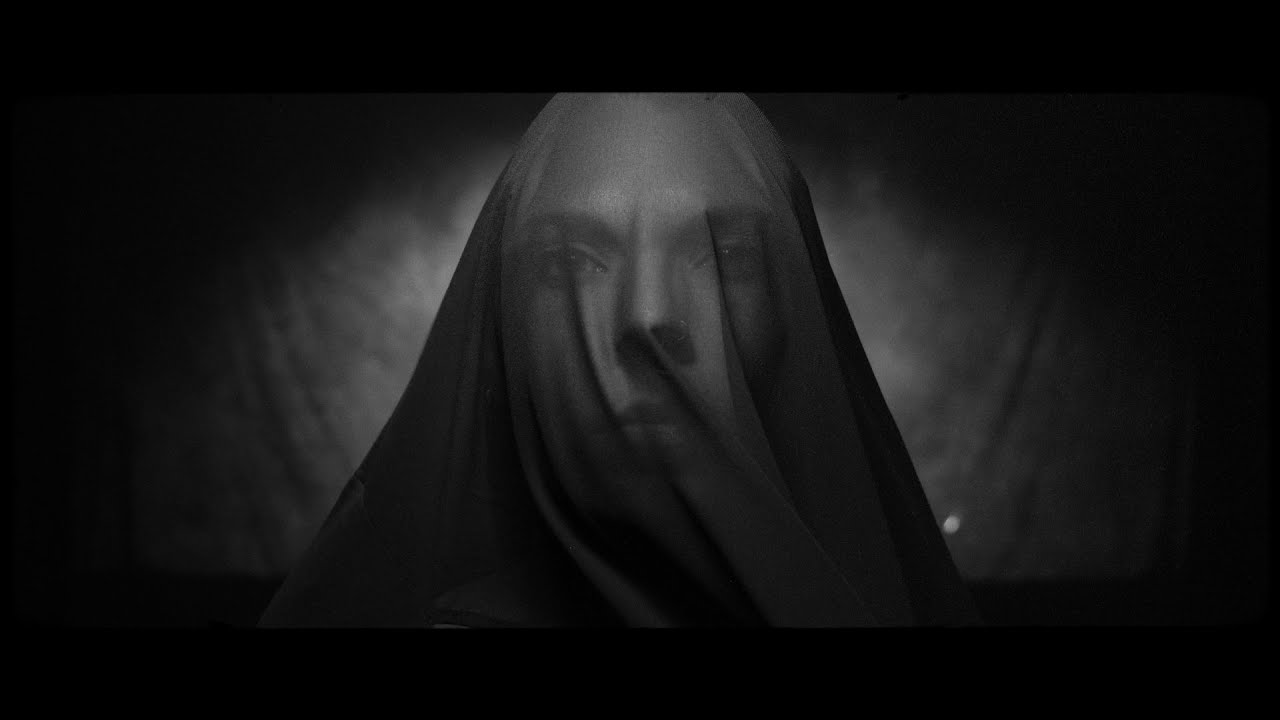
19. Dool - The Shape Of Fluidity (2024)
On The Shape Of Fluidity, occult rock alumni explored key themes of identity and survival, proving that goth metal could go beyond embracing the inner darkness to embrace the inner everything.
Dool grew from the ashes of luminaries The Devil’s Blood and still have that dark sheen, but here it was layered over progressive musical tendencies and a deeply personal meditation on self and individuality informed by vocalist Raven van Dorst’s journey as an intersex person. PT
![Dool - Venus in Flames [Official Music Video] - YouTube](https://img.youtube.com/vi/ybL_zAmMad0/maxresdefault.jpg)
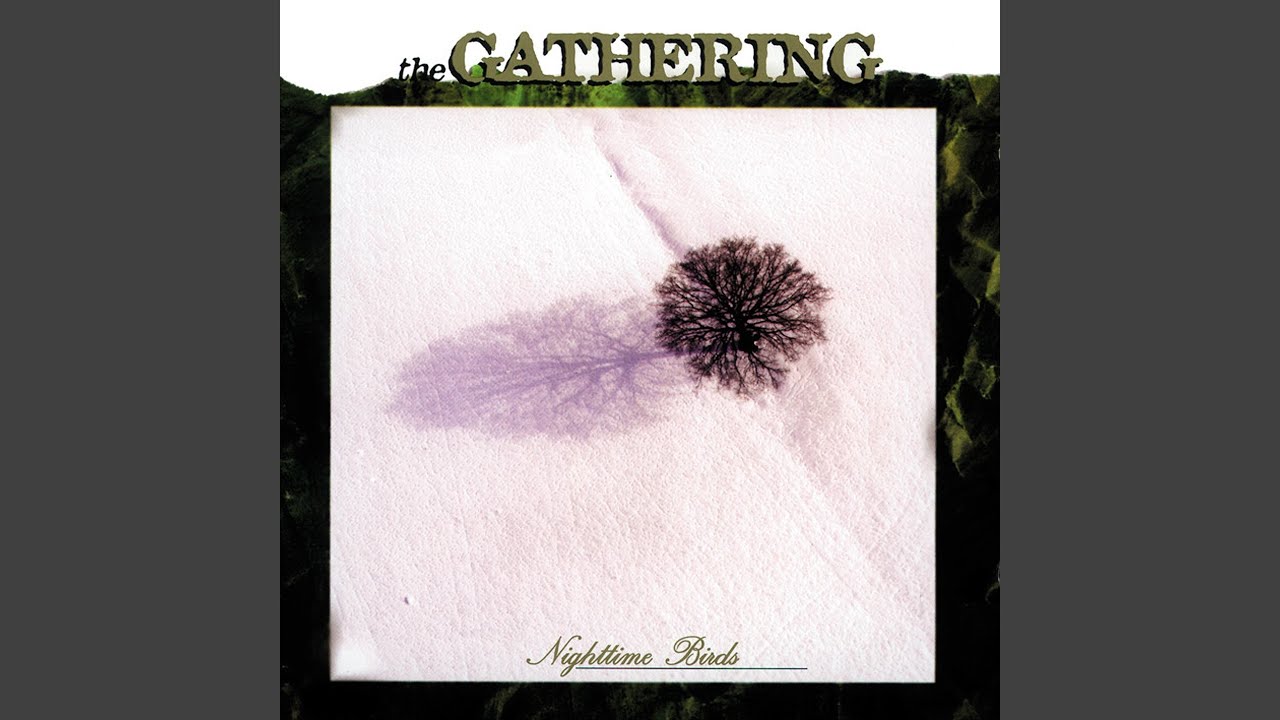
18. The Gathering - Nighttime Birds (1997)
1995’s radiant Mandylion introduced The Gathering’s game-changing vocalist Anneke van Giersbergen, but this follow-up dropped the tempo and temperature to perfect a chilly gothic elegance, giving her voice more space to expand and shine.
The band’s experimental impulses ensured song styles varied admirably, but the sextet remained focused on captivatingly conveying a dreamy, wistful nocturnal melancholy throughout. The Gathering blazed a trail for the success of Lacuna Coil, Within Temptation and Evanescence, and Nighttime Birds is their beautiful gothic motherlode. CC
17. My Dying Bride - The Angel And The Dark River (1995)
Like onetime Peaceville labelmates Paradise Lost and Anathema, My Dying Bride had abandoned death-doom by 1995, but The Angel And The Dark River made no bid for mass appeal. The Cry Of Mankind was an immersion in misery, repeating the same guitar and violin notes for 12 hypnotic minutes.
Still, the album was the band’s first to chart, and it won them some prestigious festival slots. Steve Harris was so impressed that he personally invited MDB to support Iron Maiden across Europe. MM
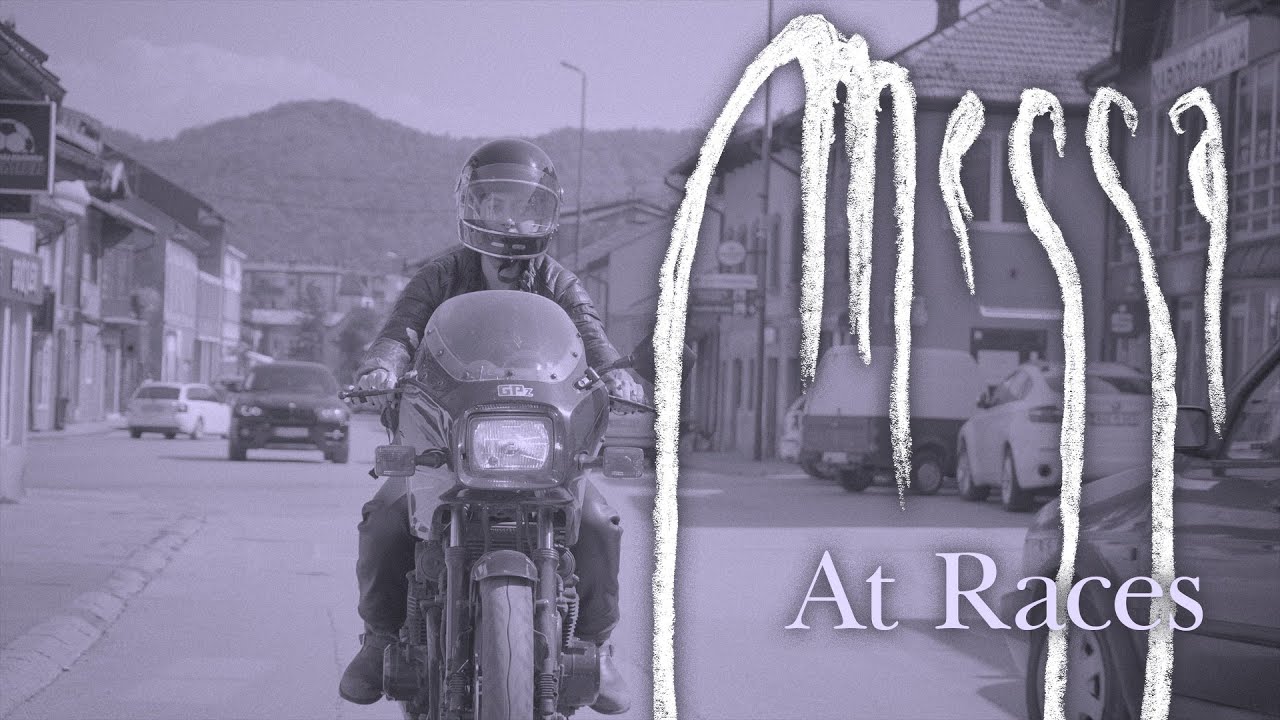
16. Messa - The Spin (2025)
Once dealers in slow-marching funeral doom, Messa both tightened things up and threw convention out the window for The Spin.
Their embrace of 80s goth melody made such songs as At Races and Fire On The Roof instant career highlights, whereas The Dress and Thicker Blood offered fresh takes on the atmospherics of old with their jazz and prog sections. After the release, the band supported Paradise Lost and reached No.5 on Hammer’s Albums Of The Year list, making them obvious ones to watch. MM
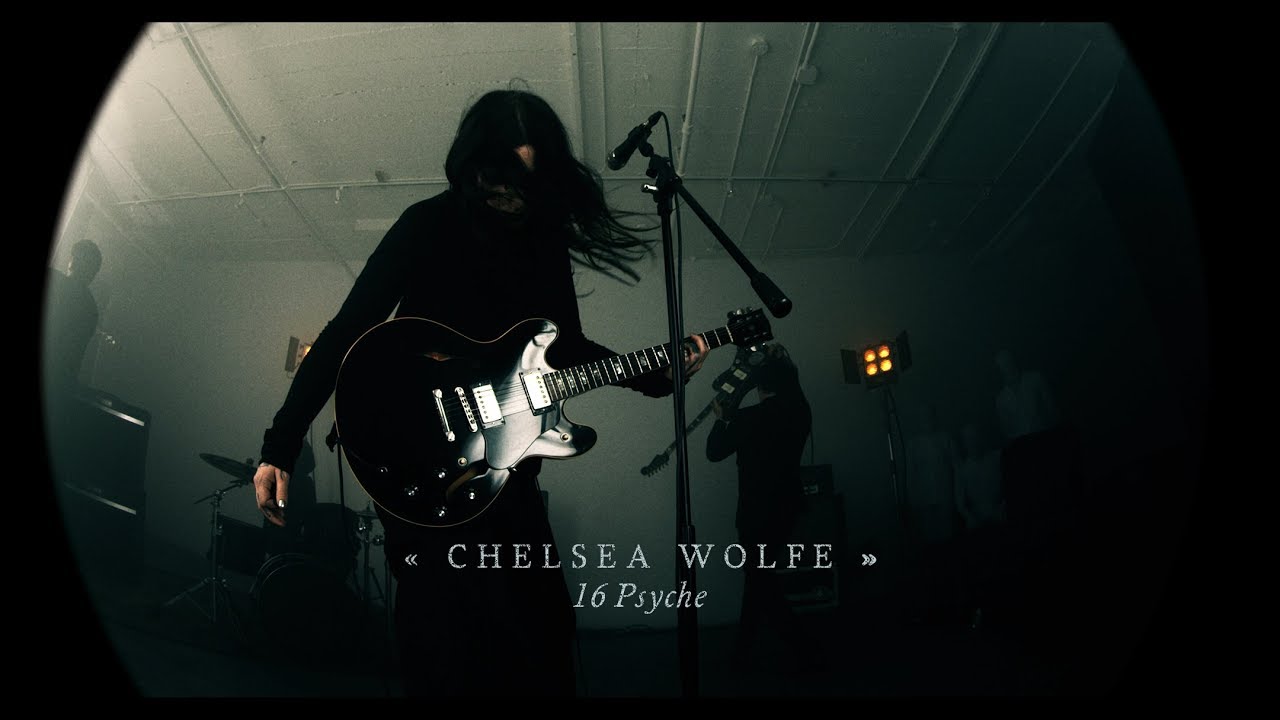
15. Chelsea Wolfe - Hiss Spun (2015)
The gothic influence had been obvious on Chelsea Wolfe’s early albums The Grime And The Glow and Pain Is Beauty, but on her fifth album it was like she’d taken the desolate darkness of Bauhaus classic Bela Lugosi’s Dead and drowned it beneath a sea of fuzz. Blurring the lines between early goth and doom, she redrew the blueprint of gothic metal for a new generation of doom and goth adjacent artists. RH
14. Idle Hands (Unto Others) - Mana (2019)
Loaded with charisma, poise, sensitivity and infectious hooks, this Portland, Oregon foursome (originally known as Idle Hands, now Unto Others) arrived fully formed with their own sound, where Gabriel Franco’s angular, jangly guitar and emotive baritone croon entwine with twin-lead licks and powerful rhythms.
Unlike most earlier exemplars of gothic metal, they’re not simply a metal band with goth influences (or vice versa). From even before this debut LP they’ve been exactly both, a seamless union with both sets of parental chromosomes balanced in perfect harmony. CC
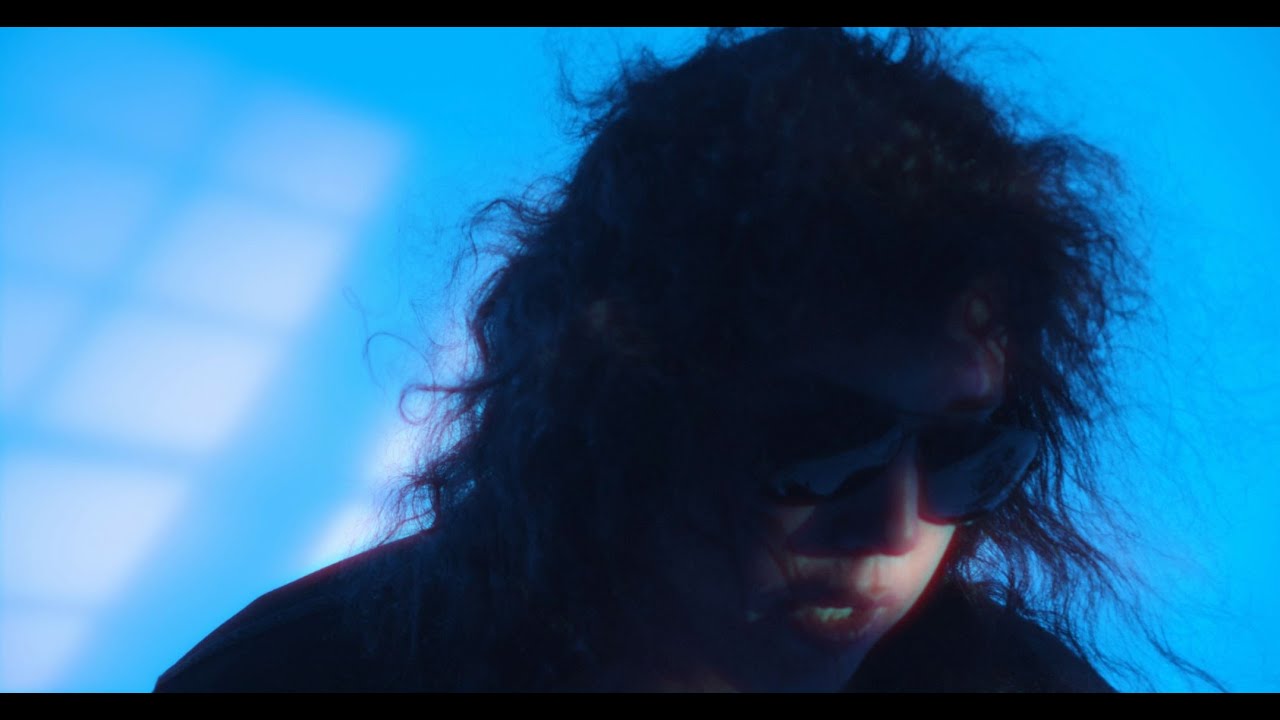
13. Katatonia - Dead End Kings (2012)
This was and remains the most even mix of everything that makes Katatonia the band they are. After touring with Opeth, the five-piece turned their prog undertones into overtones, without detracting from their signature gloom.
The Parting saw Jonas Renkse sing about the struggles of refugees over dramatic strings; Lethean was a dark, driving anthem with off-kilter drums; and Dead Letters contrasted climactic riffing with ominous arpeggios. The band continue to be excellent, but they haven’t captured lightning in a bottle like this since. MM
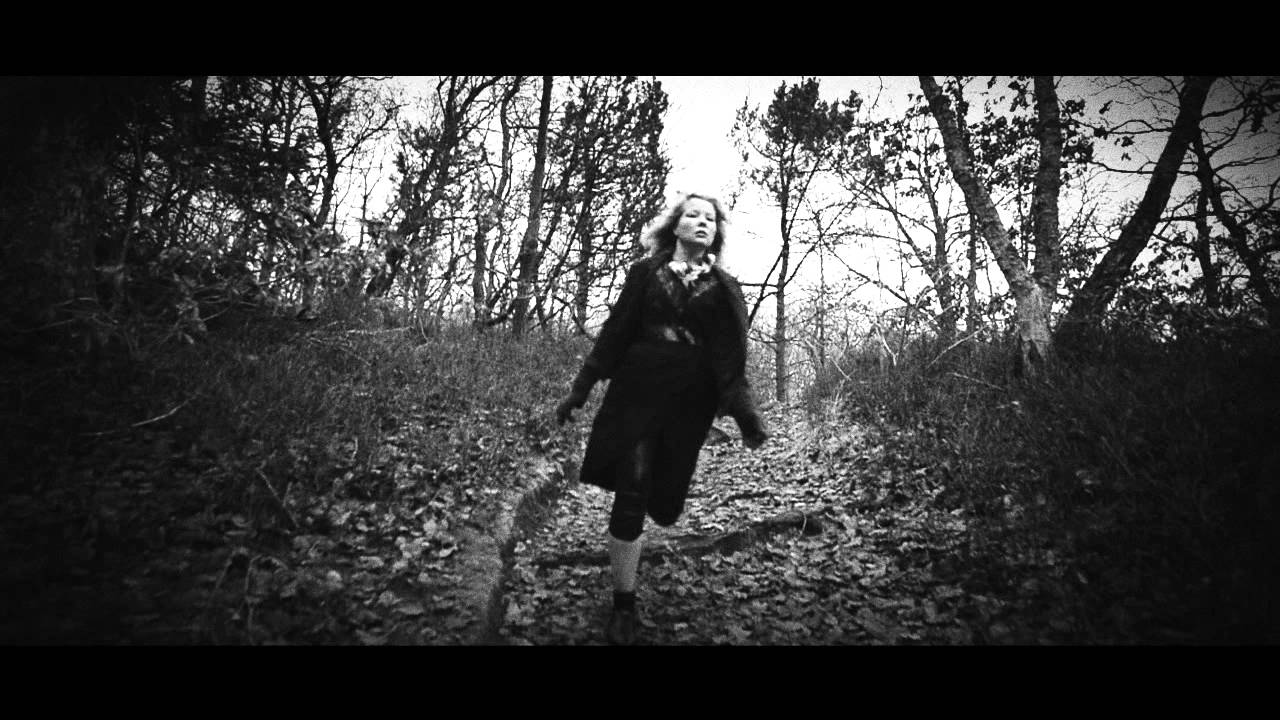
12. Beastmilk - Climax (2013)
Founded by ex-pat Brit and sometime Hexvessel mainman Mat McNerney, Finnish foursome Beastmilk did more than anyone to shine a black light on goth metal in the 2010s. Climax was a rush of chiming guitar, nocturnal melodies and Mat’s tombstone croon.
Crucially, it showed a working understanding of goth’s original first wave, placing as much emphasis on actual songs as atmosphere, though its sharp modern edges ensured that it was more than just an exercise in sonic grave-robbing. After half the band quit, Mat retooled Beastmilk as Grave Pleasures, but things were never quite the same. DE
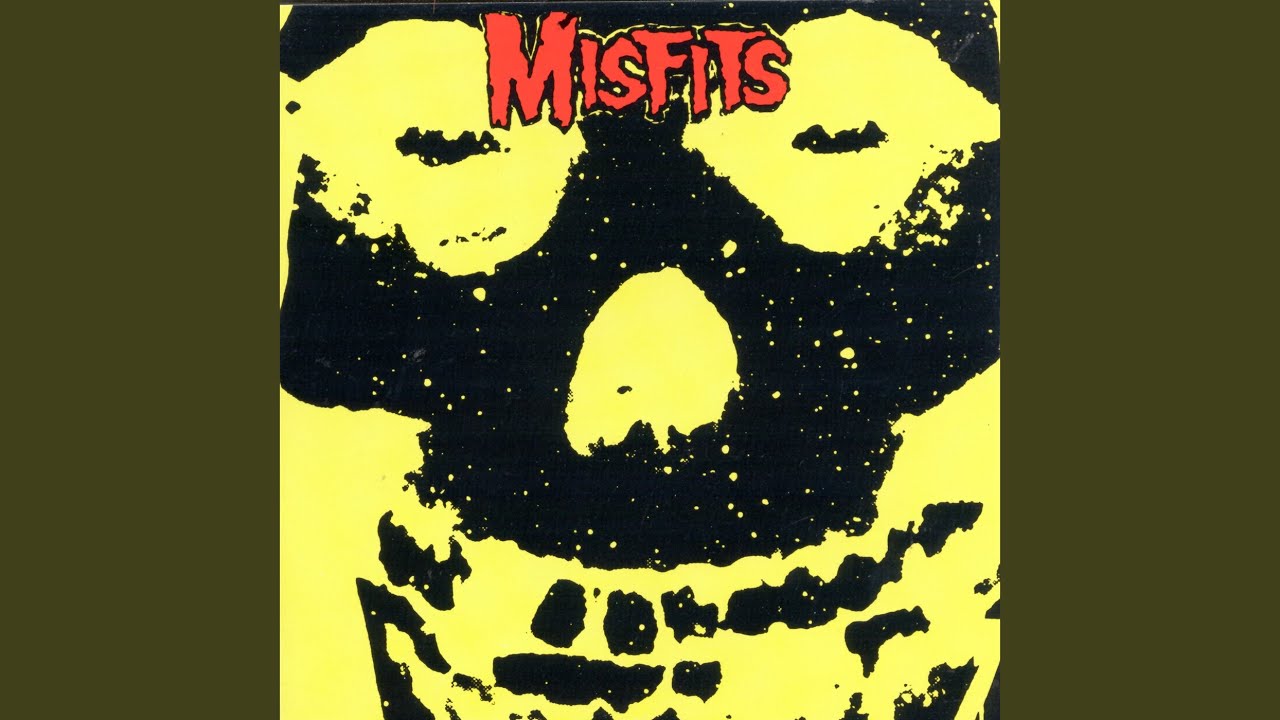
11. Misfits - Earth A.D./Wolfs Blood (1983)
The Damned might have got the ball rolling on gothic punk, but Misfits hit the scene like a lightning bolt into Frankenstein’s Monster. Like the Addams family given a macabre makeover, they took the proto-thrash force of hardcore and double-dipped it in black matte paint and kitschy horror movie visuals.
From the menacing first notes of Earth A.D. to the wailing gang vocals of Death Comes Ripping, this album is ground zero for goth/metal/hardcore crossover, influencing everyone from Metallica and Type O Negative to AFI and Creeper along the way. RH
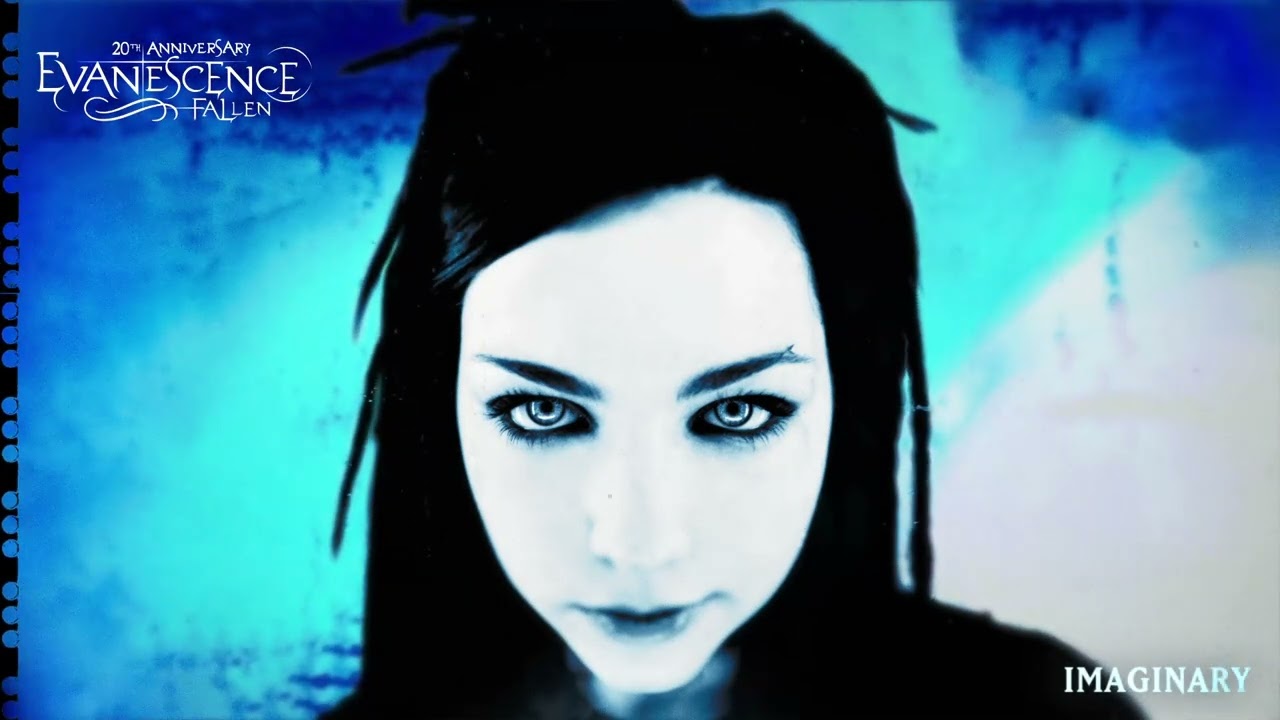
10. Evanescence - Fallen (2003)
Evanescence arrived towards the tail end of nu metal – their sound certainly featured some of those characteristics – but the impact of their diamond-selling debut on moulding 00s goths was galactic.
Behind blockbusters like Bring Me To Life was a fondness for greater yearning melancholy and spectral eeriness, with tracks such as Hello, Tourniquet and Haunted coated in grief, thanatos and religious drama, forging the 21st century’s biggest goth phenomenon. PH
9. Creeper - Sangivore (2023)
Like their heroes AFI, Creeper’s goth streak was always close to the surface, but it took until their third full-length for it to burst out of its coffin into the nighttime.
Sanguivore was a delirious fever dream of a record, pitched musically between Meat Loaf and The Sisters Of Mercy, its gloriously over-the-top musical ambitions dovetailing perfectly with a teenage-vampire storyline that drew conceptually on such VHS-era fangbangers as The Lost Boys and Near Dark, as well as the doomed romance of Anne Rice’s Vampire Chronicles novels. The result was preposterous and brilliant in equal measure – certainly something to sink your teeth into. DE

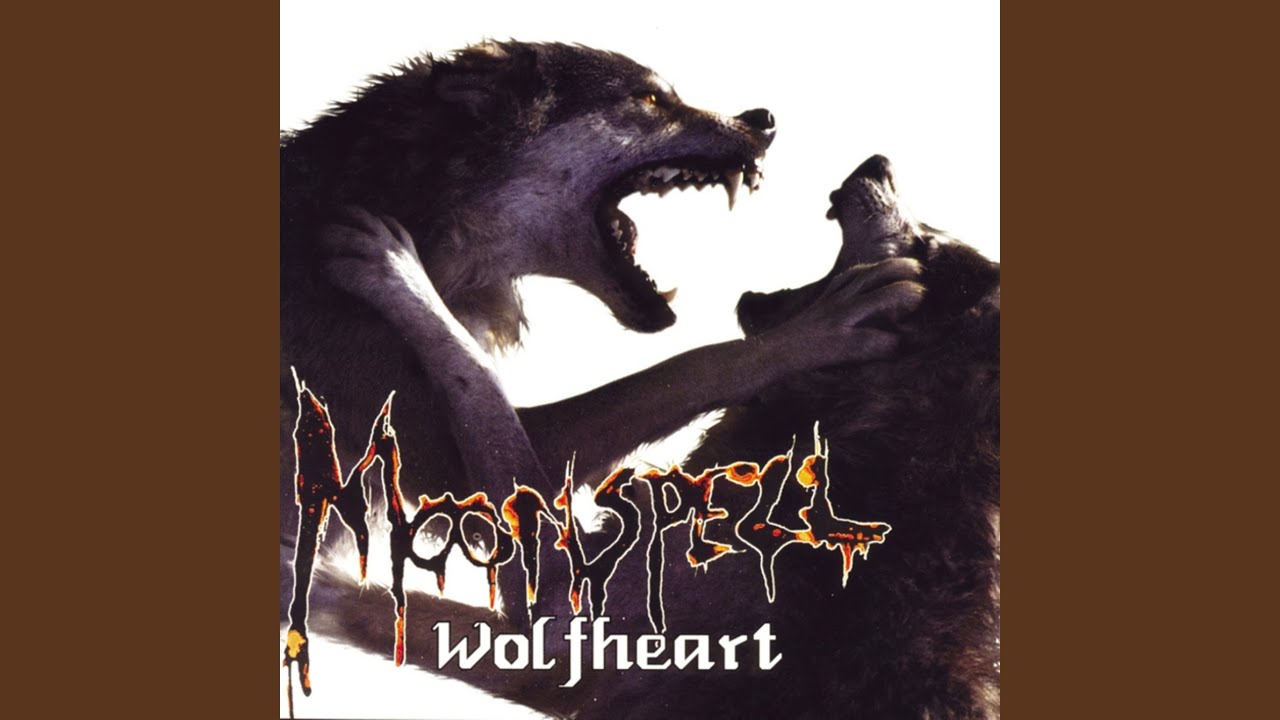
8. Moonspell - Wolfheart (1995)
On their debut album, Moonspell trod the line between parody and genius. Frontman Fernando Ribeiro went by the name of Langsuyar - a type of Malaysian revenant - and his vocals veered between blackened growls and a theatrically hammy vampiric croon. There was an element of campy Hammer horror fun certainly, but the synth-soaked mix of extreme metal, goth and Portuguese folk was a delicious and unique flavour. PT
7. Woods Of Ypres - Woods 5: Grey Skies & Electric Light (2012)
Probably one of the catchiest albums to ever earn status as an emotional wrecking ball, the Ontarians’ wintery final release harnessed nonstop baritone goth metal vocal hooks into art all-consumingly preoccupied with mortality and how to say goodbye.
Both the songcraft and sheer level of cosmic finality are astonishing to begin with, but frontman David Gold’s death in a car accident aged just 31 two months before its release irrevocably altered its legacy – it now stands as a magnetic monument to a musician who was taken far too soon. PH
6. Lacuna Coil - Comalies (2002)
Some gothic music is suited to small subterranean bat caves but Lacuna Coil always sounded more suited to the bigger stage. Comalies put them there, thanks in large part to the huge single Heaven’s A Lie and a scene-stealing stint on 2004’s Ozzfest.
Slick, sexy and anthemic, they dragged European goth metal out of the shadows and into the mainstream spotlight. PT
5. Tribulation - The Children Of The Night (2015)
As the organs introducing Tribulation’s third album gave way to vocalist Johannes Andersson’s guttural proclamation ‘Beckoning, the children of the night…’, it was sealed that this would be the album worthy of Bela Lugosi’s most famous line.
Already one of the underground’s strangest death metal bands, here their disparate pieces truly came together in a visionary whole, with inspiration from silent cinema and Italian giallo soundtracks. While the dazzling guitar leads harkened back to the classic metal of Mercyful Fate and Iron Maiden, the band strutted like The Sisters Of Mercy fronted by a mummified revenant, all seeming to echo up from some subterranean underworld concert, marking the most original gothic metal fusion since its initial 90s boom. PH
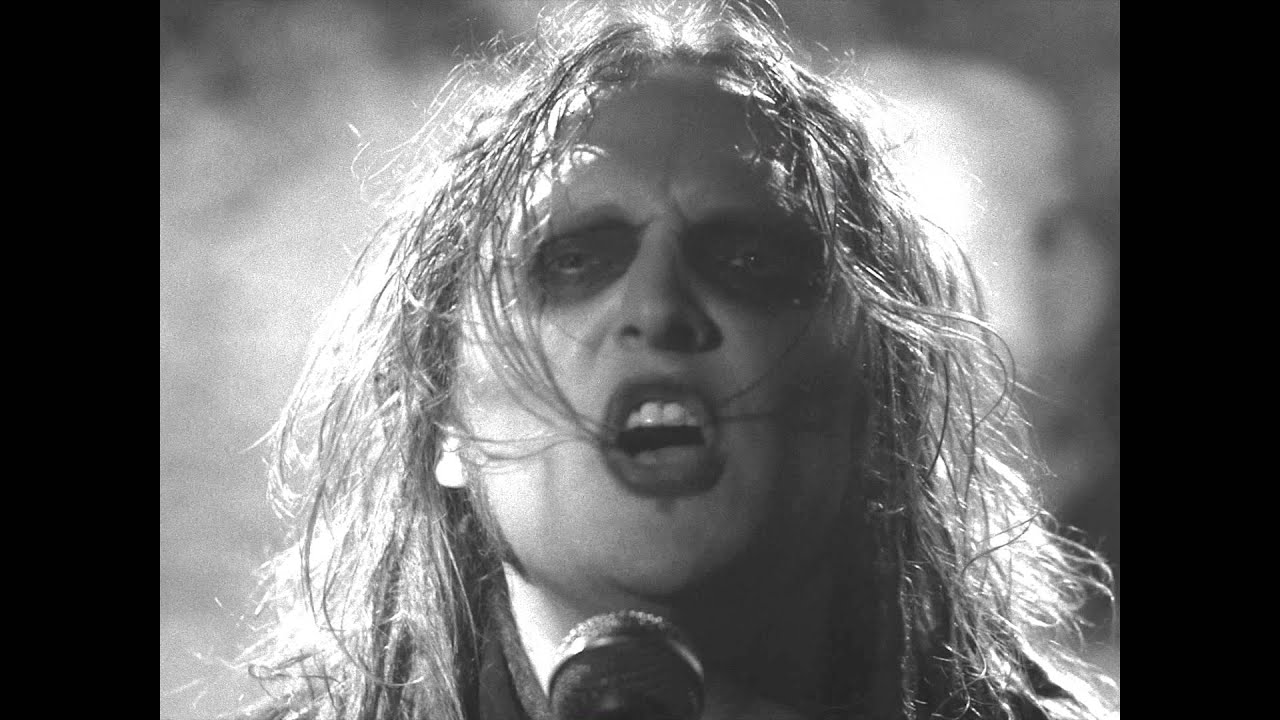
4. Cradle Of Filth - Nymphetamine (2004)
Cradle Of Filth had been flirting with Byronic themes and macabre aesthetics since their 1994 debut. By their sixth album, they’d perfected their blend of visceral black metal and goth, explosive riffs giving way to dark, symphonic passages that felt like they’d been born in a Baron’s chamber.
The centrepiece of the album was the title track, then-Leaves’ Eyes vocalist Liv Kristine trading vocals with Dani Filth atop a song that somehow blended lust and melancholy. The album actually featured two versions of the song – Nymphetamine (Overdose) was a nine-minute epic, while the shorter Nymphetamine (Fix) was released as a single and became an instantly iconic hit, ensuring the band crossed into pop culture. It earned them a Grammy nod and even a shoutout on sitcom The IT Crowd. RH
![Cradle Of Filth - Nymphetamine Fix [OFFICIAL VIDEO] - YouTube](https://img.youtube.com/vi/6dW6aNAZGTM/maxresdefault.jpg)
3. Paradise Lost - Gothic (1991)
Paradise Lost’s grimy debut was barely a year old when they unveiled this extraordinary follow-up, an artful metamorphosis heralded by the front cover’s enigmatic bronze-black blur. Nick Holmes’s commanding roar and cryptic lyrics maintained a death metal framework, but Gregor Mackintosh’s achingly forlorn guitar melodies, compulsive structures and weird, wayward solos took the record - and the scene - somewhere totally new.
The symphonic bombast and angelic female vocals originated from Celtic Frost, but these five Yorkshiremen breathed such life into the atmospheric tropes that they swiftly became industry standards. The Sisters Of Mercy influences opened new angles to Paradise Lost’s solemn, sinister death-doom, resulting in an album of seismic importance for gothic metal. Cl

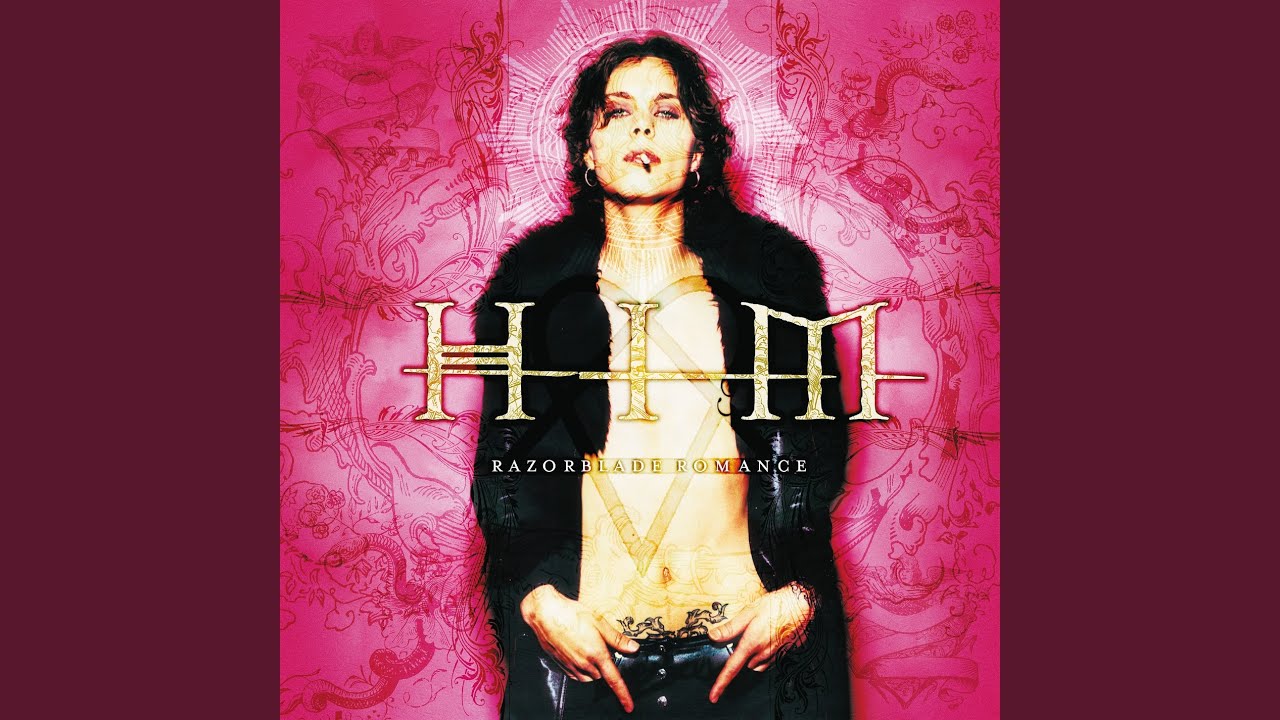
2. HIM - Razorblade Romance (2000)
The lead-up to HIM’s second full-length was plagued by line-up changes and disastrous demo sessions, but what they made on the hallowed grounds of Rockfield Studios cemented their stardom. Razorblade Romance was more polished than the Finns’ debut, with Join Me In Death and Poison Girl sounding as catchy yet lovelorn as anything by Ville Valo’s heroes Depeche Mode.
Meanwhile, Right Here In My Arms and Razorblade Kiss imbued that bittersweetness with the energy of heavy fucking metal. The album appealed to mainstream ears and broken-hearted goths alike, topping the Finnish, German and Austrian charts before going two-times platinum in the band’s home country. A watershed moment and arguably their best-ever release. MM
1. Type O Ngeative - October Rust (1996)
As far back as his 80s hardcore/crossover band Carnivore, Peter Steele had flirted with goth, as on the surprisingly melodic breakouts in God Is Dead. But when that band dissolved at the start of the 90s and he found himself fronting a new group - eventually dubbed Type O Negative - his next group openly embraced the crepuscular appeal of darkness.
Type O Negative's debut - and its "sequel", effectively a remixed pseudo-"live" record - was effectively a doomier take on the provocative hardcore of Carnivore. But with 1993's Bloody Kisses, the band switched bitter recriminations and violent retribution for heartbreak into something aching and more tragic. It was the first album under Roadrunner Records to go platinum and 1996 follow-up October Rust cemented Type O Negative as the kings of gothic metal.
With lusty songs like My Girlfriend's Girlfriend and Wolf Moon - an ode to giving oral pleasure during a woman's monthlies - the band blended sensuality sexuality and humour seamlessly, while the likes of Red Water (Christmas Mourning), Die With Me and Love You To Death maintained their characteristic dour miserablism. It was a watershed moment for the band, and helped inspire everyone from HIM to Paradise Lost, Oceans Of Slumber, Trivium and beyond. RH
![Type O Negative - Love You To Death [OFFICIAL VIDEO] - YouTube](https://img.youtube.com/vi/xD5No_JRrZw/maxresdefault.jpg)

