
“He went from piano ballads to freak-out prog in three years. Amazing… You want him to be difficult and hard to understand”: Justin Hawkins on Todd Rundgren
The Darkness lead singer and guitarist chose his prog hero for being radical, eclectic and liking pyramids
Select the newsletters you’d like to receive. Then, add your email to sign up.
You are now subscribed
Your newsletter sign-up was successful
Want to add more newsletters?
Every Friday
Louder
Louder’s weekly newsletter is jam-packed with the team’s personal highlights from the last seven days, including features, breaking news, reviews and tons of juicy exclusives from the world of alternative music.
Every Friday
Classic Rock
The Classic Rock newsletter is an essential read for the discerning rock fan. Every week we bring you the news, reviews and the very best features and interviews from our extensive archive. Written by rock fans for rock fans.
Every Friday
Metal Hammer
For the last four decades Metal Hammer has been the world’s greatest metal magazine. Created by metalheads for metalheads, ‘Hammer takes you behind the scenes, closer to the action, and nearer to the bands that you love the most.
Every Friday
Prog
The Prog newsletter brings you the very best of Prog Magazine and our website, every Friday. We'll deliver you the very latest news from the Prog universe, informative features and archive material from Prog’s impressive vault.
In 2012 – a year after rejoining The Darkness and putting his interim band Hot Leg on hiatus – Justin Hawkins told Prog how he discovered Todd Rundgren and why the multi-talented American was his prog hero.
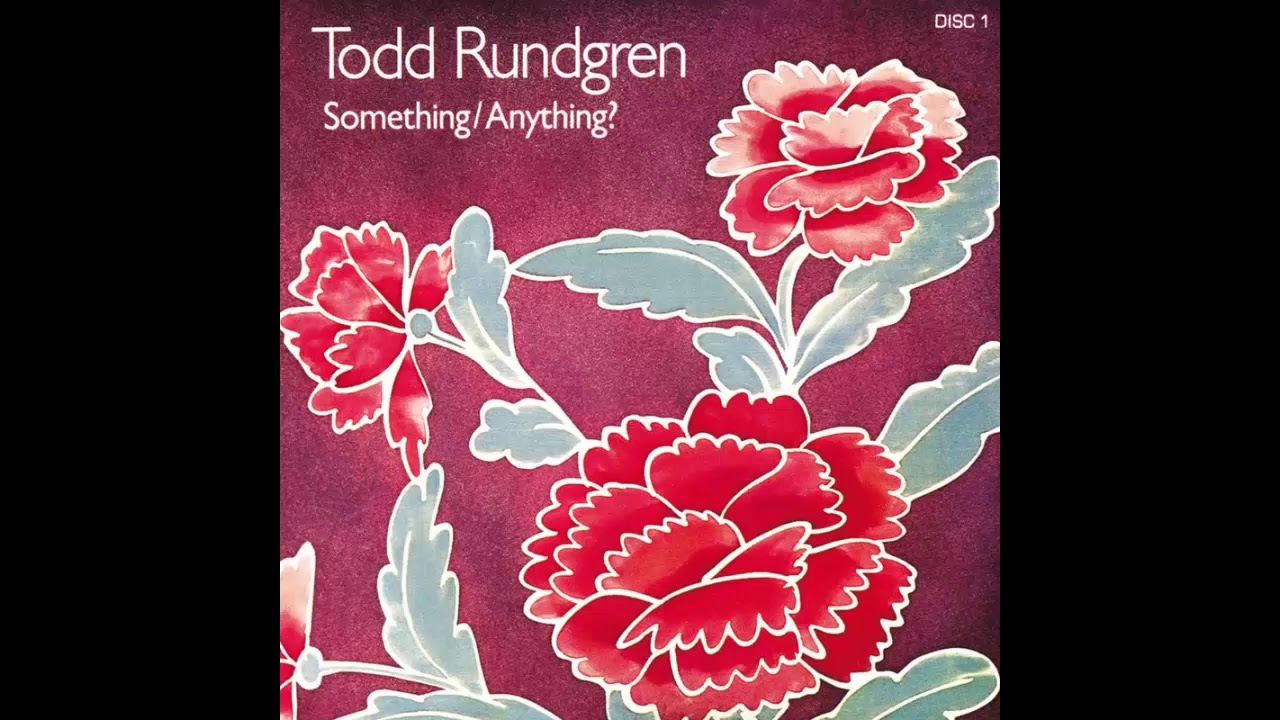
“The first record I bought of his was his 1972 double album Something/Anything?, which Axl Rose once said was his favourite album of all time. I used to cover one of the songs on side four – Dust In The Wind – when I was in Hot Leg. It sounds as though a lot of studio trickery was used on the first three sides to achieve the sound of several people when it was actually just him, and the last side featured Todd and a band. I like the way that on the track Wolfman Jack he speeds his voice up to sound like female backing singers.
“I’ve bought everything I can find on him since, I’ve even started buying his DVDs, especially of Utopia because I was told pyramids were involved [circa 1977’s Ra] and they might provide The Darkness with some ideas.
“You’ve also got to respect the way he followed the gold-selling Something/Anything? with an hour-long record of stream-of-consciousness tunes and sounds. He’s the kind of artist who will make those sorts of radical departures. He went from piano ballads to freak-out prog in three years. Amazing.
“He’s huge in America – it’s hard to go a day on public transport there without hearing loads of his songs. He’s really influential as well, without people realising.
“Not many artists are as wildly eclectic as Todd. Is he prog? If prog means abandoning convention, being challenging and deliberately difficult, then yes, he is. He’s also one of my guitar heroes. And a synth pioneer.
“I’ve never met him, but I know people who have. I won’t say who because then you’ll ask what he was like! But then, you want him to be arsey, difficult and hard to understand. Nothing important was ever achieved by being nice. You want Todd to have optimum ego power. He’s got mystique, he’s misunderstood – he’s definitely a hero.”
Sign up below to get the latest from Prog, plus exclusive special offers, direct to your inbox!
Paul Lester is the editor of Record Collector. He began freelancing for Melody Maker in the late 80s, and was later made Features Editor. He was a member of the team that launched Uncut Magazine, where he became Deputy Editor. In 2006 he went freelance again and has written for The Guardian, The Times, the Sunday Times, the Telegraph, Classic Rock, Q and the Jewish Chronicle. He has also written books on Oasis, Blur, Pulp, Bjork, The Verve, Gang Of Four, Wire, Lady Gaga, Robbie Williams, the Spice Girls, and Pink.