


At the dawn of the 80s, Yes were the very last band anyone expected to storm the US singles chart. Since they started out in 1968, the British proggers had traded in sprawling, concept-driven works that chalked up big album sales but didn’t get a sniff of drive-time radio.
Back then, with the prog scene on the ropes – its grandiosity pricked by punk’s safety pin – it seemed Yes’s time had come and gone.
Sure enough, by April 1981 Yes was apparently over, the members scattering to projects including Asia and XYZ. But the coffin didn’t stay shut for long.
The following year, bassist Chris Squire, drummer Alan White and keyboard player Tony Kaye joined with South African guitarist Trevor Rabin as Cinema. And when original singer Jon Anderson later came on board to add vocals to 1983’s 90125 album, all involved had to concede that this was a de-facto Yes reunion.

“Yes is in my DNA,” Anderson says of his readiness to join the line-up. “I was excited to work with this new-sounding band.”
Producer Trevor Horn was less convinced. He says he was roundly criticised for agreeing to work with Yes – his wife dismissing the band as “old farts” and “finished”. And when he visited Rabin’s home to hear a batch of demos, he thought they were “a bit of a drag”.
According to Horn, the turning point came when Rabin went to the toilet, leaving the tape running, and a prototype version of Owner Of A Lonely Heart started playing.
“As he came out, I said to him: ‘That’s a hit chorus,’” Horn recalled. “He said: ‘No, no, this is not for Yes. I wrote it for someone else.’ But I said: ‘Yes could do this song’.”
Even as the 90125 sessions neared completion in 1983, Lonely Heart remained on the shelf. Horn claimed he had to drop to his knees and beg the band to record it.

Further ructions came when Horn pushed for a programmed sound and a drum tone inspired by Stewart Copeland’s tight snare drum on The Police’s Synchronicity.
He said: ‘No, this is not for Yes. I wrote it for someone else.’ But I said: ‘Yes could do this song.’
Trevor Horn
Apparently Alan White was incensed. Horn recalled overhearing the band’s sceptical roadies in the reception of Sarm East Studios, comparing the drum sound to “fucking pee on a barrel”.
“I’m never quite sure that what Trevor Horn says is really true,” Anderson says of the producer’s account. “He’s a very talented guy, but, like a lot of people, you’re not quite sure what they mean by what they say.”
The writer credit for Owner Of A Lonely Heart has likewise been contested through the years, Rabin arguing that the four-way split between himself, Anderson, Squire and Horn is not representative of the fact that the song already had its defining features when he presented it.
The consensus is that the chorus was fully formed on Rabin’s initial tape, and the dramatic synth stabs that decorate the verses were already present (albeit more low-key).
“I remember hearing Trevor’s original demo,” confirms Anderson, “which wasn’t far from the finished product.”
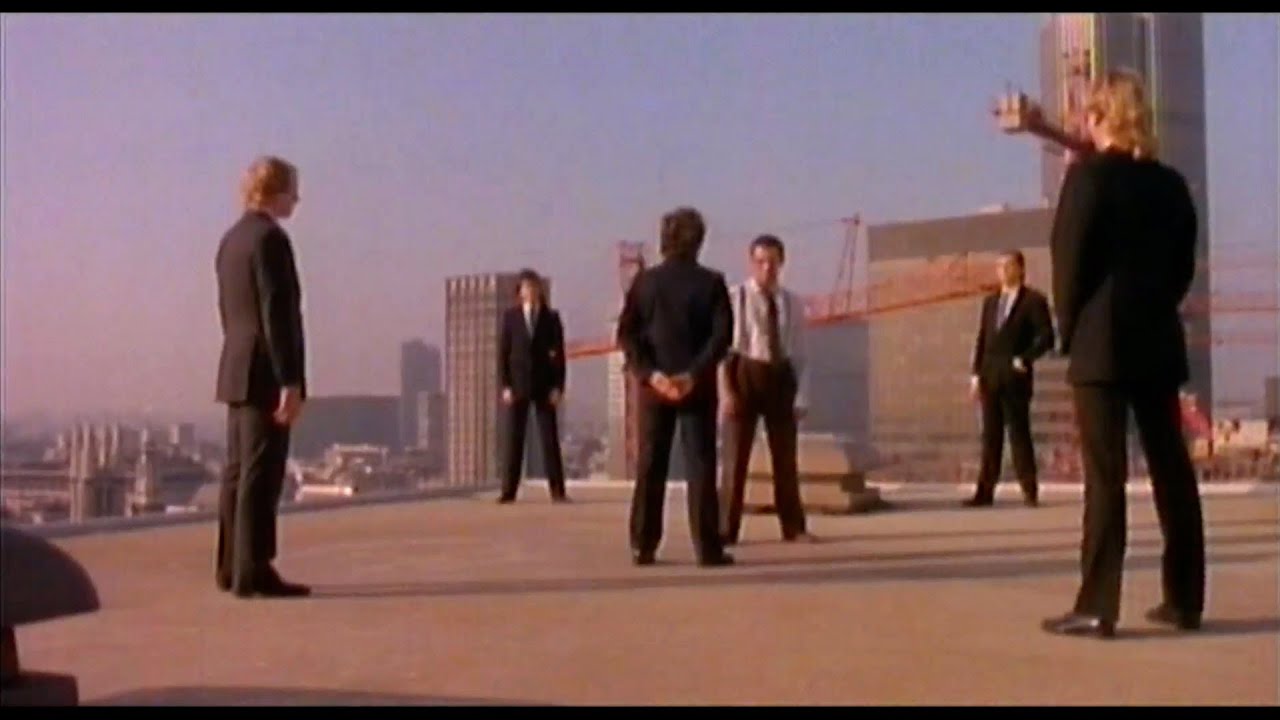
For his part, Horn claims to have contributed the ‘Move yourself!’ opening gambit after an all-night writing session, and also to have suggested giving the sound effects more bite with a Synclavier keyboard and a Fairlight sampler.
The producer also says that Anderson “was a bit rude” about the song when he joined the line-up, and rewrote the verses before he’d sing them.
“I heard Owner Of A Lonely Heart for the first time in Chris Squire’s Bentley outside my house,” the singer recalls. “I thought: ‘This is so damn good.’ The production was a breakthrough on many levels.
“But the verses were a bit ordinary. I actually wrote all the verses, the first with Trevor Rabin and the rest with Trevor Horn. Everybody wanted their finger in the pie.”
By the time it was finished, Owner Of A Lonely Heart was a curious pie, with its butch opening chords, delicate chorus harmonies, breakbeat flourishes, novelty sound effects and a guitar solo break that might have fallen off the fretboard of Rage Against The Machine’s Tom Morello.

While the song had previously been rejected by Arista – head honcho Clive Davis reportedly telling Rabin that the song was “too strange and wouldn’t be a hit” – Atlantic subsidiary Atco had more faith.
The record company said it was gonna be Number One, that they were gonna finance it like crazy.
Jon Anderson
“The record company already said it was gonna be Number One, that they were gonna finance it like crazy,” says Anderson. “Yes did long-form pieces; we didn’t make music for radio. But I was thinking: ‘Well, I’ve never strived to have a hit record. Why not try it this time.’”
The gamble came off. Released in October 1983, Owner Of A Lonely Heart was a bona fide global hit, reaching No.28 in the UK and No.1 in the US and thrusting this previously esoteric band into the unlikely role of heavy-rotation MTV stars.
“On the first week of touring, I went to see Spinal Tap,” Anderson recalls of the moment he accepted his mainstream status. “And they projected the idea that if you’re in a band that’s having a hit record, and you’re on stage in front of thousands of people, then that’s valid and creative. Y’know, just go for it. And I loved it from then on.”
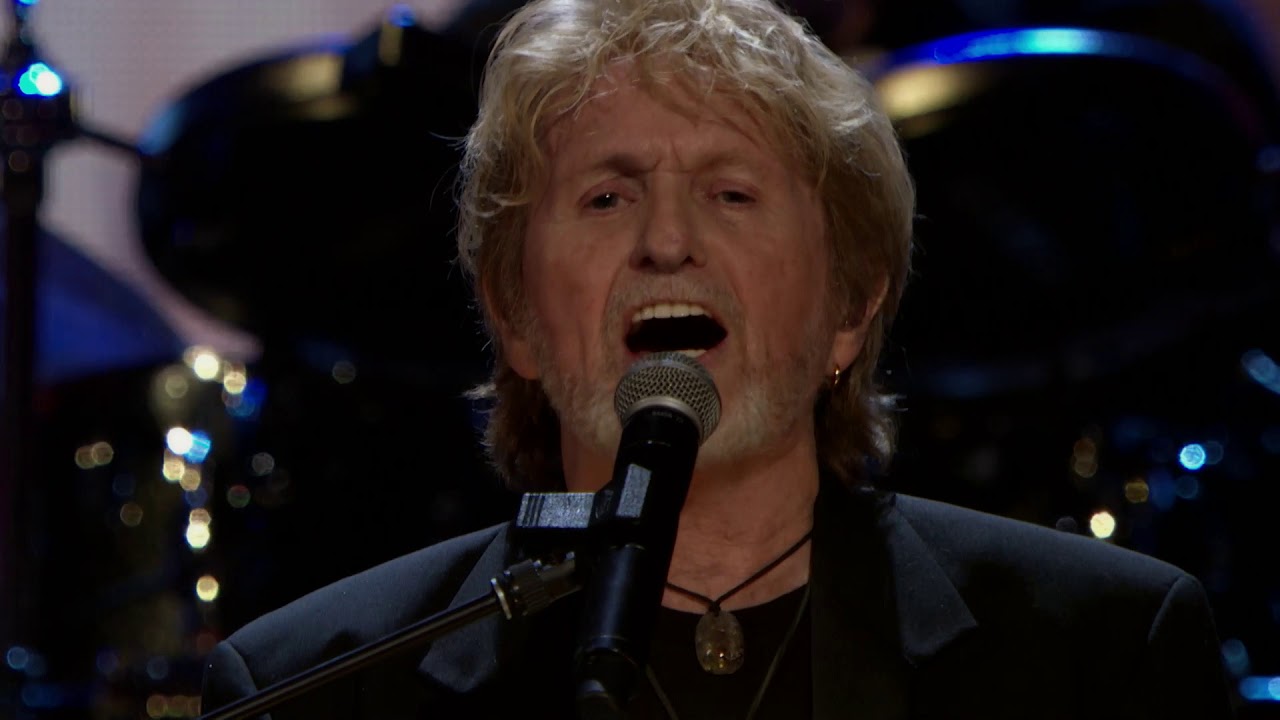
More than just a commercial smash, Lonely Heart also proved highly influential, reeling in successive generations of Yes fans, sampled by artists including Michael Jackson and name-checked on The Simpsons. Even now, played nightly by the surviving members of Yes in their various groups, the song retains its sparkle.
“I think it’s aged very well,” says Anderson. “It doesn’t sound dated at all. I still sing it on stage, because I enjoy performing it and that’s what people want to hear. It’s a great song.”
Originally published in Classic Rock issue 225 (June 2016)

