




In the late 70s, pomp rock bestrode the US like a keyboard-laden colossus. Unstoppable and immovable, Styx, Kansas and their like dominated the charts with a succession of epic, inflated albums that captured the imagination of a generation that had progressive inclinations but wanted more obvious, radiorock charm.
But just beneath these chart-friendly monoliths lurked a band so pure in its love of Yes and so determined to carry on in that band’s grand tradition that they could almost claim to have inspired an underground movement. They were Starcastle, and they had a sound closer to Yes than anyone else in America – including Yes.
Citadel was their third album. Released in 1978, it was never meant to set the charts on fire, or to shift copies by the juggernaut-load. It was a slow burner, aimed at the connoisseur and the underground. Starcastle, from Champaign, Illinois (also home to REO Speedwagon), had released their self-titled debut in 1975 and Fountains Of Light two years later; two albums that allowed them to build a cult following, but little more. Citadel, though, brought them to a whole new audience overseas.
The record captured the imagination of melodic rock and prog rock fans in the UK. It was no commercial triumph – far from it – but the patronage of Sounds magazine exposed them to a waiting underground.
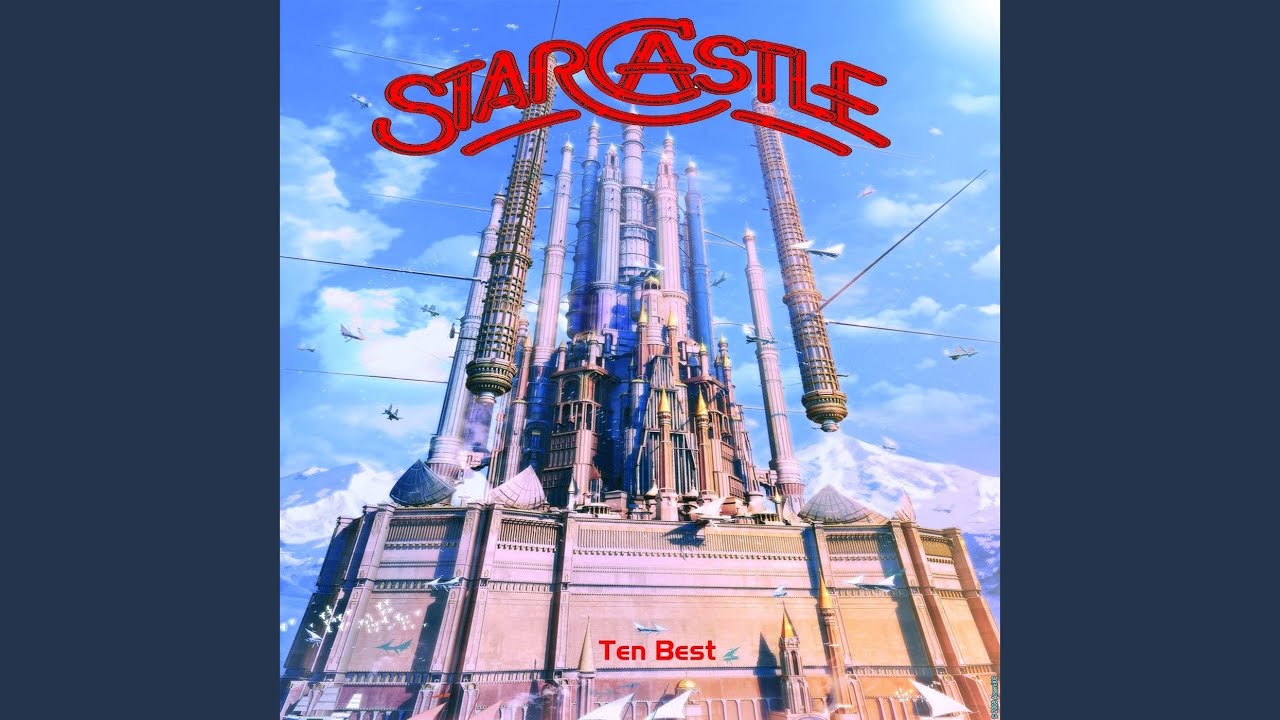
So what was it about Citadel that still makes it Starcastle’s outstanding contribution to the pomp rock genre? Simple: it distilled the essence of their Yes worship (mostly down to the keyboards of Herb Schildt) with a more accessible, tuneful approach; the eight songs had a real sense of cohesion, even though there were no superficial similarities between more progressive material like Shadow Of Song and Change In Time, and the airwave-friendly Can’t Think Twice or Could This Be Love.
Maybe the influence of producer Roy Thomas Baker should be underscored here. He had first worked with Starcastle on Fountains Of Light, recorded in Quebec. For Citadel, the label sent them to England to work on Baker’s home turf, which gave him a greater degree of control and confidence. And it showed, because there’s little doubt that the band had learned how to discipline themselves and focus on their strengths.
Despite the airplay for Can’t Think Twice and Could This Be Love, the album never took off in a music scene increasingly dominated by punk and new wave. One further studio album, Real To Reel, followed for Starcastle in 1979, but the appeal of Citadel has grown disproportionately, and it is now properly regarded as a minor masterpiece.
This feature first appeared in Classic Rock 49, published in January 2003.

