


Queen's Bohemian Rhapsody is more than just a masterpiece of songwriting – it’s a work of sheer bravado that only someone with the bulletproof musical confidence of Freddie Mercury could pull off, critics be damned.
“I think fundamentally Freddie had that great freedom,” Brian May told Classic Rock in 2013. “Deep down, he knew he was right and he didn’t care if people slagged him off. He knew he was having fun, he was searching for a dream that was not only his dream, but in some sense fulfilled our audience’s dream. He was an instinctive showman, and he was fearless. Really fearless.”
That fearlessness is what propelled Mercury to write Bohemian Rhapsody. It was essentially three wildly different pieces of music glued together: the opening piano section, which had its roots in a pre-Queen number known as The Cowboy Song that Mercury had sketched out in the late 60s; the guitar-heavy grand finale; and, sandwiched in between them, that celebrated operatic section.
Nothing like the latter had ever been attempted before in rock music, and Freddie Mercury was the only one who knew what it would sound like. Producer Roy Thomas Baker recalled the singer playing him the opening section for the first time.
“Then he stopped and said, ‘This is where the opera section comes in!’ Then we went out to eat dinner,” said Baker. “It was all in Freddie’s mind,” added Brian May.
It took a huge amount of effort to get the sounds in Mercury’s head onto tape. “Working with Queen, you can’t put it in normal terms,” said Baker. “They can’t work like any normal group. They utilise each other’s talents to the fullest. The middle operatic section in Bohemian Rhapsody, for example, took about six to seven days to record in total.”
As they worked, the section grew and grew. “Freddie kept coming in with more ‘Galileos’ and we kept on adding to the opera section, and it just got bigger and bigger,” recalled Baker. The tapes were overdubbed so many times they were virtually transparent by the end of the sessions.
Several days later, the whole thing was done. When someone at the band’s label, EMI, expressed doubt regarding airplay of this ‘mock opera’, Freddie retorted: “Of course they’ll play it, my dear. It’s going to be fucking huge.”
He was right, of course. It seems perverse now that anyone could ever have doubted the song’s world-conquering potential, but back in the mid-1970s, Queen were still mere mortals. Though Mercury loudly professed his belief that A Night At The Opera was the band’s best album to date, proudly asserting they’d used it to “go out, not restrict ourselves with any barriers and just do what we want to do,” there was still a level of nervousness within the Queen camp about its lead single.
“With Bohemian Rhapsody, we just thought it was a very strong song and so we released it,” Mercury told journalist Harry Doherty upon its release in 1975. “But there were so many arguments about it. Somebody suggested cutting it down because the media reckons we have to have a three-minute single, but we want to put across Queen as songs. There is no point in cutting it. If you want to cut down Bohemian Rhapsody, it just won’t work.
He was right again. While Bohemian Rhapsody wasn’t strictly where Queen found their feet, it was the moment the public finally caught up with them. Having ignored those warnings from onlookers, including friend and DJ Kenny Everett, Queen soon found themselves vindicated. Everett played it 14 times on his radio show that very same weekend. An American DJ followed suit and suddenly the record company felt compelled to release a song they thought was commercial suicide. It was the Christmas No.1 in 1975, staying at the top of the UK charts for a record-breaking nine weeks.
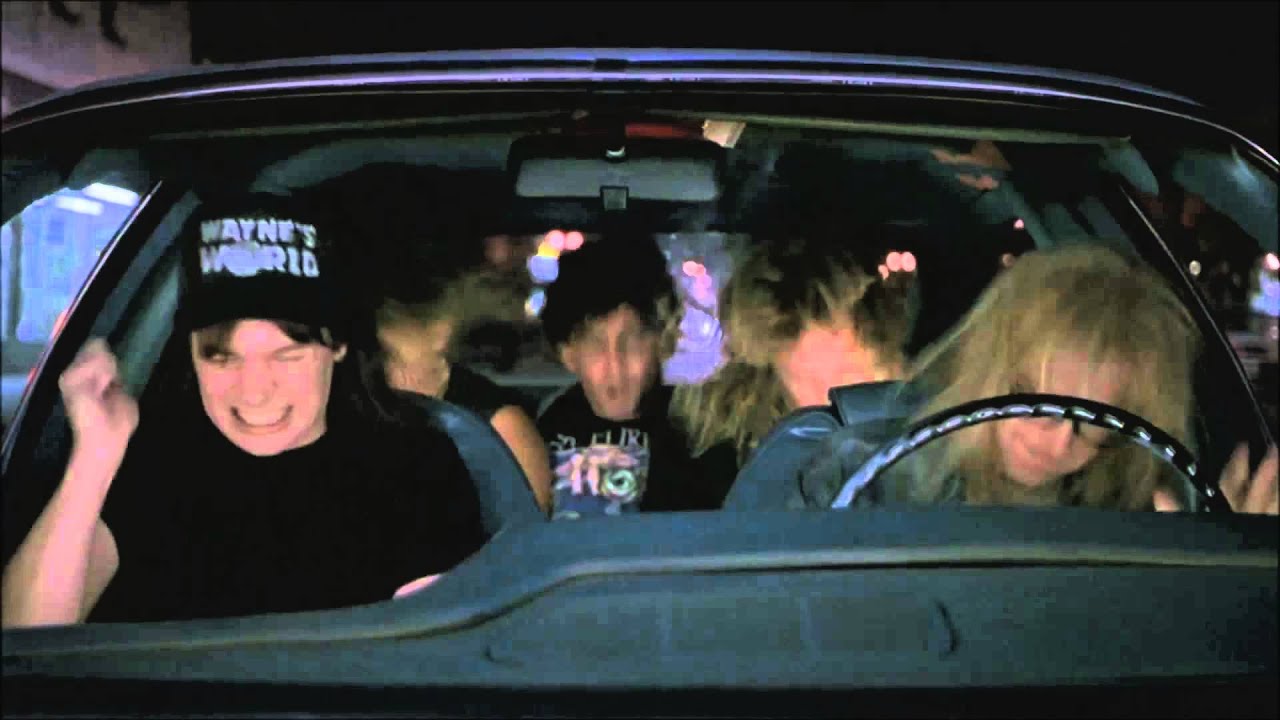
Today, Bohemian Rhapsody is more than just Queen’s signature song: it’s become as big as the band that created it. The song reached No.1 again in the wake of Mercury’s death in 1991, and featured in an iconic scene in the hit movie Wayne’s World the following year. When the band decided to make a big screen biopic in 2018, there was only one song they cold name it after.
More than 40 years on, its daring fusion of heavy metal, show-tune balladry and light opera remains the high watermark in Queen’s career, and a tribute to the band’s collective imagination and desire to push everything as far as as they could. It broke the mould in 1975, and no-one has even dared to try and compete with it since.
“People ask me if I get tired of playing it, and I say ‘never,’” said Brian May. “I find the same listening to it. It’s a fabulous bit of music. I don’t take that much of a credit for it, because it’s Freddie’s brainchild. We all worked on it damn hard, and we all performed on it very well, and we all put in some ideas, but really you’re talking about something that happened in Freddie’s fevered brain at a certain point in time.”

