


One of the many remarkable things about Rush is the complexity of their song arrangements – along with the fact that they only ever worked that way to entertain themselves. But it didn’t always go to plan. In 2023 Geddy “Dirk” Lee and Alex “Lerxst” Lifeson, while discussing Moving Pictures, admitted they and late drummer Neil “Pratt” Peart sometimes wrote themselves into trouble.
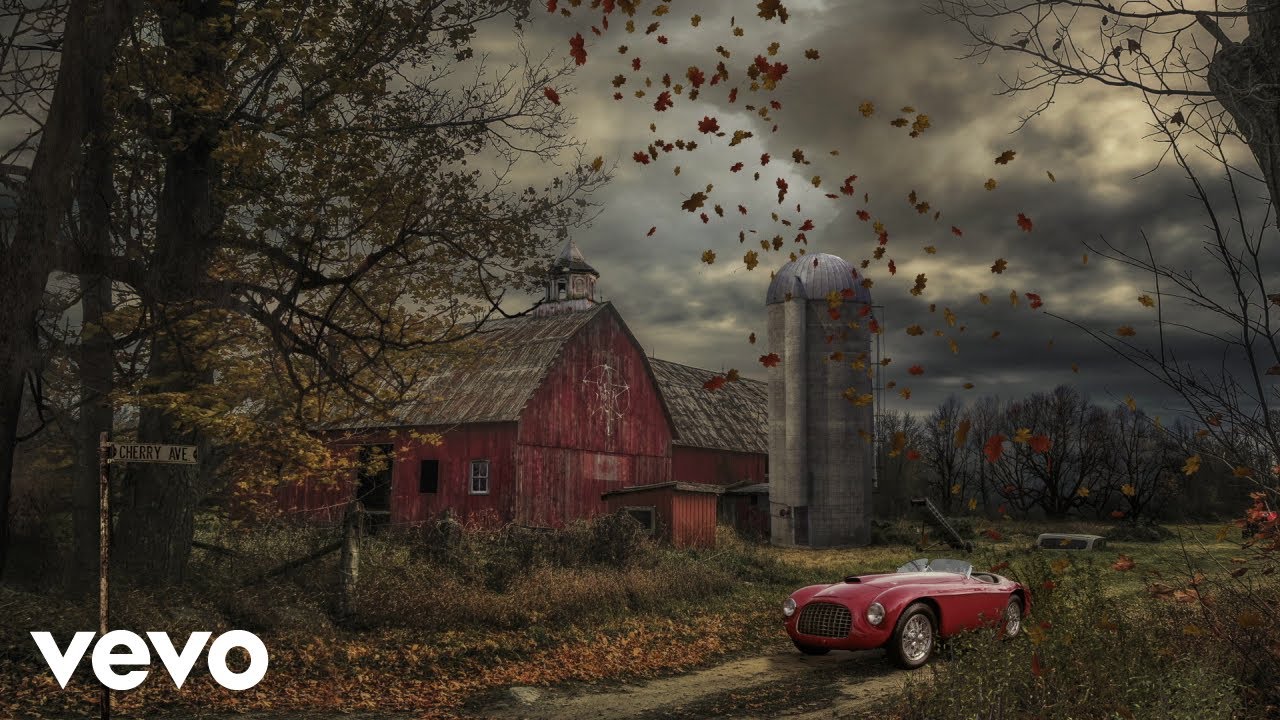
Red Barchetta, from Rush’s 1981 album Moving Pictures, often appears in lists of their best songs. Peart was inspired by a 1973 short story in which cars of the future are large tank-like vehicles, which have forced governments to make driving older cars illegal. The storyteller, however, has access to a vintage open-top two-seater, and regularly breaks the law – with scary consequences.
“I clearly remember writing the middle section,” says Lee. “I remember writing that part on acoustic guitar. And then the whole ‘wind in my hair’ part. But I think the main chordal pattern was Lerxst, and I had room around that arpeggiated section where I could noodle. It gave me a lot of latitude. That’s why it sounds like the bass player wrote it!”
“I got to play the harmonics in a steady pattern that gave it a little bit of stability,” Lifeson says. “Ged and Neil were playing around with those accents, going off beat. We did that a lot over the years, where they’d sort of go off and become the lead instruments, and I would lay back and try to anchor it with an acoustic or with harmonics. Red Barchetta had that.”
Lee considers: It was one of those songs where it might have been built on a more conventional sense of timekeeping, and we would listen back to it and think, ‘Well, that can be more interesting. Yeah, why don’t we start messing around with the time, and that’s how it begins?’
“And then Pratt and I go off on this tangent, and instead of landing on the beat, we can wait and land on the back of the beat. So it was all in aid of being unpredictable.”
“Naturally, being Rush, we took it too far,” says Lifeson, moving the conversation to a track from 2002 album Vapor Trails. “Years later, when we were constructing songs on the computer, if we were putting an arrangement together we could have all kinds of fun moving the beats around. But then we’d go to play it and everybody would be cursing it!
“Those are the parts that were the hardest to remember live and where most of the train wrecks came from. Like Earthshine, you know? Great song, but so fucking hard to play live, because there was one chorus that was different so then it pushes the other two choruses. That could be a mess live.”
He reflects that a similar thing has happened over the years with his guitar solos. “The first five takes were always the best ones for the material. After that I’d just start repeating myself and I wouldn’t get the right vibe up. Then it would get to the point where I couldn’t objectively think of those pieces and put it together. And that’s when I’d get kicked out of the studio.
“Then these guys and the producer – whoever – would take the solos and start snipping it all up and going through a bunch of permutations until they got the one solo they needed, and then I’d come back in.
“First of all I’d go, ‘That’s amazing! I played that?’ And the second thing I’d say is, ‘Fuck me – I’m gonna have to play that live!’”


