


In 2012 Prog revisited the night of March 26, 1976, when Phil Collins performed his first show as Genesis’ lead singer. They’d already released A Trick Of The Tail, their first album without Peter Gabriel. But the key question of whether they had a future as a fully-working band was about to be answered.
Unsurprisingly, Phil Collins vividly remembers his first show as lead singer in Genesis. A thousand thoughts were rushing through his head in London, Ontario, Canada on March 26, 1976. “What do I wear? What do I do? I had big shoes to fill,” he remembers. “I could sing, but could I talk? I had the goodwill of the audience, but not the security blanket of my drums. Once we’d got a couple of songs out of the way, though, I felt: ‘I can do this.’”
The fans were onside: they wanted the band to survive Peter Gabriel’s exit. Prematurely written off by the press as a backing group without a leader, they now had underdog appeal. “A Trick Of The Tail was a bright light,” says Collins of their first album without Gabriel. “They preferred that we’d made things work within ourselves.”
Mike Rutherford recalls in the memoir Genesis: Chapter & Verse: “I saw Phil go up front with a piece of paper in his hand, shaking, so nervous. But it worked great. Phil had experience from his youth of being on stage; he was comfortable there, and the audience wanted to like him.
“As some of our songs were slightly distant, atmospheric, dark, Phil’s more down-to-earth presence on stage counteracted the heavier parts of the set. He reduced the tension and allowed people to relax between the songs.”

Yet it nearly hadn’t happened – with Gabriel’s departure, the remaining members had wondered on occasion if Genesis had any future at all. Collins, simultaneously playing with experimental outfit Brand X, at first assumed Genesis would carry on as an instrumental quartet. That notion, he laughs, lasted “about a day.”
Rutherford and Tony Banks pointed out that they’d always been songwriters, so they needed a singer. Many luckless souls auditioned before the band realised the perfect solution was right under their noses. Steve Hackett, along with Yes vocalist Jon Anderson, went to Collins’ first wedding and urged him to consider the role.
The drummer’s vocal contribution to Hackett’s 1975 solo album Voyage Of The Acolyte had been much admired by the guitarist. In the end, he says, he showed up at a rehearsal and said, “Well, I guess I’m going to have to do it. As long as I can find a drummer I like.”
Because of course by “promoting” Collins to vocals, Genesis were, to an extent, sacrificing another asset: the fact that they had one of the world’s best and most in-demand drummers.
Collins’ friend Bill Bruford, formerly of Yes and King Crimson, came in to bridge the gap for the first tour. Collins reckons that Bruford’s pedigree meant he’d only receive “friendly fire” from the fans. There was also the new possibillity of having two drummers at times.
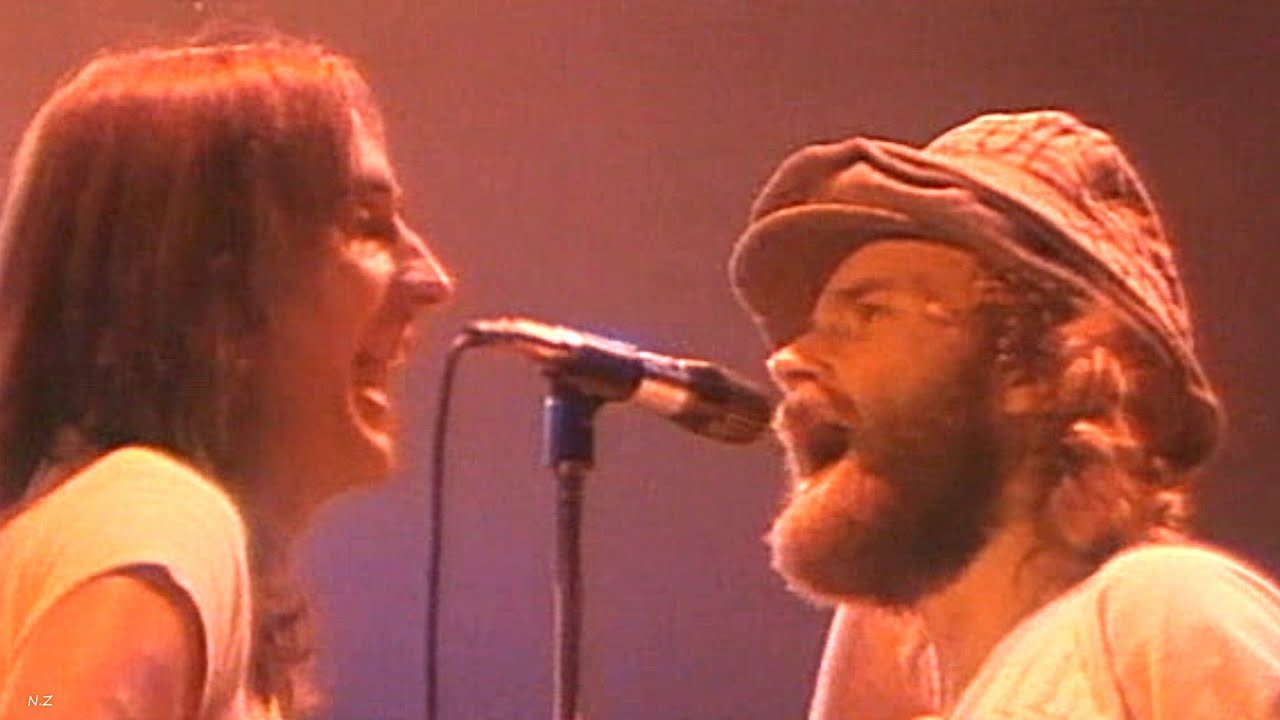
“When they were playing together on The Cinema Show, Banks said, “it became one of the strongest moments in the show.” Hackett adds: “Bill was a star in his own right. He helped our confidence on stage no end. I even shaved off my moustache – at last I was without facial hair!”
The most radical change, though, was upfront, centre stage. Banks says he knew Phil had a great voice, but wasn’t sure he’d “want” to use it. “He didn’t seem to have… the gravitas.” Yet as the auditions had revealed, he was the right, if not the most obvious, choice.
Producer David Hentschel said, “Phil really half-nominated himself… the timbre of his voice was not dissimilar to Peter’s. But there needed to be a push to convince the other guys.”
Collins, though, denies that he was in any way “ambitious,” saying: “I’d got myself a nice little reputation as a drummer, and I was happy with that. This was the last thing on my mind.
“I had no affinity with the idea of walking out from behind the drums and becoming a band’s singer: the guy who wiggled his bum, who people looked at. Over the years there have been people claiming I nudged Peter out. That’s complete rubbish.”

