


Helloween guitarist Kai Hansen was in hospital recovering from Hepatitis B when he realised he was going sour on the band he’d founded a few years earlier. It was the end of 1987 and Hansen had gotten sick on the US leg of the German power metal trailblazers’ tour in support of that year’s masterful Keeper Of The Seven Keys, Part 1 album.
“A girl,” he says of how he picked up the infection. “One of them. We were young guys, we were running wild, we had opportunities. You have to piss on every tree, right?”
The ‘hows’ of the matter aren’t as important as what happened next. Finally discharged after two months, he realised something had to change. Helloween had been running full pelt for the past few years, and a gruelling tour schedule combined with Hansen’s lifestyle weren’t exactly helping his physical and mental wellbeing
“It’s an honest song. I wrote it from the heart.”
Kai Hansen
“I was thinking, ‘OK, this is not going to work out,’” he says. “So I suggested doing shorter tours: ‘Can we cut it down?’ But the other guys said, ‘If management want us to play, we will play. We only have one chance in life.’”
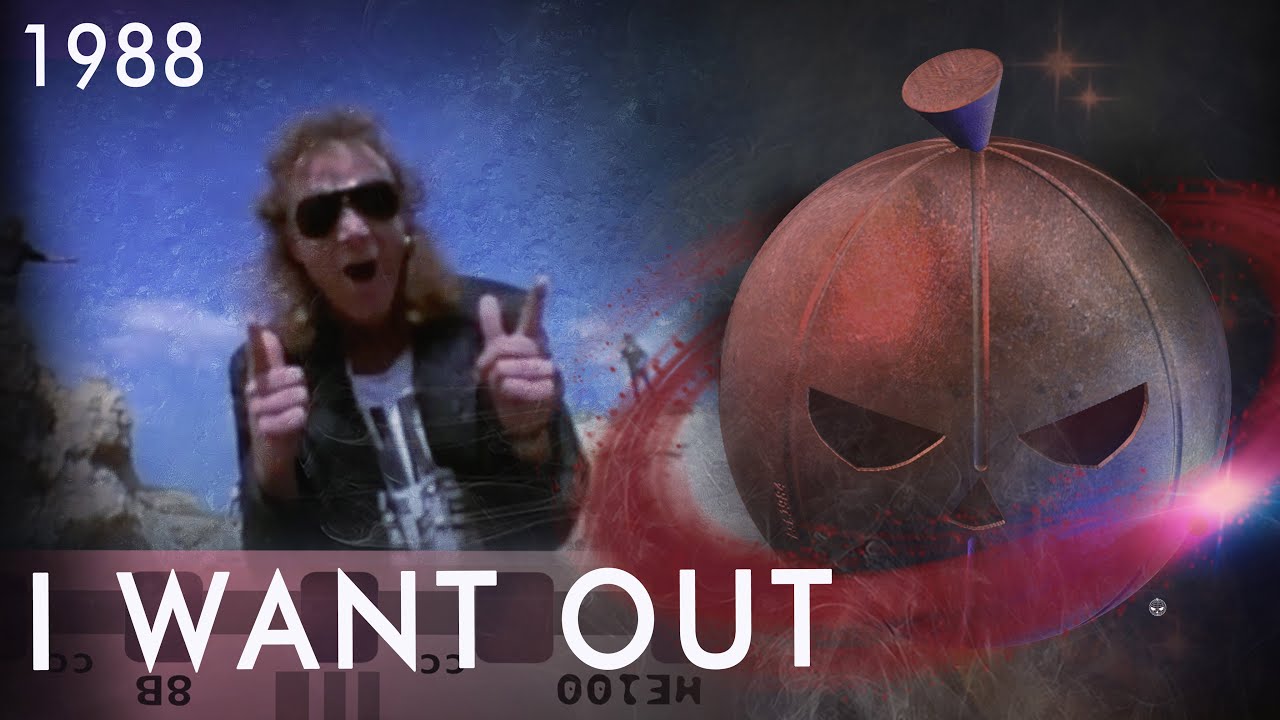
He may have been disillusioned but Hansen didn’t quit. At least not yet. Instead he poured his frustration into a song that would appear on Helloween’s next album, whose title barely disguised the fact that it would become his resignation letter: I Want Out

Helloween were part of groundswell of German metal bands that emerged in the first half of the 1980s, alongside the likes of Kreator, Destruction and Sodom. Hansen had formed the group in Hamburg in 1984, alongside fellow guitarist Michael ‘Weiki’ Weikath, bassist Markus Grosskopf and drummer Ingo Schwichtenberg.
Their first album, 1985’s Walls Of Jericho, was raw and thrashy, with Hansen doubling up on vocals and guitar. The follow-up was something else. Keeper Of The Seven Keys, Part 1, saw Hansen handing over vocal duties to 18-year-old wunderkind Michael Kiske, a man with a voice that could shatter stained glass windows.
Musically, too, it was a huge step up. Thrash was out, replaced by a newfound sense of musical ambition and a set of powerhouse anthems to match. Nearly 40 years on, Keeper Of The Seven Keys, Part 1 remains the template for power metal.
Hansen rolls his eyes at the suggestion. “We chewed heavy metal down and spat it out our own way,” he says. “Someone came up with the idea to call it ‘power metal’. I mean, what the hell is that? I always thought power metal is fucking cheesy. And we are not cheesy, fuck that. Well, maybe we can sometimes be a little bit cheesy.”

Taxonomy aside, Keeper Of The Seven Keys, Part 1 was a winner. Suddenly, Helloween found themselves bundled onto a tourbus with guitars, passports and a mission to introduce the world to Germany’s next big band. That’s when Kai Hansen realised that life in Helloween wasn’t the joyride it promised to be.
“We did extensive tours of Europe and America and Japan,” he says. “There was no internet, you couldn’t be in contact with your loved ones – you had to go to those shitty phone boxes. And of course, we were trying to party as much as we could. Then you get the bill at some point. For me, it was an extreme bill. I got sick, and spent two months in hospital.”
It took a while for Hansen to verbalise his feelings about his situation within Helloween, but the signs were there on both sides. If the band had been reaping the rewards of the album’s success, things might have been different.
“We had no fucking clue about the financial situation of the band,’ he says. “We got paid a little dough every month, that was basically it. We didn’t know who was being paid for what, how much money was coming in, how much was going out for what. I didn’t like that: ‘Can we have some information? Who’s working for who?’”
There were tensions with his bandmates, too. Hansen and Weikath were chalk and cheese – the former ebullient and brash, the latter taciturn and possessed of an oddball sense of humour. New boy singer Kiske was strong-minded in a way that belied his youth. Factions and rivalries began to form. As Hansen puts it: “Helloween was not a strong union at that time.”
“I always thought power metal is fucking cheesy. And we are not cheesy, fuck that.”
Kai Hansen
His wavering commitment could be measured by his songwriting contributions. Hansen had written or co-written most of the songs on Keeper Part 1. For the follow-up, inevitably titled Keeper Of The Seven Keys, Part 2, Weikath shouldered much of the songwriting duties.
“Weiki and Kiske were saying, ‘Do you want to do this metal stuff forever?’” says Hansen. “Kiske was into more singer-songwriter stuff, Elvis stuff. Weiki was more like, ‘We have to be like The Beatles.’ Ingo, Markus and me were hard-heads: ‘We want to rock. We want to do metal.’”
Ironically, Hansen didn’t completely want out of Helloween when he wrote the song that would ultimately become his kiss-off to the band. But he couldn’t shake a piece of advice an English aunt had once given him.
“She said to me, ‘Kai, whatever you do, to with all your heart. Love it, change it or leave it,’” he says. “Those words kept ringing in my mind.”

After finishing I Want Out, he took his concerns to the rest of the band. “I said to the guys, ‘We have to change something. I said, ‘We’ll do the tour, if nothing has changed, I might quit.’ It was my baby from the start. I didn’t want to quit it.”
I Want Out laid its cards on the table. It might have been written for Michael Kiske to sing, but the sentiments were all Hansen’s. “Shut your mouth and take it home / Cos I decide the way things gonna be,” runs one lyric. The chorus was even more on the nose: “I want out / To do things on my own / I want out / To live my life and to be free.”
The message was hard to miss but easy to ignore, and that’s what the rest of Helloween did. “They were indifferent,” says Hansen. “Weiki was happy, cos we were in competition. And Kiske was like, ‘You’re stupid to do that, how could you?’”
I Want Out was released, appropriately enough, on Halloween 1988, three months after Keeper Of The Seven Keys, Part 2. Any doubt in Hansen’s mind had evaporated by that point. By the start of the following year, he was no longer a member of Helloween. The self-fulfilling prophecy laid down by I Want Out had come to pass.
‘I was feeling so confident and free,” says Hansen of his departure. “On the other hand, I was, like, ‘Shit, it could have been great.’”
Post-split, Hansen put together a new band, Gamma Ray. Helloween themselves carried on without him, though both Michael Kiske and Ingo Schwichtenberg followed him out the door a few years later (tragically, the latter died of suicide in 1995).
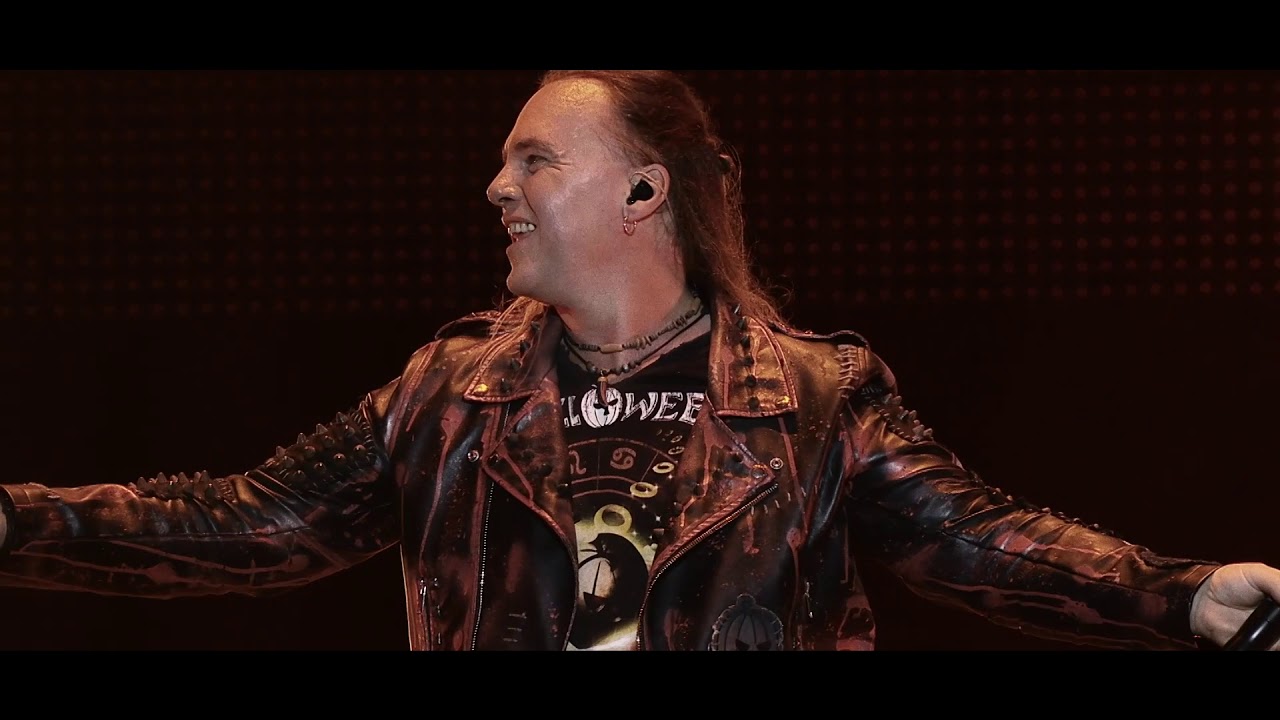
Tellingly, the new iteration of the band didn’t retire their former guitarist’s resignation letter from the setlist – new vocalist Andi Deris continued to sing it live. And following the band’s unconventional reunion in 2016, in which Keepers-era stalwarts Hansen and Kiske merged with the band’s current line-up, it retains pride of place in their set.
“It’s an honest song,” Hansen says now. “I wrote it from the heart. I guess I had to leave to eventually come back.”

