


1977 was one of the most dramatic years for music. War was declared on ‘dinosaur rock’, and strange new strains of pop emerged. Donna Summer’s electro-orgasms pulsated through the discos while the Sex Pistols spat in the face of convention. Old was evil. New was nu. Peace signs were replaced by safety pins. It was all pretty goddamn exciting.
But while The Clash burned down London, and The Trammps ignited the disco inferno, AOR continued to plod along, oblivious to the churning sea changes. ELO, Pablo Cruise, Rod Stewart and the Eagles were all at the top of the charts. Throbbing Gristle’s first album, it turns out, had no direct effect on Fleetwood Mac or the Marshall Tucker Band; The Ramones might have been the coolest band in America, but everybody still bought Billy Joel records.
So it seemed perfectly reasonable, at the time, to unloose Player on the world. Their West Coast moustaches and satin shirts were clearly the mark of the enemy, but only to the freaks on the margins. To the rest of the listening public, Player looked like, well, players. Industry types. Cocaine cowboys. And the music they played was exactly the sort of breezy floss millionaire producers and bazillionaire major-label CEOs loved.
It sounded great while floating lazily on a yacht or zooming down the interstate in a Lamborghini, especially the sultry blue-eyed soul of Baby Come Back, the No.1-with-a-bullet hit that flooded the airwaves in October of ’77. And really, there is no denying the song’s incessant, nursery-rhyme chorus, the jazz-brunch tangle of the guitar line, or those lush, tropical harmonies. You might hate it – or pretend to hate it – but it is clearly a smash hit.
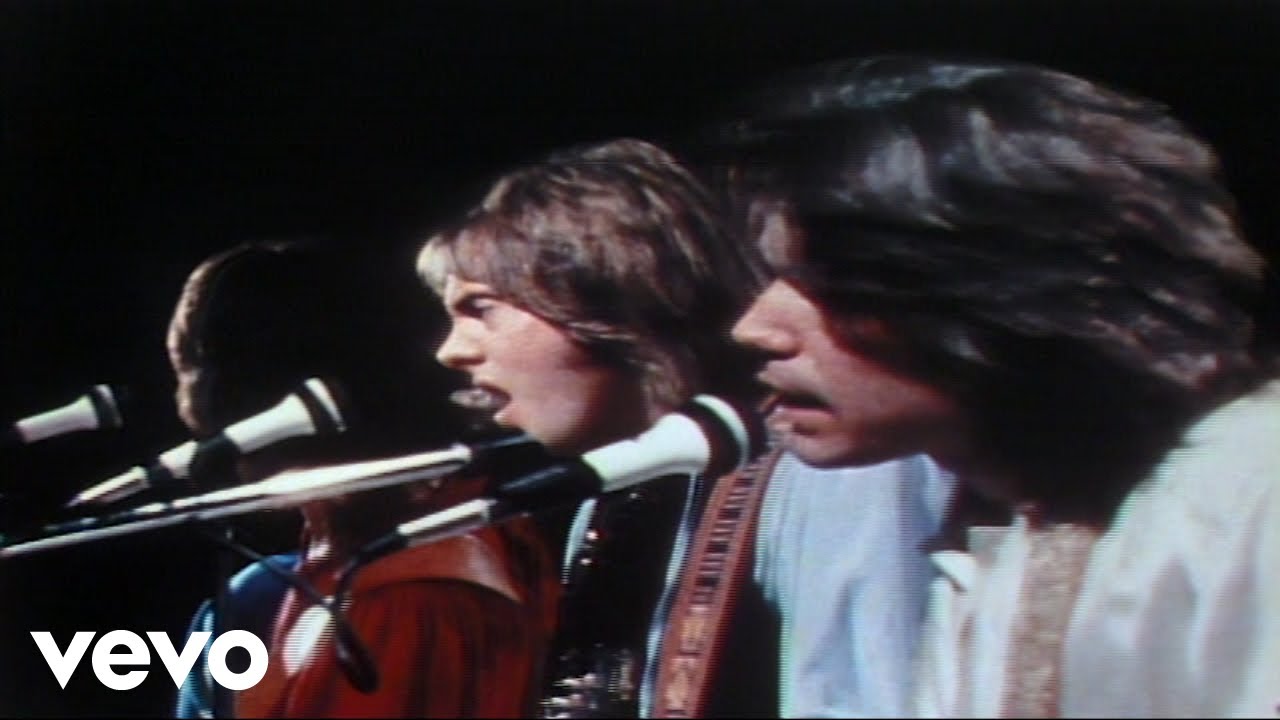
Perhaps more importantly, it sounded immediately familiar, even though most people had never heard – or heard of – Player before. Like Stone Temple Pilots decades later, they would slither on to the scene like pop chameleons, borrowing liberally from their peers with such precision that you never knew exactly who you were listening to. Baby Come Back could easily have been by Hall & Oates, and many of the songs on Player’s self-titled debut are dead ringers for Styx, or ELO, or even Kenny Loggins.
In that respect, Player are the quintessential AOR band, and Player are, by default, the perfect distillation of the AOR formula. So, just where did these song-shifters come from, and why aren’t Player on everybody’s list of greatest AOR albums?
Like a lot of young bands with breakout hits, Player seemed to spring out of nowhere, and that’s pretty much what happened. Brit transplant Peter Beckett and Texan J.C. Crowley were both singer-songwriters living in LA who met at a Hollywood party one night in the mid-70s, and clicked. Beckett had done time in early 70s UK proggers Paladin and later, after moving to Los Angeles, as leader of the go-nowhere Skyband. Crowley hadn’t even gotten that far yet.

The two men began writing songs together, forming a band called Bandana and releasing a single, Jukebox Saturday Night. While the song caused a minor stir locally, it did not set the charts ablaze, so they went back to the drawing board, concocting the keyboard-driven lite-FM rock we would all soon come to loathe/love.
After months of live shows and the addition of drummer John Friesen and bass player Ronn Moss, the new band – christened Player, because, well, who’s going to buy an album by a band called Bandana? – began to make the rounds at studios and labels, dragging their drum kits and keyboard rigs around with them, figuring impromptu live gigs would have more impact than a measly demo tape.
They were right. It wasn’t long before Aussie impresario/manager-to-the-stars/high-powered movie producer/ record label mogul Robert Stigwood sniffed the young bucks out and signed them to RSO Records, home of the Bee Gees and the Saturday Night Fever and Grease soundtracks.
Player was released hot on the heels of cash-cow Baby Come Back, and the band hit the road, touring with everyone from Eric Clapton to Heart and Kenny Loggins. A second single, the treacle-y This Time I’m In It For Love, was released early in ’78, and snagged a Top 10 spot in the US. A third, Melanie, was only released in Australia, where it failed to chart.
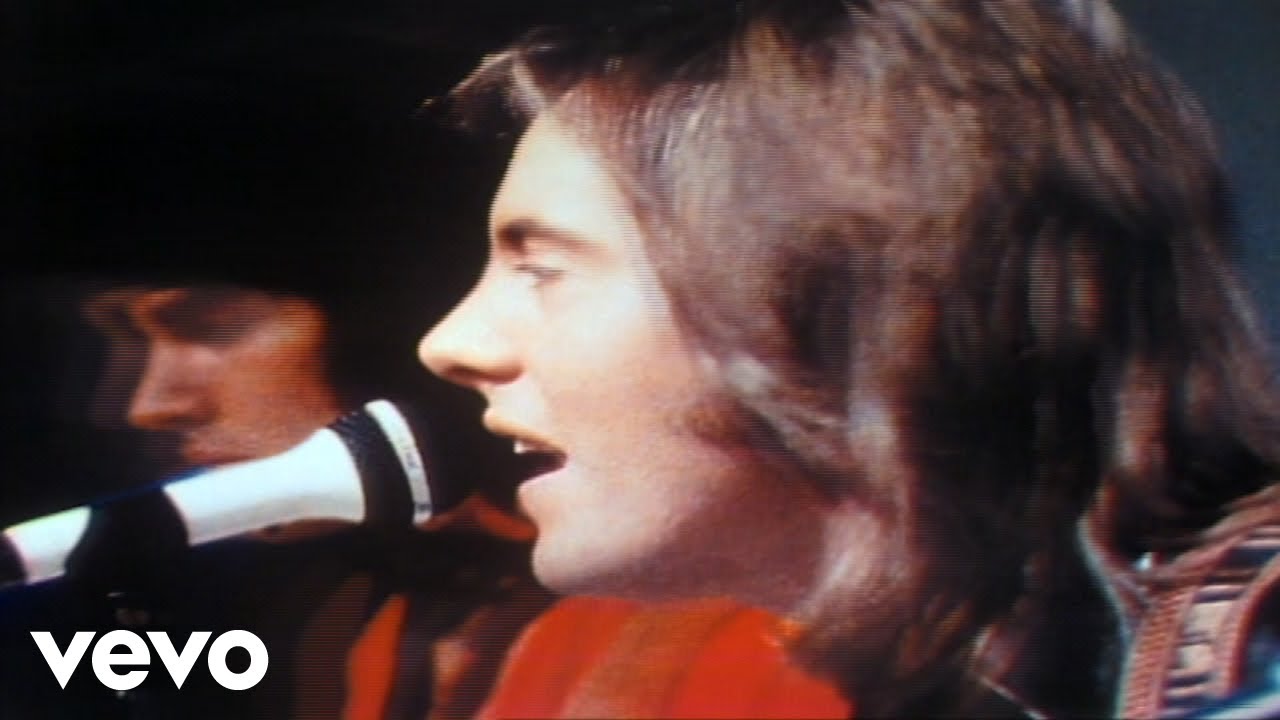
The bloom was already off the rose, and Player did not bother the charts again. Stigwood lost interest, and the band jumped ship to Casablanca, but by then the label was bleeding red ink from every pore. Disco was dead, and a girl named Sharona had come to bury the corpse and usher in the era of indie-rock. AOR shifted from teenage preoccupation to dad’s weekend hobby. Player were out of time and out of place. They stuck it out, more or less – in fact, they’re still together as we speak – but there was no escaping the dreaded one-hit wonder tag, and the band slunk into obscurity.
But should that dissuade you from the unique pleasures and terrors of Player? Certainly not. This is a treasure box of late-70s West Coast fluff, from the syrupy Melanie to the hilariously prescient closer, Trying To Write A Hit Song. There are skronking saxes, plinking xylophones, sci-fi synthesisers, charmingly gratuitous flute, and party songs that sound like the party takes place in an elevator at a law firm. Goodbye (That’s All I Ever Heard) sounds like Steely Dan writing a radio jingle for a funeral home, Movin’ Up sounds like the Eagles quit drugs and bought a bunch of self-help books, and Every Which Way has a chorus so saccharine, it could kill a diabetic.
Toss in a grungy biker-lite jam (Cancellation), some cowbell-banging faux-funk (Love Is Where You Find It), and two irrepressible rock-radio hits, and you have lived the Player dream.
It’s all gloriously square stuff. It should serve as a litmus test to see how deep into this AOR game you really are. If you’re merely a rocker with a few too many Tygers Of Pan Tang records, Player is not for you. If you think Survivor play hard rock, then Player are not your band. But if your idea of a good night out involves being home before it gets dark, then you’ll probably love this record. Player are what the 80s would have sounded like if the rest of 1977 never happened. That being said, God bless Johnny Rotten.

