


When you’re an underground hardcore band who have just lost your new vocalist and bassist straight off the back of your biggest hit, you’d be forgiven for thinking things may have peaked for you.
What you certainly wouldn’t have imagined is that your guitarist would step up as frontman, you would reject hardcore, find your way onto a major label and write a song that would be embraced by members of both the biggest metal band in the world and the biggest indie band in the world. As unlikely as it all seems, that’s exactly what happened to Corrosion of Conformity in 1994.
COC were a name well known by hardcore afficionados in the 80s, particularly thanks to the classic crossover thrash of 1985’s Animosity album. They split in 1987, and most people thought that was that: another promising punk band put out to pasture.
By 1989, though, founding members, drummer Reed Mullin and guitarist Woody Weatherman, decided to scratch the Corrosion of Conformity itch once more and reformed the band.
In came second guitarist Pepper Keenan, bassist Phil Swisher and vocalist Karl Agell in time for the band’s 1991 comeback album, Blind.
“I always thought COC would be one that would push forward and create its own thing,” Keenan remarked to INDY. “So that’s when we started working on the Blind stuff.”
Blind was a much more metal-focused effort, which saw the band tour with Soundgarden and achieve their first ever genuine crossover hit; the Keenan-fronted single Vote with a Bullet.
“We had an independent record deal with Relativity,” Mullin recalled to INDY. “That’s the first time we did some videos. Beavis and Butt-Head liked us. That was our first true record label pushing us.”
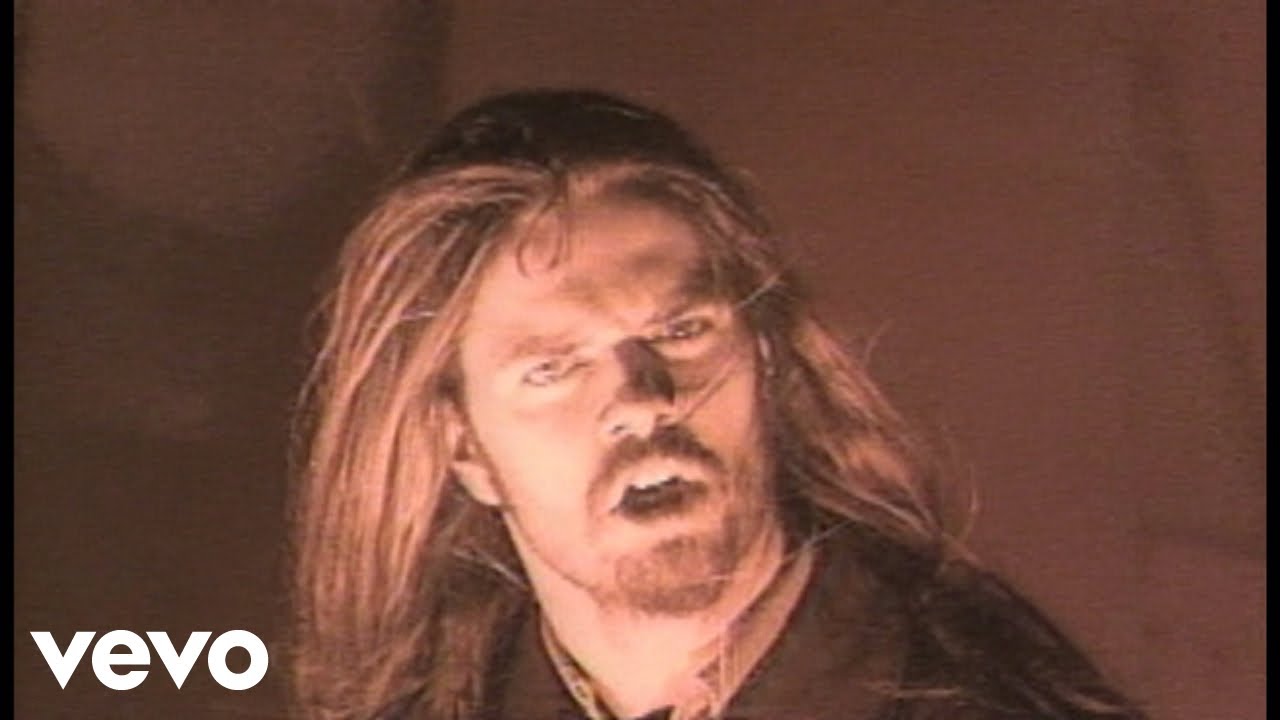
It was all going well, but Agell was not happy seeing Keenan singing the band's most well-known song. Feeling like he was being undermined, and with Swisher in his corner agreeing with him, the pair left Corrosion of Conformity at the height of their commercial success to form the band Leadfoot in 1993.
“It was kinda one of those trouble in paradise things.” Mullin cryptically told MTV in 1994.
It could have totally derailed the band, but Corrosion of Conformity decided to march on. Keenan took over lead vocal duties full time and original bassist Mike Dean returned. More than just a lineup change, there was a musical change as well when the new look COC got together to write new material.
“We’d written the song Albatross,” Keenan told Metal Hammer in 2009. “It already had a bit more of a Skynyrd vibe going on.”
The song was a half-time groove, with a smokey, southern-fried riff that stomped along in a head-nodding jam for five minutes, with Keenan’s slack-jawed, curl lip drawl giving it extra cool points. An absolute banger, sure, but more than that, it proved a lightbulb moment for the band.
“It was just a riff that we had.” Keenan shrugged to Thrasher Magazine. “Once we started fucking around with that, it was just a turning point for us—we realised we could do it. Before that, we were just pissed-off kids without any real direction, but once we wrote a song like that, we were, like, ‘Alright, man. We can do this shit.”

When COC went out to road test their new material, punk purists could hardly have been sniffier at one of their own playing the Southern rock stylings of Skynyrd and Creedence Clearwater Revival, artists many of them saw as “the enemy”. COC wore their distain as a badge of honour.
“It seemed that everyone was doing the same fuckin’ thing,” Keenan snorted to Thrasher. “For us to write Albatross felt more punk rock than anything anyone was doing at the time. People were pissed off at us. But it finally felt real again. We were just evolving as musicians.”
Inspired, Corrosion of Conformity began material for their next album, which would become 1994’s Deliverance. Whilst this was happening, 50% of their Relativity Records home was acquired by Sony, leading to COC’s demos finding their way into the hands of the top brass at Columbia Records, home of Mariah Carey, Nas, Jeff Buckley and more. And they were keen to release Deliverance.
People were pissed off at us. But it finally felt real again
Pepper Keenan
“It wasn’t a political cop out or any of that shite,” Keenan explained to MTV in his defence of the decision. “They were just better at getting the record in stores. We were on an independent for years, it was all fun and dandy, but the record wasn’t in the stores. These guys are 100% behind the band.”
Albatross was released as the first single from the album in August 1994, before Deliverance followed on September 27. Despite its classic rock influences, it felt remarkably contemporary, fresh and exciting, and songs such as Clean My Wounds, Broken Man and Seven Days remain some of the very best stoner metal of the era. The album ended up being the band's first to chart on the Billboard 200 and sold over half a million copies in the US alone.

It was Albatross that remained the most memorable song from the record, though. Not only did it connect with fans, but COC’s peers loved it too. In an interview with The Big Issue in 1994, ahead of the hugely anticipated Second Coming album, indie darlings The Stone Roses named the band as one of the few modern artists they listened to.
“John [Squire, Roses guitarist] never goes anywhere without his copy of Albatross by Corrosion of Conformity,” the piece said, before Squire claimed that COC were his fFavourite band in the world.”
Then there was the Metallica connection; the metal icons were such fans that, at the request of James Hetfield, they actually flew COC over to open for them at a secret show at London’s Astoria 2 on August 23, 1995, also adding them to the main stage of the 1995 Donington Monsters of Rock Festival.
We played 14 soccer stadiums in Germany
Pepper Keenan
“They picked all of the bands at Monsters of Rock at Donington that day, and they picked us,” Keenan told Classic Rock and Culture. “It was a big start and that was the beginning of the relationship. They’ve always been first class to us. I guess the second thing was getting offered that giant tour in the Load era. That’s when they were monsters, just killing it around the globe. We played 14 soccer stadiums in Germany. It was just massive.”
The relationship was so strong that Albatross was even playable in the iconic 2009 video game Guitar Hero: Metallica, which gave it another significant boost in popularity.
For Corrosion of Conformity, Albatross is a career-making song. And to think, it all came from a band getting bored of punk and trying out a Syknyrd riff.

