Lost treasures: Ten cult classic albums worth scouring second-hand record stores for
From groundbreaking psychedelia to lost folk and good-time boogie, here are ten albums truly worth stumbling across
Select the newsletters you’d like to receive. Then, add your email to sign up.
You are now subscribed
Your newsletter sign-up was successful
Want to add more newsletters?
For every thousand copies of Pink Floyd's The Dark Side Of The Moon (currently in 760,236 collections on Discogs, with another 1,389,261 users wishing they owned a copy), there’s a single copy of a cult classic desired by the type of serious music lover whose tastes extend far beyond the albums everyone else likes. It might be pioneering proto-metal. It might be a cosmic country gem. It might be a forgotten folkie. But it'll be a cult classic.
Here's 10 of them. Keep your eyes peeled.
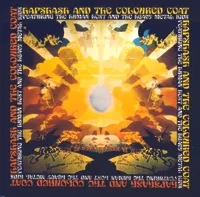
Hapdash And The Coloured Coat - Featuring The Human Host And The Heavy Metal Kids (Minit/Liberty, 1967)
Headed up by psychedelic poster designers Michael English and Nigel Waymouth, Hapshash’s musical endeavours were a suitably cosmic extension of their artwork.
This debut album, featuring future members of Spooky Tooth, was as out-there as 60s rock ever got. Stuffed with avant-garde textures, weird experiments and freeform guitar riffs, it proved a big influence on emerging German collective Amon Düül and, so the story goes, inspired parts of the Rolling Stones’ Their Satanic Majesties Request.
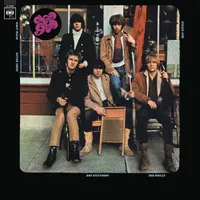
Moby Grape - Moby Grape (CBS, 1967)
The San Francisco quartet’s first album flew directly in the face of the Summer of Love, eschewing hippie bullshit for fizzy songs that bucked and roared like the Rolling Stones or Buffalo Springfield. It was a record that should have set them off on a long career.
Alas, bad luck, record-company ineptitude and self-sabotage (drummer Don Stevenson is giving the finger on the original LP sleeve) served to undermine them from the get-go.

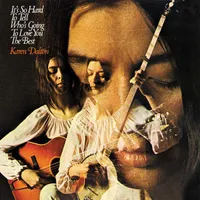
Karen Dalton - It’s So Hard To Tell Who’s Going To Love You The Best (Capitol, 1969)
Some albums are like secret handshakes. If spotted in your collection or tucked under your arm, they can instantly mark you as a person of impeccable taste, and even kindle friendships.
Beyond the Dylans and Baezes of the late 60s Greenwich Village folk scene, there was Dalton and this album, one of most sublime secret handshakes ever.
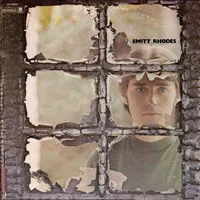
Emitt Rhodes - Emitt Rhodes (Probe, 1970)
Rhodes’ previous multi-instrumental efforts with West Coast psych-pop band The Merry-Go-Round barely hinted at his potential as a solo artist.
This debut was a near-perfect conflation of Paul McCartney, Harry Nilsson and The Association, full of finely chiselled songs – Fresh As A Daisy; Live Till You Die; With My Face On The Floor – that were all the more impressive for the fact that he recorded everything himself in a homemade studio opposite his parents’ house.

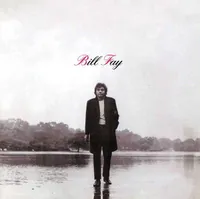
Bill Fay - Time Of The Last Persecution (Deram, 1971)
Was there ever a truer cult figure than Bill Fay? After the release of this second album in 1971, the Londoner was dropped by Deram and consigned to a life of artistic obscurity until the likes of Wilco and The War On Drugs began singing his praises decades later.
The spare nature of Time…, driven by piano and dark-voiced songs about the oncoming apocalypse, occupies its own peculiar, jazz-folk realm.
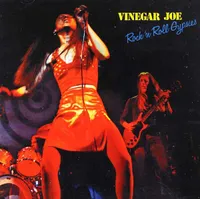
Vinegar Joe - Rock’n Roll Gypsies (Island, 1972)
In 1972, the looming OPEC oil crisis and Yom Kippur War caused the price of plastic to skyrocket. Only 5,000 copies of Vinegar Joe’s Rock’n Roll Gypsies were produced, instead of a planned 20,000. Shops sold out quickly, but the band’s label, Island Records, put a re-press on hold owing to the vinyl shortage. Thus, VJ’s crucial second platter failed to dent the charts.
A pity, because this spirited dose of good-time boogie – fuelled by the forceful lead vocals of Robert Palmer and Elkie Brooks – deserved to be heard by a wider audience.

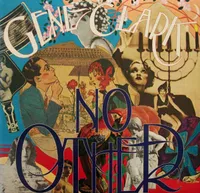
Gene Clark - No Other (Asylum, 1974)
Gene Clark’s fourth studio album failed to excite either the record-buying public or his label bosses at Asylum. Initially viewed as an expensive folly, and probably not helped by a curious Art Deco sleeve with Clark in full drag, in reality it’s a monumental vision of West Coast country-rock with baroque flourishes of folk, psychedelia and jazz.
A prime example of an album whose influence and appeal has only grown with time.

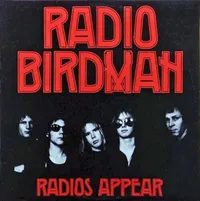
Radio Birdman - Radios Appear (Trafalgar, 1977)
Originally released with a run of 3000 vinyl copies in their native Australia, the ramshackle punks’ first full-length studio album, crammed full of MC5 and Stooge-esque garage clatter, was a game-changer.
The version you’re more likely to find today is the white sleeve overseas release (the original Aussie cover was black), which surfaced the following year with a slightly amended and bolstered tracklist.
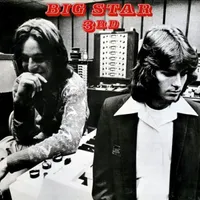
Big Star - Third (PVC, 1978)
Big Star’s first two records mined a fertile pop-rock vein and established their cult, but sold next to nothing.
Recorded in their Memphis hometown, their third found them mastering the art of making a joined-up record that carried a singular mood – in this case fractured, haunted melancholy. It made them heroes to a generation of alt.rockers, but still sold nothing.
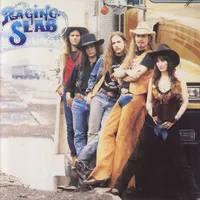
Raging Slab - Raging Slab (RCA, 1989)
Mixing New York rock’n’roll and a quirky Southern blast, Raging Slab were tipped for big things back at the end of the 80s. This album is all the explanation that you need of their Talent.
It was intimately accessible, yet had a broad sweep, from the anthemic Get Off My Jollies to the thumping San Loco. With a propulsive sound that was halfway between ZZ Top and the Allman Brothers, it was built for vinyl – and is ripe for rediscovery on the same medium.
Sign up below to get the latest from Classic Rock, plus exclusive special offers, direct to your inbox!

Online Editor at Louder/Classic Rock magazine since 2014. 40 years in music industry, online for 27. Also bylines for: Metal Hammer, Prog Magazine, The Word Magazine, The Guardian, The New Statesman, Saga, Music365. Former Head of Music at Xfm Radio, A&R at Fiction Records, early blogger, ex-roadie, published author. Once appeared in a Cure video dressed as a cowboy, and thinks any situation can be improved by the introduction of cats. Favourite Serbian trumpeter: Dejan Petrović.