


Pain Of Salvation and Kayak alumnus Kristoffer Gildenlöw has returned to his prog metal roots with new solo album [Humanised]. The Swedish musician reconnects with former bandmates, explores what it means to be human, and tells Prog why he's still hopeful of the future.
It’s been 20 years since Kristoffer Gildenlöw was somewhat acrimoniously forced out of Pain Of Salvation, the well-respected Swedish prog metal band led by his brother Daniel. In the space of those two decades, the younger sibling has reinvented himself as a successful session musician and solo artist. He’s played and toured with Neal Morse, Lana Lane and Damian Wilson. His solo albums have hit a string of rich and varied notes, ranging from smoky singer-songwriter vibes to stirring moments of full-on symphonic prog.
What he hasn’t done much of – a few session slots aside – is the sort of progressive metal with which he originally made his name. His 2024 album Empty made some tentative steps toward the rockier side of the prog spectrum; but on his latest release, [Humanised], he’s finally returned to his roots.
“I’ve never seen myself as a singer and I think that’s the biggest obstacle I’ve had,” he offers by way of explanation. “With the earlier music, I could lean more towards the story-telling and the lower voice. I’ve really picked up the electric guitar and got better with that, so I felt more secure in doing more guitar work on my own, and also singing and raising the bar. That’s when I decided, ‘Okay, I’m ready to take that step into a heavier sound – a more technical kind of music than before.’”
[Humanised] is, indeed, a technically accomplished album; but one that also retains the emotional weight of his previous releases. There’s a tension running through most of the songs and a deliberate sonic heaviness, but it’s far from one-dimensional. It’s meticulously constructed: even a track like The Almosts, built around just two chords, stacks multiple layers of texture and melodies to impressive effect.
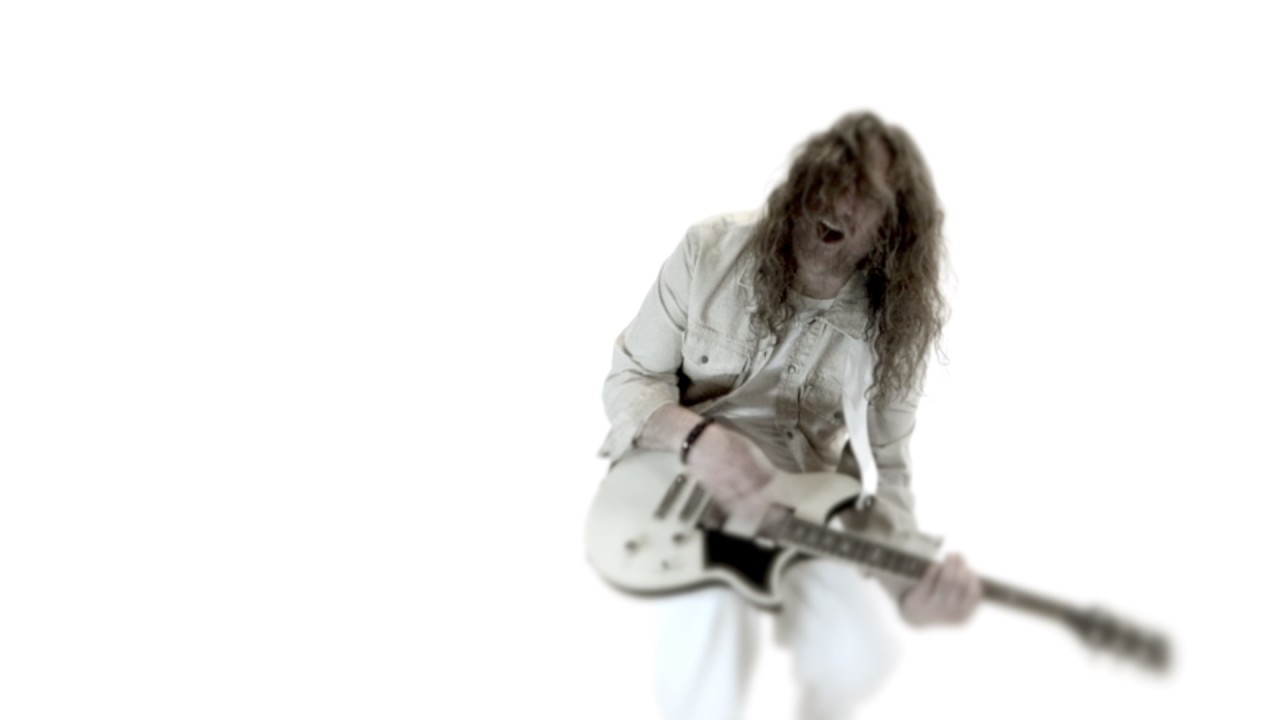
Elsewhere, there’s a full complement of virtuosic bass runs, drilling modern prog metal riffs, unconventional vocal phrasings and giddily veering time signatures. It’s a fantastic album that more than stands on its own merits. Beyond some superficial similarities in dynamics and vocals, it doesn’t particularly sound like Pain Of Salvation, but that shadow was always going to loom large when Gildenlöw turned back to the heavier side – especially as it also features current POS drummer Leo Margarit and a guest appearance from their former guitarist Daniel Magdič.
“It’s a blessing and a curse,” Gildenlöw says of his history. “I’m extremely proud of everything we did and I learned so much from it. But yeah, I think you’ll always be ‘the ex.’ In my case, I’ll always be Daniel’s younger brother and I’ll never be able to get out of that shadow. He’s so much better than I am: more talented, better music, better singer. Everything I can do, he can do 10 times better.”
That seems a harsh conclusion, given the quality of the younger Gildenlöw’s own body of work; but his feeling of being overshadowed isn’t a new sensation. “It was a weird, but also kind of magical time,” he says of his stint in POS. “I’m five years younger than my brother. It doesn’t matter now, but when you’re 17 and your brother is 22, that’s a huge difference. So I was always watching over my shoulders, like, ‘Okay, when’s the real bass player showing up? When will I be kicked out of the band?’ In the beginning it was like, ‘I love doing this, but am I good enough? Am I worthy enough? Am I just here temporarily till they find someone better?’”
As it turned out, he’d hold down that bassist role for 12 years, touring the world and playing on POS’s first five studio albums, including 2002 breakthrough Remedy Lane and sprawling theological follow-up BE. He was only asked to leave after his relocation to the Netherlands produced apparent logistical issues for the band.
“There was for years some bad blood between us as to how and when it happened,” he says today. “I moved in 2003. We played our last tour in 2005 and I had said, ‘Guys, if it’s not working, I’ll make this my last tour.’ They said, ‘No – no problem. We’ll make it work and we’ll start on the next album.’ I went to Sweden for Christmas and they played me a couple of the new songs and I was like, ‘Will you send them to me?’ But they didn’t send anything. They had a chat and gave me a call: ‘You’re out of the band.’ It was, ‘Damn it, guys! I could have left with a little bit more dignity than this.’”

Two decades down the road, Gildenlöw acknowledges the decision was probably best for both parties and says that his relationship with Daniel is in a much better place. “When I left the band, it definitely felt like I got my brother back as a brother,” he adds.
When it came to looking for assistance putting [Humanised] together, Margarit was one of a shortlist of two for the drum seat (Gildenlöw diplomatically declines to name the other). The pair had never overlapped in Pain Of Salvation, but had worked together previously on Within Temptation guitarist Ruud Jolie’s prog side-project, For All We Know. “I know a lot of great drummers,” Gildenlöw says, “but there has to be a little bit extra. There’s more jazz and fusion in there than hard rock and metal. It’s not going to be just a technical thing. It has to groove.
One side of humanity evolves and the other side doesn’t. I can get pessimistic, but there’s also a spark of hope
The multi-instrumentalist handled everything else himself apart from those guest solos from Magdič and Dutch newcomer Thijmen van der Meer. “The great Paul Coenradie, who’s in my live band, had done most of the solos until now. For Empty it was a no-brainer for him to do all those David Gilmour-ish kind of solos. But for this album I needed something with a little bit more history in metal to get the right tones and the right chops.”
The music for [Humanised] didn’t appear in a rush – some of the songs had been hanging around for years in a rudimentary form. Gildenlöw says he writes all the time, curating pieces that seem to fit together. It’s only then he starts thinking about lyrics and themes.
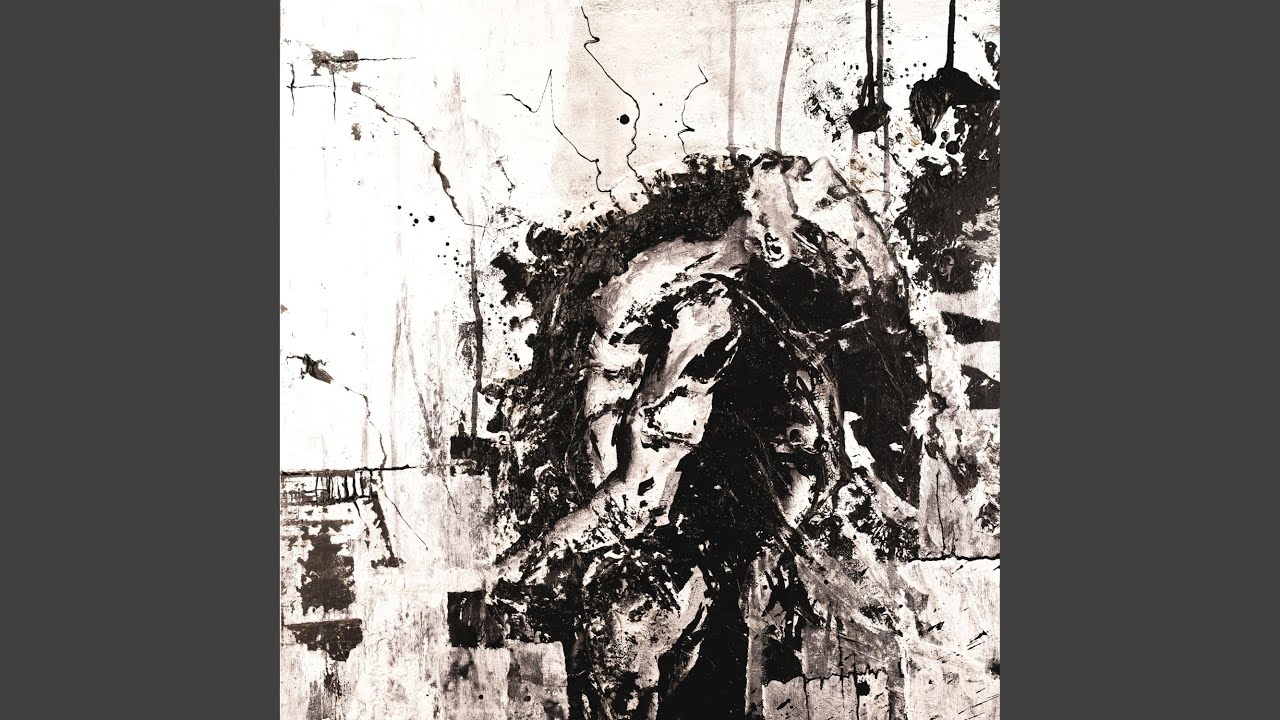
“I know where the song wants to take me musically, but lyrics are always the last thing I do. This album was the biggest journey for me because I tried so many themes to get it to work. Then I came up with the idea: ‘What is it like to be human, or become human?’ Binary is about a robot or some kind of AI acquiring human feelings – in this case, falling in love with a human girl on the other side of the computer. What is it like to be human but not accepted in this society; the people on the edge who don’t belong?”
These themes are channelled into songs that sputter with anxiety. But when it comes to the future of humanity itself, Gildenlöw remains cautiously optimistic. “On one side I’m extremely excited about what we have done. We just went past the Moon – how crazy is that? But then there’s war again, which we’ve been doing for thousands of years. One side of humanity evolves and the other side doesn’t. I can get pessimistic, but there’s also a spark of hope. I love being alive and being here with amazing people. And there’s always music to enjoy.”
[Humanised] is on sale now.
