




For Styx, seven was the magic number. The Chicago AOR band’s seventh album, The Grand Illusion, became the first of four consecutive triple- platinum albums that established Styx as one of America’s biggest rock acts. As guitarist James ‘JY’ Young says: “Seven is seen as a lucky number in America, and it sure proved lucky for us.”
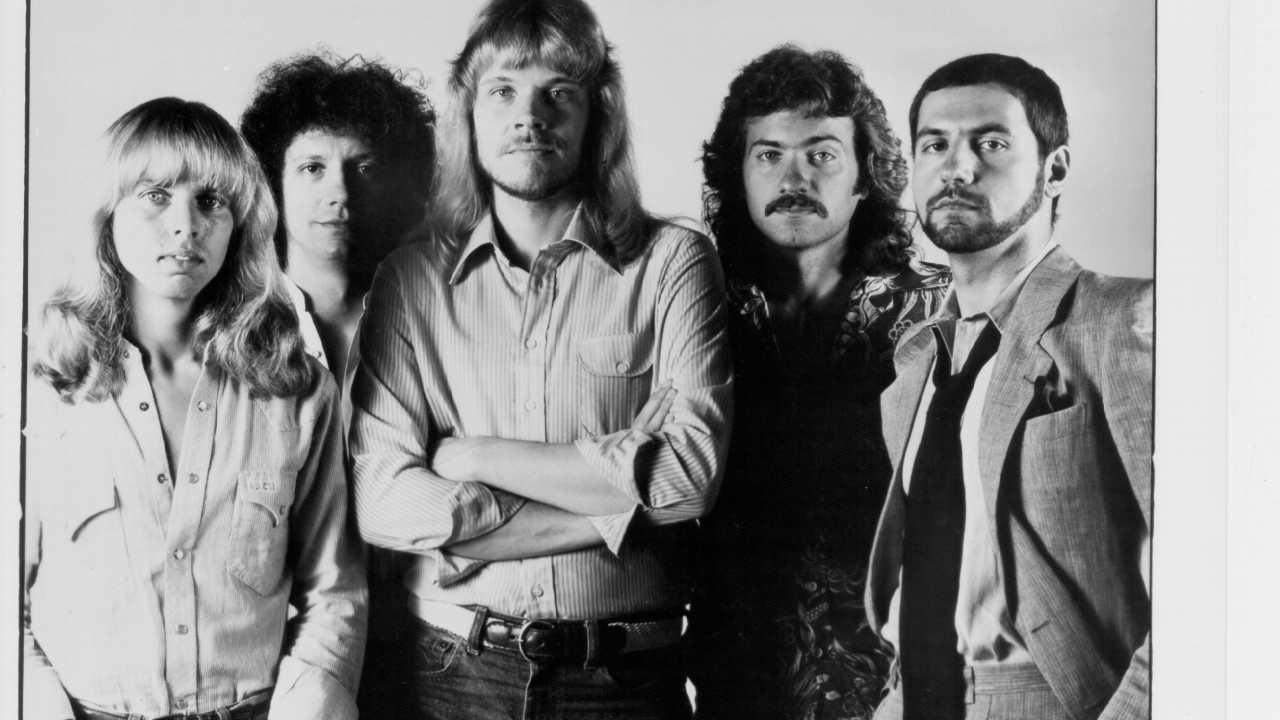
By 1977, Styx were primed for that big breakthrough. Having scored a top ten US hit with the ballad Lady in 1975, they signed with A&M. And with Tommy Shaw installed as the band’s second guitarist for 1976 album Crystal Ball, the definitive Styx line-up was in place – led by singer and pianist Dennis DeYoung. “Dennis was incredibly motivated,” says James Young. “He’d say: ‘We’re the best band on the planet, and that’s that!’ It used to make me laugh. But if you say something enough times, it sinks in.”
Buoyed by their leader’s visionary zeal, Styx recorded The Grand Illusion at Chicago’s Paragon Studios between short North American tours. And it was DeYoung who shaped the new songs into an existentialist concept album, themed on the struggle for meaning in life in an increasingly consumerist society. “A brilliant concept,” Young says. “A universal thing that everybody could relate to.”

Both Young and Shaw contributed songs to fit the concept, Shaw with Fooling Yourself (The Angry Young Man), and Young with Miss America. The latter, a heavy-rocking satire of the nation’s leading beauty contest, would be slammed by Rolling Stone magazine as ‘misogynistic’, but as Young explains: “I was experiencing fame for the first time myself, and I had sympathy for what every Miss America experiences – that fleeting fame. Rolling Stone was completely wide of the mark.”
- The 40 Best AOR Vocalists Of All-Time: 10-1
- Styx box set covers A&M years
- Styx - The Mission album review
Pivotal to the album’s success was DeYoung’s Come Sail Away, an epic power ballad ending with a prog-rock flourish. “It’s what Zeppelin perfected with Stairway To Heaven,” Young says. “Start slow and finish big.” Its story of a benevolent alien resonated with an American public that had lapped up Close Encounters Of The Third Kind. Come Sail Away hit the US top ten, and as Young explains with an apt phrase: “That was the big turning point – it shot us off into outer space.”
1977 was marked by two tragic events. “Elvis passed away,” Young recalls, “and the Skynyrd plane crash happened.” But for Styx, this was the year of their greatest triumph. “The Grand Illusion is by far our very best album,” Young says. “We were at our creative peak.”

