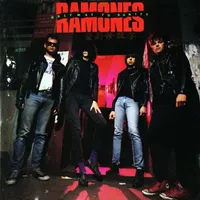




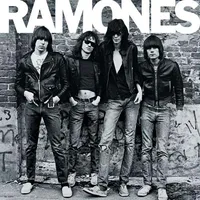
Trusting your instincts, and those of the people around you, was always a big part of Sire Records founder Seymour Stein’s professional code. In 1975, music journalists Lisa Robinson and Danny Fields tipped him off to a new band wowing punters in New York. Bed-ridden with a flu bug, Stein sent his wife Linda to CBGB instead. So enthused was she by what she saw, Stein booked the band into the studio the next day and signed them to Sire. And the Ramones began their journey into legend.
Stein founded Sire Productions in 1966 with songwriter/producer Richard Gottehrer. Their first signing was local NY combo Chain Reaction, whose singer Steven Tallarico would later find fame with Aerosmith as Steven Tyler. Stein and Gottehrer began as licensees, introducing underground UK and European bands, including Barclay James Harvest, Tomorrow and Focus, to the US market.
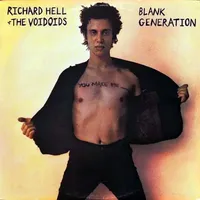
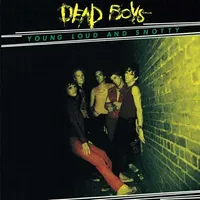
But it wasn’t until the mid-70s that Sire morphed into a standalone independent label, just as the CBGB scene started to explode. Believing the term ‘punk’ to be potentially damaging to sales figures, Stein instigated a ‘Don’t Call It Punk’ campaign, encouraging DJs to adopt the user-friendly moniker ‘new wave’. Besides the Ramones, among the key names he signed were Talking Heads, Dead Boys and The Undertones.
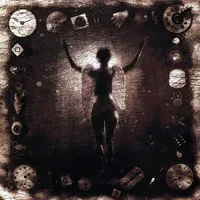
The 80s found Stein handling US releases for The Smiths, Depeche Mode and The Cure, as well as signing his most successful artist, Madonna, while laid up in hospital recovering from a heart infection. Madonna’s revenue stream in turn funded 90s releases by Dinosaur Jr., Belly and Ministry.
As part of his long association with Warner Bros, Stein was appointed president of Elektra Records in 1995, and Sire continued to operate as an imprint of Warners. Stein departed the label in 2018, after 51 years service. He died in 2023.
“Seymour was so smart to know that with good artists, you need to get out of the way and let them do their thing,” said Tina Weymouth, who recorded for Sire with Talking Heads and Tom Tom Club.
Similarly, the late Tommy Ramone once told Billboard: “One of the most important things that Seymour did for the Ramones was that he didn’t drop us. Seymour saw there was more to the Ramones than just record sales. He stood by us, and that was really important.”


...and one to avoid
You can trust Louder Our experienced team has worked for some of the biggest brands in music. From testing headphones to reviewing albums, our experts aim to create reviews you can trust. Find out more about how we review.