




I was born on October 19, 1996, which means I was released 19 months after The Bends was. It’s not an album I’m nostalgic for: I grew up in households where New Wave Of British Heavy Metal bands and 70s prog rock were near-constant soundtracks. I started discovering the modern acts in those genres and, as my tastes started expanding towards their more avant-garde fringes, I noticed more and more of my favourites citing influence from Radiohead.
I’d heard of Radiohead before, but only via the memes. I knew the jokes about their fan-base being pretentious adult virgins long before I knew even one of their lyrics. Eventually, though, this mysterious band’s impact on the music I loved – acknowledged by everyone from Leprous to Loathe – became too intense to ignore.
I started with OK Computer, familiar with its frequent anointment as one of the best albums ever made, and I liked it. Not as great as Gothic by Paradise Lost, I thought, but still very good. So then I stuck on The Bends and… fucking hell. That was the revelation.
As a junior-millennial rock fanatic, hearing The Bends felt tantamount to digging up the first fish who grew legs. So many of the bands who blew up during my youth – Muse, Coldplay, Snow Patrol, Kings Of Leon, even the bloody Darkness – suddenly had a common ancestor. And none of them did The Bends better than Radiohead did The Bends.
I have two enduring memories of my first listens. One is being taken aback by just how sad it was. Like, I knew that Radiohead were a sad band, but this was sad. This album’s just driven home from having its puppy put down only to accidentally hit its toddler in the driveway.
Although sad music’s always appealed to me (note the above Paradise Lost reference), the sheer desperation of Street Spirit (Fade Out) still stood out. Somehow, the song’s microscopic glimmer of hope made it all the more heart-rending, ending four minutes of arpeggiated chords, down-trodden wailing and ruminations on the pointlessness of life with one last-resort command: ‘Immerse your soul in love.’
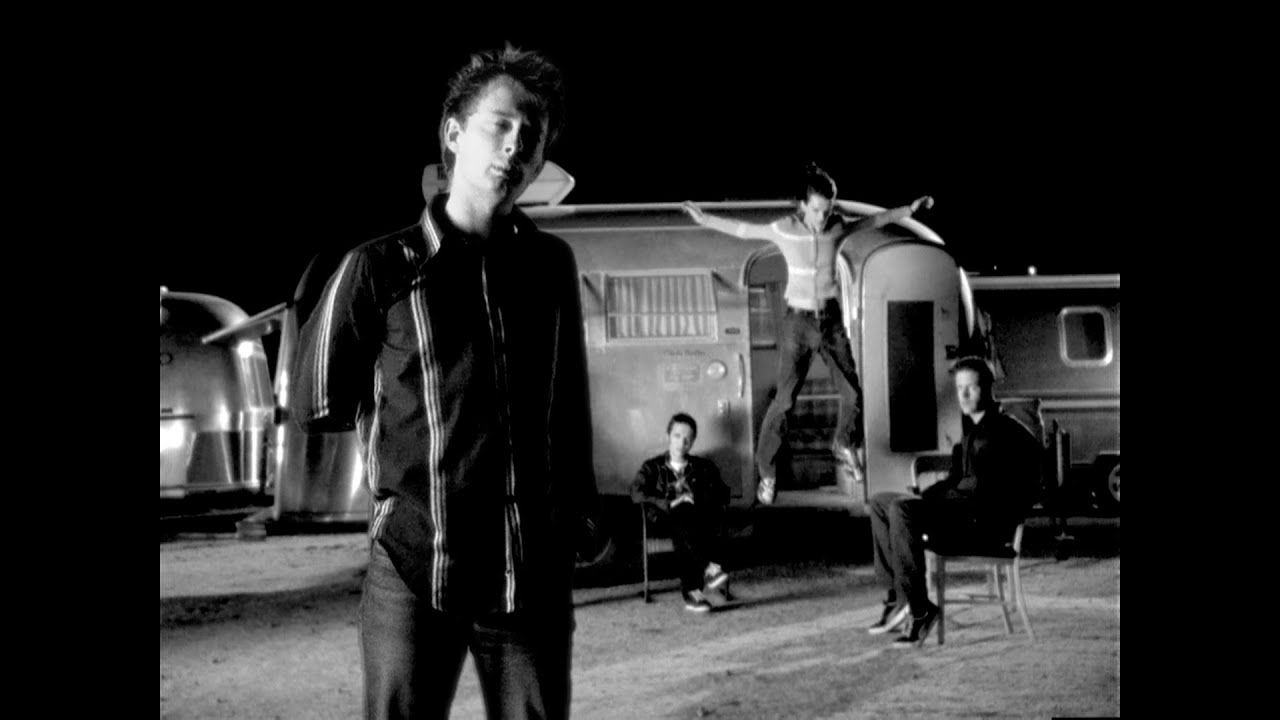
There was a similar, dying flicker in the black hole of Bullet Proof… I Wish I Was. Thom Yorke conveyed his desire to be stronger emotionally, yet did so in defeated solemnity, loosely strumming an acoustic guitar and half-singing/half-whispering as if he already knew that his dream was impossible. My Iron Lung also soundtracked positivity drowning in a quagmire, likening Radiohead’s breakthrough single Creep and the subsequent demand for another hit to a life-support machine: for all it did to sustain them, it hugely constrained their capabilities.
The second memory is of how, for all that sorrow, The Bends refused to simply slump down and sit still. There was a power and volume to the album that all those memes I saw never as much as hinted at. The title track was a cacophonously loud expression of stagnation, with even Yorke’s mightiest vocal cries getting overwhelmed by the distortion of Jonny Greenwood and Ed O’Brien’s guitars. Black Star – behind a chorus that so, so many of Radiohead’s acolytes have tried to replicate – built a wall of riffing that was just as impervious.
Other songs reserved their noise for crescendos, and these included some of the album’s biggest singles, High And Dry and Fake Plastic Trees. Their buzzing bridges and solos felt like climaxes to grand classical movements, a tactic that forged entire careers for This Will Destroy You, Maybeshewill and myriad others once the 2000s’ post-rock scene reached full steam. At the risk of sounding as wanky as I was once led to believe Radiohead’s fan-base was, it was an ingenious balance of freeness, strength and control.
In 2025, it’s almost tempting to laugh at how despondent Radiohead were 30 years ago. Oh, you thought life back then was bad? Try dolloping a climate crisis and the West’s increasing embrace of fascism on top of your problems! However, The Bends represents both a refined collection of music and an entire mood that has transcended its time. No matter when you listen to it, it will give your blues the most dynamic soundtrack.
OK Computer may be more acclaimed, Kid A may be more rebellious… but, when it comes to era-defining cues and versatile song craft, nothing Radiohead have done will ever beat The Bands for me.

