


Night’s falling over the Rimini coastline and it’s been a long few days for Soundgarden. The band have been snaking across Europe, playing their Louder Than Love shows in a mixture of clubs and small theatres, which will eventually culminate in a sold out show at London’s Astoria. Two nights ago, the brakes on the tour bus gave out as they were descending a steep mountain road. By the time they’d reached the bottom, the handbrake was a smoking mess, the bus perched precariously at the edge of a sheer drop. Imagine the end of The Italian Job, but with less gold bullion.
To compound their misery, drummer Matt Cameron is taken ill with suspected appendicitis the next day and, fleetingly, they think Chris Cornell might have to drum and sing at that night’s show in the northern Italian town, just as he did in the very early days of the band. We’re sitting in a hotel room that has bare concrete walls and steel bunk beds. Soundgarden might go on to much greater things, but for now they’re literally sleeping on top of one another in a room that looks like a cell. It’s the least of Cornell’s concerns.
“All the guys here keep grabbing my ass. Is it some Dionysian thing?” he asks. “I’ve got bruises.”
He is, to be fair, still rock-star gorgeous and on stage has taken to wearing nothing more than long shorts and Doc Marten boots. He’s olive-skinned and has hair that makes you want to ask him what shampoo he uses.
It’s a look quite at odds with the music they’ve made on Louder Than Love, their major-label debut for A&M, a sludgy sounding record filled with crashing nods towards Black Sabbath and Led Zeppelin. It’s arch, funny and self-aware. Big Dumb Sex addresses all the bands from the late 80s that would write about sex in their songs but never tackle it head on (sample lyric: ‘Hey I know what to do/I’m gonna fuck fuck fuck fuck you/Fuck you ya I know what to do’).
But Soundgarden were always a band with many sides: they had a tour manager called Eric, whom they christened Gunny Junk as a nod to the LA hair bands they’d almost unwittingly trodden into the ground, and they’d cover Spinal Tap and Cheech & Chong in their live shows. Guitarist Kim Thayil would happily discuss the metaphysical aspects of Viz comic characters as much as he would the local cultural nuances of whatever town they happened to find themselves in.

Most bands spent their days off in bars or hunkered down in their hotel rooms; Soundgarden once spent an afternoon fighting through the bush and undergrowth to get to the actual banks of the body of water that gave Salt Lake City its name. Little wonder, then, that history would bear out the fact that they were the most pivotal, enduring and interesting of the bands that broke out of the Pacific Northwest. Eventually, too, they’d become one of the most confounding and tragic.
One more vignette from that Italian trip: Chris Cornell leaving some venue and ripping down one of the band’s posters and tearing it into four pieces so he has something to write that night’s set-list on. He spends the next two days explaining to journalists that it wasn’t symbolic and it doesn’t signal the end of the band.
“Man,” he says one night as we sit on the bus, “I just needed something to write on.”
Douglas Hollis’s sculpture A Sound Garden overlooks Lake Washington in Seattle. Wait for the wind to pick up and the 12 steel towers emit long, understated tones as the pipes shift and turn at the whim of the passing currents of air. They’re strangely stark given the beautiful sounds they’re capable of making. After Cornell’s death it became an impromptu memorial to the singer. But for now it’s 1984, and Cornell and bassist Hiro Yamamoto are jamming with guitarist Kim Thayil. Cornell is still singing and drumming until Scott Sundquist joins to play drums.
“Seattle was pretty isolated in the eighties,” says Soundgarden and Pearl Jam drummer Matt Cameron. He was still playing in Skin Yard in 1986 when they and Soundgarden contributed songs to the now famous Deep Six compilation album – about as pivotal in its own way as Metal For Muthas was in broadening NWOBHM’s appeal. The album would do little in the way of sales until it was reissued in 1994, but it showcased a series of bands that were turning one corner of the Pacific Northwest into a rapidly expanding bubble of talent.
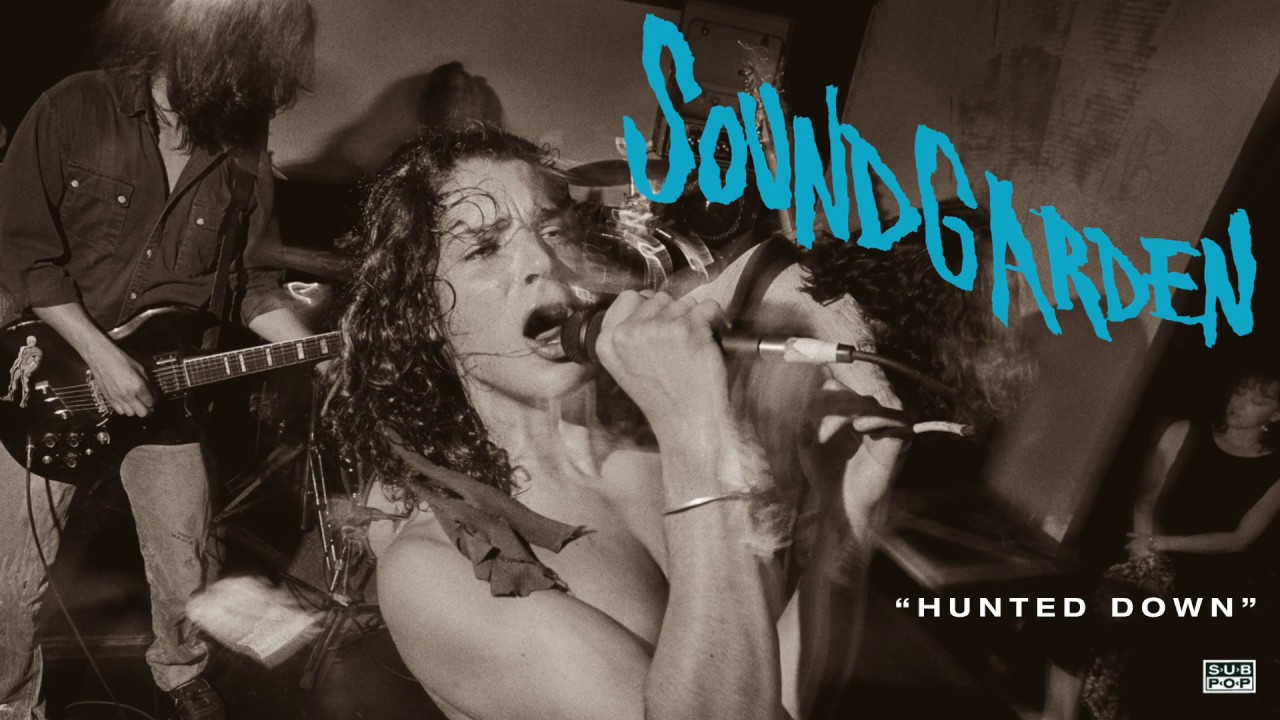
“When a lot of our bands were developing, we would go watch bands like The Melvins,” says Cameron. “Bands like that were as influential as any big stadium rock bands at the time. The environment was key to us. We all came from the eighties underground. That was a performance-based society. We had to get out there and play shows. There was no internet or YouTube so we had to prove it every night on stage.”
Cameron would join Soundgarden in time for their first Sub Pop EP, 1987’s Screaming Life. It was hardly the shot heard around the world, but the EP did pique the interest of major labels that were starting to look to the US north-west for inspiration. Screaming Life’s lead song, Hunted Down, was an early template of the sometimes mournful thunder that, juxtaposed with Cornell’s pained howl, would come to typify those early Soundgarden songs. The band, however, had no lofty ambitions.
“Absolutely not,” Cameron tells Classic Rock. “We were just living in the moment. We were all inspired to make music and create art. That was always the goal for me at least. I am in this to make good music. I think that was always the goal for all of us.”
Many years later, Chris Cornell is sitting across from me in a London hotel room. Soundgarden have reunited for 2012’s King Animal, and he’s talking about returning to Seattle and Soundgarden years after he left for Los Angeles.
We had to get out there and play shows. There was no internet or YouTube so we had to prove it every night on stage.
Matt Cameron
“I took my brother-in-law back up there with me,” he recalls. “He’s a screenwriter, and after a few days he couldn’t work, the city was getting to him – the low sky, the continual rain, this feeling that things are pressing down on you. I’d forgotten that feeling, or maybe I’d got used to it?”
In 1988, however, it was hard to hear that heavy weather in the music Soundgarden were making. They were on a creative tear with their cover of the Ohio Players’ Fopp, which can best be described as playful. Two months later they released their debut album Ultramega OK on the SST label. But despite their bold ideas, the results were a little thin. The songs were punchy and taut – Flower, All Your Lies and Beyond The Wheel would still make occasional appearances in their set decades later – but Drew Canulette’s production was at odds with the sound the band were trying to create. Even though they’d travelled south to Oregon only to record part of the album, it felt as alien as the sound they were hearing through the studio speakers.
“We left our home surroundings and people we’d been involved with, and used this producer that really did affect our album in a kind of negative way,” Cornell reflected years later. “He was a guy suggested by SST. I still regret it. In terms of material, it should have been one of the best records we ever did.”
It might not have been exactly what the band had envisioned, but Ultramega OK was enough of a progression at a time when the American college gig circuit was a viable step up out of the underground. REM had begun leapfrogging their way towards fame through those very halls, while the must-see show on MTV – once the preserve of lipstick, leather and lace in the shape of Headbangers Ball – was the indie showcase 120 Minutes, its polar opposite in terms of presentation and tone. Flower, an early proponent of what would become Soundgarden’s tropes (fuzz, Black Sabbath notes, Led Zeppelin’s posturing and a lovely swirl of psychedelic colours) became something of a staple on the MTV show.

Seattle was, to the outside world at least, starting to happen. Like almost every overnight success, the truth was actually years of unseen hard work: bands rising and falling, members jumping from one project to the next, trying to find that irresistible combination and connection, that lightning-in-a-bottle moment.
Cameron remembers the scene as something akin to a support system. “We were all fans of each other,” he remembers. “I think we learned from bands like Black Flag – we loved their whole music scene. We loved Minor Threat, we loved the Dischord scene. I think our mentors were all working in a way that we could relate with. We learned a lot from those groups.”
Bassist Ben Shepherd, who would join Soundgarden as the 90s began, had memories of the club scene in the mid-to-late-80s that were shot through an altogether darker prism.
“There wasn’t any fuckin’ community,” he says. “That’s where Hater [the band he’d later form with Cameron] came in. We were a different side of the track to all of those fuckers. The real history is that the A&R guy showed up on the wrong fuckin’ night. Instead he ends up signing Mother Love Bone, because they were there on the wrong night. That changed Seattle history right there.”
![Soundgarden - Flower [OFFICIAL VIDEO] - YouTube](https://img.youtube.com/vi/brOPaxbz1CU/maxresdefault.jpg)
In Rimini in the early summer of 1990, it was clear that things were changing. Soundgarden had finally signed to a majorl abel, Mother Love Bone singer (and Cornell’s friend and roommate) Andrew Wood had died – the tragic event that would become the catalyst for the Temple Of The Dog project – and original bassist Hiro Yamamoto had been replaced briefly by the stone-faced Jason Everman.
Nirvana’s Bleach album was making all sorts of waves internationally, and had turned Kurt Cobain into something of an alternative pin-up, much to the band and Kim Thayil’s bemusement.
“Do you think,” he said one evening as we were discussing Nirvana’s irresistible rise, “that some girl somewhere is looking at a poster of Kurt and asking, ‘Kurt, can you see me becoming a woman, growing…’” before emitting a sputtering laugh that covered us both in the froth of his beer.
Fame didn’t sit well with Soundgarden from the beginning. A few years later, Cornell would sit across from me in a hotel room much more salubrious than the cell-like space we shared in Italy. While happy that his band was growing in musicality and stature, he was mostly pleased by the fact that they had “sold half a million records and we can still walk down the street most places and not be recognised”.
The grunge term was just somebody’s joke about what was going on. Whoever came up with that did not understand what the music was about.
Ben Shepherd
But 1991 was about to turn Seattle and music on its head. Pearl Jam’s Ten, Nevermind and Soundgarden’s Badmotorfinger were all released within a month of each other. ‘Grunge’, a term none of those bands or their peers ever used, was the new buzz word.
“It was a label,” Cameron says with a shrug. “I don’t think Soundgarden is a grunge band, we’re more of an avant-garde metal band. Our band incorporated elements of many musical styles that were not rock. I think that set us apart from what was considered grunge. It was a convenient way to promote a group of bands that did have a similar sort of guitar sound. I think all of the big ‘grunge’ bands were pretty unique.”
“I always warned everyone about the grunge label,” Shepherd says. “Even that label comes from someone that didn’t understand what was going on. The grunge term was just somebody’s joke about what was going on. Whoever came up with that term wasn’t from Seattle. It was all about the mean-sounding guitars and somehow it got called grunge as a joke. Whoever came up with that did not understand what the music was about.”
Music had evolved, and the evolution graduated north along the West Coast. By 1991, even bands like Mötley Crüe were covering the Sex Pistols and releasing songs like the doomy Primal Scream. The Day-Glo, decadent 80s were a burned-out wreck at the side of the road, retreating into the distance in the rear-view mirror.

“Everyone remembers how horrible the eighties were,” says Shepherd. “There are just a few shining examples of good things that came out in the eighties, bands like Joy Division and Killing Joke. There was the American hardcore scene as well. But for the most part the music of the eighties was frosting on some mouldy cake. It was gross. The seventies had expression and freedom, there was a sense of humour and common sense in the seventies. That all disappeared in the eighties. The eighties were vacuous.”
“I remember Mark Arm from Mudhoney talking to me about Badmotorfinger,” Thayil recalled after the band had re-formed for 2012’s King Animal. “He was: ‘Hey man, I just heard your new record, it sounds like fucking Rush!’
“What can you do? Back in the day if people didn’t like us, they’d say they it was because we were these scruffy punk-rock dicks, or because we sounded too much like Black Sabbath or Led Zeppelin. And if they did like us, it was the same argument – it’s cool because they’re metal, or it’s cool because they come from this punk scene. I wish I could say we still didn’t get that sort of reaction, but that wouldn’t be true.”
Rush might be a stretch, but there was a clear willingness in Soundgarden to experiment and push in different directions musically. Badmotorfinger was, by the band’s own admission, faster and weirder, something they credited partially to the involvement of new guy Ben Shepherd.
“When I look back on it, I knew at the time that those guys were really cool letting me write,” the bassist said. “It was really flattering, but had I thought of it at the time I probably would have choked.”
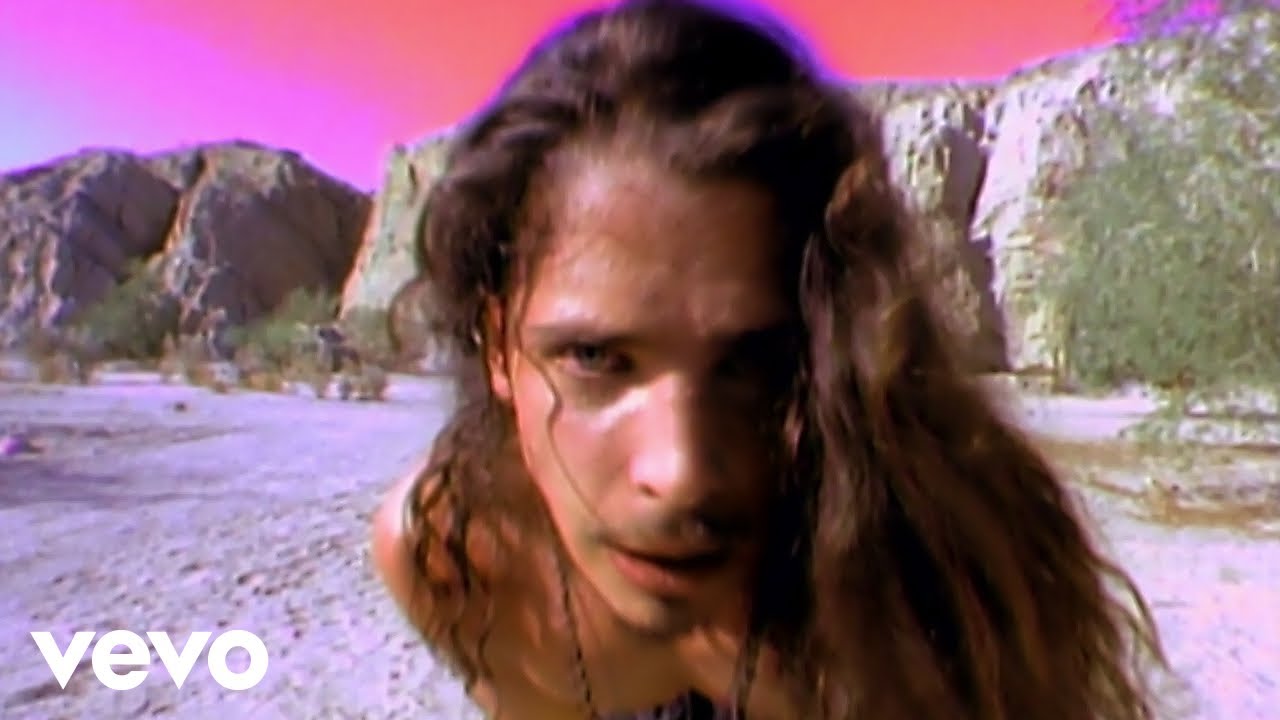
Badmotorfinger had invention (the relatively scant Face Pollution had a riff that folded in on itself and wouldn’t have sounded out of place in a Frank Zappa jam, especially given the discordant horns bleating away just beneath the surface), plus three radio and MTV video hits in the shape of Jesus Christ Pose (Cornell wandering the Californian desert, bare-chested and aflame with angst and anger, the shimmering blades of a wind farm chopping away high above his head), Outshined and Rusty Cage. The latter gained a creative second wind (and a huge nod of affirmation) when Johnny Cash chose to cover it on his 1996 album Unchained.
“I don’t know why Johnny chose to cover it,” Shepherd said while doing promotion for the King Animal album. “Probably because they’re bad-ass, truthful lyrics. Chris is a great writer, and Johnny could probably relate to that. If you read his books, Johnny always talked about how a singer has to sound like they’re telling the truth. It’s all about the truth. If you mean it, then it sounds right. If you don’t mean it, then you can tell it a mile away.”
Even though the 80s might have been smothered by the tsunami of new 90s music, two rock bands that had survived the tumult both invited Soundgarden to open for them: Skid Row (trying for some kind of reinvention themselves with their bruising Slave To The Grind album) and Guns N’ Roses on two legs of their mammoth and ultimately self-imploding Use Your Illusion tour.
“It wasn’t a lot of fun going out in front of forty thousand people for thirty-five minutes every day,” recalled Cornell. “Most of them hadn’t heard our songs and didn’t care about them.”
It did, however, help elevate both Soundgarden’s stature and sales figures, and in terms of musicality and scope Badmotorfinger was a million miles away from the relatively scratchy Ultramega OK. Which is what Ben Shepherd might have been referencing when he recalled Badmotorfinger’s success.
“I think it was successful on our end. I don’t know about there being a fanfare for it or anything. I remember being chided because it was supposed to come out the day Nirvana’s Nevermind came out, and all my Seattle friends were like: ‘You dicks, your album is out the same date as Nirvana.’ But the cover was messed up so we postponed it and put it out later. In comparison to other albums, it was a success for us. It was fun as hell to make. It was my first venture into the band and becoming part of the band.”
It was one of the most dramatic shifts in what we were doing musically. It was a time filled with a tremendous amount of pressure to prove who we were.
Chris Cornell on 'Superunknown'
It’s March 12, 1994, and inside the newly renovated Shepherd’s Bush Empire, everything still smells of fresh paint. The old BBC Theatre building has to be fully transformed for its opening night and surprise headliners. “That was the all-pervading smell when we loaded in – wet paint. I was afraid to put my guitar down anywhere,” Kim Thayil said in the bar afterwards.
It’s almost common knowledge that Soundgarden will be the first band to play the new venue, and that their latest album, released just a few days before, is called Superunknown. The fact that the record is already making serious waves will certainly be great news for the Empire’s marketing man.
The other revelation – one that even Time magazine considers to be newsworthy – is that Chris Cornell has cut his hair. But the most seismic shift of all is how unique and far-reaching the Superunknown album is.
“It was one of the most dramatic shifts in what we were doing musically. I don’t think I realised it at the time,” said Cornell later. “It was a time filled with a tremendous amount of pressure to prove who we were. I never felt bad about being lumped in with other Seattle bands. But I also felt like all of us were going to have to prove that we could also exist with autonomy. Superunknown was that for me. We had the responsibility to seize the moment, and I think we really did.”
And how. Andrew Wood’s ghost lay in Superunknown’s grooves. Like Suicide told of a robin with a broken neck that Cornell had dispatched with a brick to save it from its misery, and in the hazy nightmare of their Black Hole Sun video, Soundgarden truly crossed over as an international rock act. While the mood of the album was shrouded in shadows, Cornell insisted that it spoke to him, but not for him.
“It wasn’t an especially dark time, no more than usual,” he said. “I think I always struggled with depression and isolation. I think that was the mood of Seattle to me, and the way I always interpreted that mood was something that was always a little bit introspective and dark.”
Imagine some higher ground, walking towards it until you reach the plateau, and before you know it you’re walking back down the other side without realising that you’d already reached the high point you were aiming for. It’s easy to do. Bands do it all the time. With nine million records sold and an elongated world tour behind them, Soundgarden were starting to take the long road down.
One final moment from that Rimini road trip: driving through the last afternoon’s sunshine, the band (Everman aside) singing the opposing parts of Depeche Mode’s Master And Servant at each other, mocking Thayil as he opens yet another beer. There’s so much laughter. In the photo shoot, they hang all over each other, smiling.
It’s difficult to know where that initial spark goes with lovers, friends or bands. By the time of Down On The Upside, some of Soundgarden’s light had gone out. On their only self-produced album there were reports of studio infighting, arguments about the direction the band was going in. In an interview Cornell did for the album’s release, he was the reluctant interviewee, a drink in hand.
“I’m a drunk, but I’m not a bad drunk,” he told Spin. “Maybe I’m the worst kind of drunk because I don’t wake up in the morning and think: ‘Oh my god, I can’t believe I did that.’ Which allows me to continue to be a drunk. I think being a drunk is not a vice in a country where the government sells alcohol. A bigger vice would be not needing to be around people. That is the biggest vice – needing to be alone all the time.”
There was something similar in the air when I spoke to Cornell on the release of his first solo album, 1999’s Euphoria Morning. We were sitting in a hotel suite in London, it was 10 in the morning and the rail-thin Cornell, in a white vest, was smoking, and drinking what might not have been his first beer of the day as we reminisced about those early days of Soundgarden. Matt Cameron’s appendicitis (which turned out to be chronic food poisoning) came up and we both laughed, but there was a weariness to the reminiscing, as if we were talking about people we used to know and had since lost touch with.

In February 1997, Soundgarden played the final show on their Down On The Upside world tour, and what should have been a celebration ended in acrimony. Shepherd stalked off the stage after his speaker cabinet gave in, throwing his guitar in the air for good measure. It was a tour beset with stories of arguments, Cornell slowly coming undone, a band touring together but travelling apart. That night, the band left the stage and Cornell returned to encore as a solo artist. The die was cast. Two months later, Soundgarden had split.
It’s November 9, 2012, and Soundgarden have returned to Shepherd’s Bush Empire, the venue they opened 18 years earlier, this time to celebrate their King Animal album. It’s a reunion that is both magical and mistaken. The road to reunification began two years earlier. On January 1, 2010, a Twitter post from Cornell to encourage people to sign up to a website for Soundgarden updates set the internet alight with rumours about the band’s return.
“The only reason we put that out there was that we’d got back together to sort out the business end of Soundgarden, to look at ways of reinventing the catalogue and merch, that sort of thing,” Kim Thayil told me at the Shepherd’s Bush Empire show.”
While that’s a less poetic starting point than one might have wished for, the results were as thrilling and charged as one might have hoped. King Animal was a vibrant yet doomy record that sparked with life. Between the electric Been Away Too Long and the mournful Bones Of Birds (‘Time is my friend, till it ain’t, and runs out’), the familiar Soundgarden tropes were in place. The Empire show too was revelatory – even for Thayil.

“We didn’t realise what it meant to our fans,” he said. “It felt really good on stage, but it wasn’t until later that I realised. I don’t want to be presumptuous – people told me later what it meant to them.”
Cornell was out of rehab, had re-grown his hair, and while still slight he looked energised and happy on stage. There were more shows, a box set in 2014 in the shape of Echo Of Miles: Scattered Tracks Across The Path, and in 2016 the band were back in the studio, rumoured to be working up an album to follow King Animal. That summer, Shepherd said the band had six songs in the can with more writing to come. And then… Well, everyone knows how this story ends.
On May 17, after a show with Soundgarden at the Fox Theatre in Detroit, Chris Cornell returned to his hotel room at the MGM Grand. At a quarter past midnight, he was unconscious on the floor of his bathroom, an exercise band around his neck, blood in his mouth. Seventy-five minutes after that, he was pronounced dead. And that’s enough about what lay beyond that bathroom door and what drove Chris Cornell off that stage and into his hotel room, away from his band and his loved ones, and into the arms of his fate.
The music still rings and resonates – bleak, heartfelt, electrifying, emotional and sometimes funny. Thirty-something years have come and gone. The band that denied grunge and yet helped shape it, Seattle’s defining star, Soundgarden, now in the past and yet forever.
Originally published in Classic Rock issue 252 (August 2018)

