


Born in Montana in 1963, Jeff Ament dropped out of his graphic design course at the University of Montana in 1983 and moved to Seattle with his hardcore punk band Deranged Diction: when that band split in June ’84, he was recruited by Mark Arm, Steve Turner and Alex Vincent to play bass in their new band Green River.
Four decades later, best known as the bassist in Pearl Jam, Ament remains one of the lynchpins of the Pacific North-West music community, with a storied CV bearing testament both to his central role in the development of the ‘grunge’ movement and to the restless creative urges which have compelled him to collaborate with a broad variety of his musical peers.
In 2016 he walked us through some of classic albums he has played on.

Green River - Come On Down (Homestead, 1985)
“It’s funny because people look back at this record as this rough, raw, punk sound, but we actually demoed these songs maybe three times before we went in to do this session, which is a lot considering that back then we were all washing dishes and doing whatever just to pay for the studio time. I’d actually forgotten this myself, but just recently a guy down in Portland at Jackpot Records who Steve Turner is friends with found some demos we’d made right before Stone [Gossard] joined the band and they’re much more raw and rough, because we’d only been a band for a few weeks.
“For Come On Down we went to a studio called Crow in Wallingford, where The U-Men had made a record which we thought sounded really good, and for Seattle it was expensive, maybe three times as expensive as Reciprocal say. We were in for three or four days, with a twelve hour slot each day, and we used every minute of it. The downside of that record though was that it was supposed to come out before this tour we had booked across the Mid-West and East Coast – a tour I booked by phoning people like Steve Albini and Chuck Dukowski from Black Flag and Corey Rusk from Touch and Go - but we ended up having to do the whole tour without it being out, and that was a real bummer.
“We played gigs with Samhain and Big Black and Das Damen, maybe only seven shows in three weeks, but it seemed epic, because it was the first time any of us had been to New York or Boston or Detroit. So getting copies of the EP after the tour seemed anti-climactic. When we got back together again a few years ago to play a handful of shows I really loved playing New God and Swallow My Pride, so they’re probably the two songs that I look back upon most fondly.”
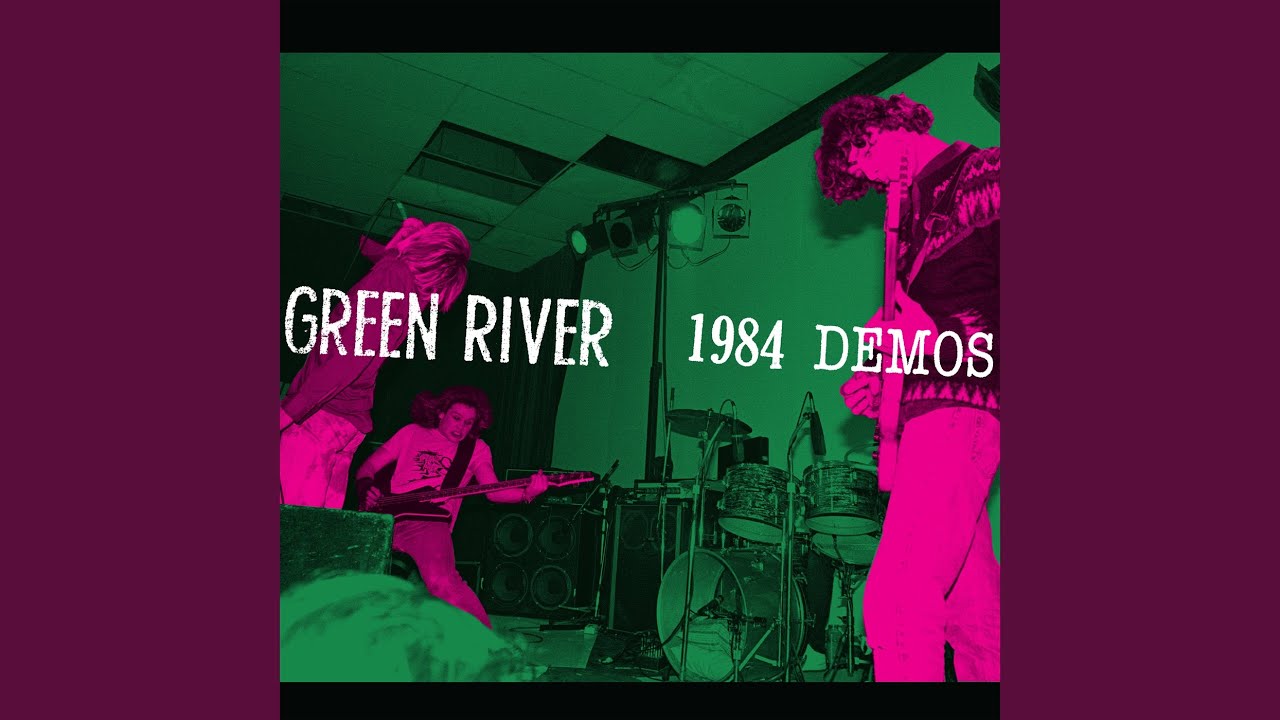
Mother Love Bone - Apple (Stardog/Mercury, 1990)
“The Mother Love Bone buzz really kicked in when I sent a tape out to some people on the West Coast because we wanted to do some shows . One went to Dale Gloria who booked shows in Los Angeles and she passed the tape along to a lady who at the time was working for Slash, but got a job at Geffen within a matter of weeks. So within six weeks of the band playing music together we had a demo deal from Geffen, and from there we had about 15 labels come to see us in Seattle. At the start they were talking $150,000 deals and then it went crazy and by the end of the process we were being offered $400,000…at a time when we were maybe making $500 a month at a restaurant.
“We’d spent maybe $2000 on Green River and suddenly we were being told we could spend $250,000 on our first Mother Love Bone record, and we were thinking, ‘How is that possible?’ We soon found out, by making demos with all kinds of producers in expensive studios! By the time we made the record with Terry Date those songs were already almost two and a half years old, and we’d lost a bit of the fire that we had initially and we’d built up a lot of pressure within ourselves.
“And then we finished it and were all psyched up and then Andy [Wood, MLB vocalist] passed away and that was that, it was over. The success we enjoyed afterwards with Pearl Jam was a little bit bittersweet because our friend didn’t get to come along.”
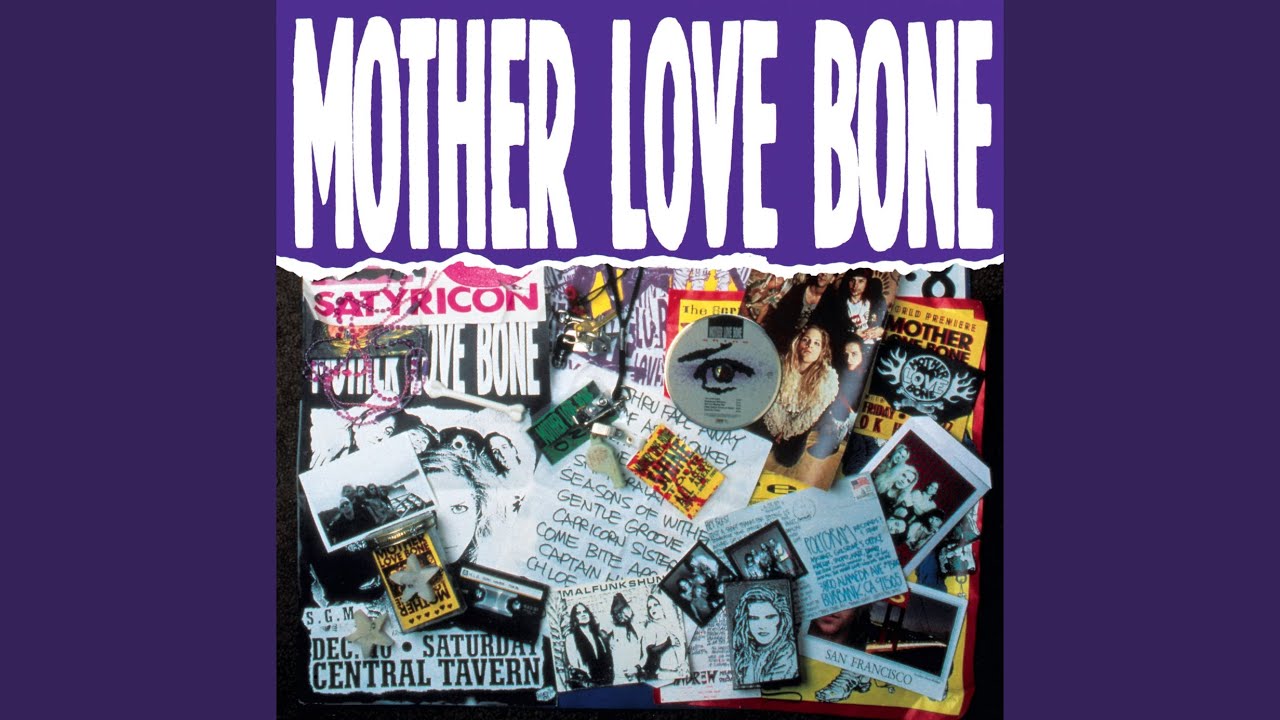
Temple of the Dog - Temple of the Dog (A&M, 1991)
“I knew the Soundgarden guys, as our bands played together, but we lived in different neighbourhoods so it wasn’t like we were best friends. But after Andy [Wood] died I started hanging out with Chris [Cornell] a lot, as we were both kinda trying to make sense of what had happened. We’d go out on our mountain bikes and ride through Discovery Park, or down to the beach, and we’d make a fire on the beach and sit there with a mickey of cognac or whiskey and sometimes we’d end up talking about Andy, and we became buddies.
“He had a couple of songs, and he gave me a tape of them, which I listened to with Stone and we were like, ‘Oh my God, these songs are amazing.’ Chris called us and said, ‘Hey, would you want to record these songs with me?’ and we said we’d be honoured to, but I said, I don’t really know how much we need to add, because these demos are beautiful. By the time we went into the studio he had a couple more songs, and we had a couple of riffs, and over the course of a week we just knocked this record out, with zero pressure and no expectations and and no-one telling anyone else what to play.
“It was a cathartic exercise in us trying to understand our friend’s death, and I still think it’s one of the listenable records that I’ve ever played on, and Stone would probably say the same thing. I also think it showed Chris that he could write songs in different ways with different people, and in some ways it was a crossroads for us all.”
Pearl Jam - Ten (Epic, 1991)
“In some ways Stone and I are the most unlikely couple to have made our way together through all these groups, but I think we share a musical language and we can both facilitate the other’s ideas. We got our demo to Eddie [Vedder] and he and I would speak on the phone every day about music we liked and books that we liked and when he sent the demo back to my apartment I listened to it and thought ‘This is the guy I’ve wanted to be in a band with my whole life.’
“When he came up to Seattle we just hit it hard, knocking out eight or nine songs in the studio and playing a show, and it just felt like this band had something. Obviously by then we had some experience of making records so we went to Sony and said ‘This is how we’re going to make the record and this is how we’re going to spend our money’, and they said, ‘Okay.’
“I think we spent about $25,000 making the record and about three times that mixing it, but it was still a third of the money that we’d spent making the Mother Love Bone record. We didn’t expect the record to be a huge deal. But I guess it kinda became one.”
Neil Young - Mirrorball (Reprise/Epic, 1995)
“We learned some much from just being around Neil Young. This record was a little bit like Temple of the Dog in that Neil originally said he’d got four songs and we spent two days knocking those out, but then at the end of the second day he said ‘Hey, I have the beginnings of another song and I think I can go back to the hotel and knock out another one, so maybe we could record a couple more tomorrow?’
“So we came back the next day and he had two more songs ready, and then the next days he had two more songs. I actually had the flu for the last two days of that recording session, and quite honestly there’s songs on that record that I don’t even remember playing on because I was so sick. But this was probably the first time since our earliest projects that we weren’t super precious about everything, because Neil never wanted us to be perfect: he would get us to do two or three versions of each song, and he’d always like the first take best. So the record is mostly first takes.
“There’s a few songs that I listen to now and think ‘Oh man, I wish we could have had a whole day on that’, but it was such a whirlwind recording. In some ways the record was about Neil coming to terms with Kurt Cobain's death, so obviously there’s some parallels there too to Temple of the Dog, they’re like sister albums in a way. And touring that record with Neil was probably the most fun tour I’ve ever done, it was a real dream.”

