

An American man has pleaded guilty to defrauding musicians and global music streaming platforms out of millions of dollars via the AI creation of hundreds of thousands of songs which were streamed billions of times by automated 'bots' he set up.
Michael Smith, 54, of Cornelius, North Carolina, admitted one count of conspiracy to commit wire fraud, which carries a maximum sentence of five years in prison. He will learn his sentence in July. Smith also agreed to pay back royalties of $8,091,843.64 obtained fraudulently.
Smith set up thousands of accounts on streaming platforms and created software to continuously stream hundreds of thousands of fake songs that he generated via AI.
Explaining the exact nature of Smith's offence and how it was perpetrated, a statement on the Department of Justice website reads: "Music can be streamed through music streaming platforms such as Amazon Music, Apple Music, Spotify, and YouTube Music (the 'Streaming Platforms'). Each time a song is streamed through one of the Streaming Platforms, the songwriter who composed the song, the musician who performed it, and in certain cases other rights holders, are entitled to small royalty payments.
"Royalty payments are made proportionately to musicians and songwriters from a pool of funds. As a result, streaming fraud diverts funds from musicians and songwriters whose songs were legitimately streamed by real consumers to those who use automation to falsely create the appearance of legitimate streaming."
“Michael Smith generated thousands of fake songs using artificial intelligence and then streamed those fake songs billions of times,” US Attorney Jay Clayton said in a statement posted on the Department of Justice website.
“Although the songs and listeners were fake, the millions of dollars Smith stole was real. Millions of dollars in royalties that Smith diverted from real, deserving artists and rights holders. Smith’s brazen scheme is over, as he stands convicted of a federal crime for his AI-assisted fraud.”
According to the American music industry 'bible' Billboard, the AI music generator platform Suno generates seven million songs per day. And according to The Guardian, the streaming site Deezer has 60,000 fully AI-generated tracks delivered daily.
Interviewed by Billboard last week, Suno's chief music officer Paul Sinclair admitted, "Every day I wake up and I’m like, Don’t ruin music. Truly, every single day I’m conflicted. This shit is complicated."
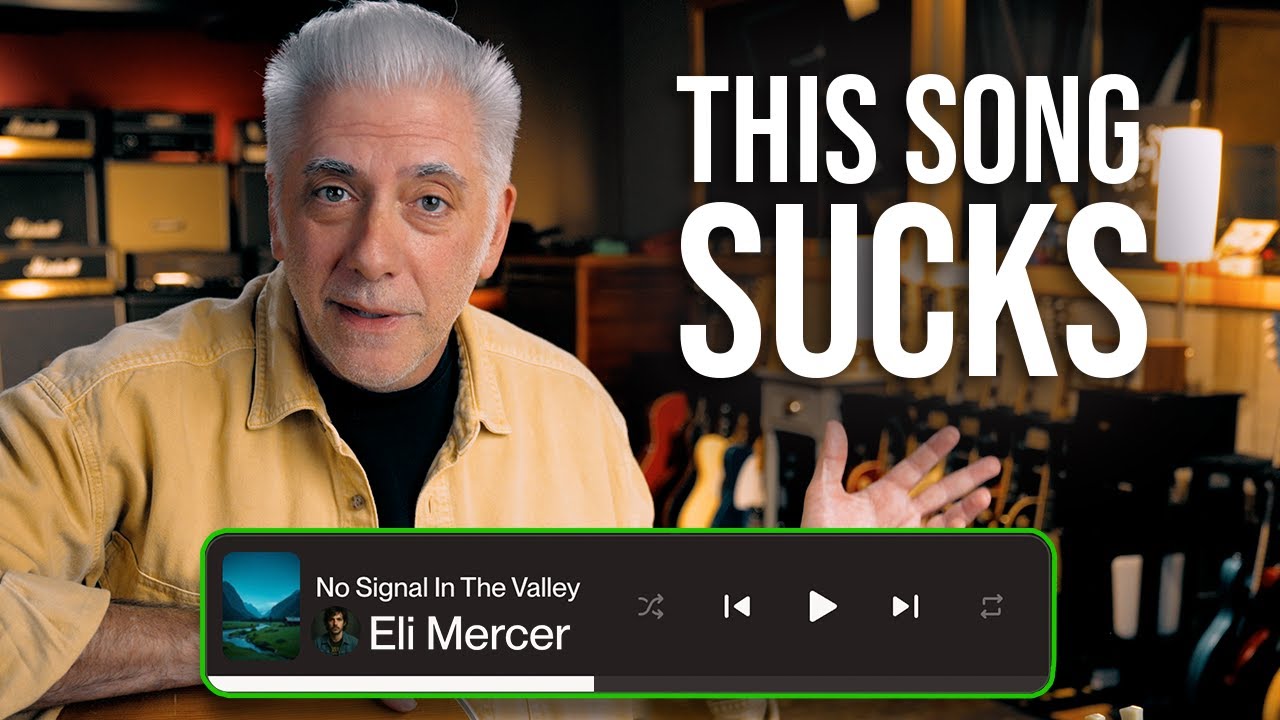
This video from popular YouTuber Rick Beato shows exactly how easy it is to generate a fake artist with fake songs using AI.