


Following up 1978’s career-changing At Budokan was never going to be much of a problem for Cheap Trick – given that they’d actually recorded the material for Dream Police before their live album was released.
“Dream Police was ready to go when …Budokan came out,” guitarist Rick Nielsen said. “We held it back because …Budokan was so successful.”
Nice problems to have. Dream Police was the band’s fourth studio album in three years. They might have fallen into the 80s as awkwardly as a drunk going through a shop window, but in 1979, buoyed by their massive-selling live album and with Nielsen’s songwriting still as sharp as a tack – it seemed almost inevitable that Dream Police would make bona fide rock stars of Cheap Trick.
Commercially it’s still their most successful studio record (No.6 in the US Billboard chart). It’s also arguably the last great album they made, and it was certainly the last time they’d work with producer Tom Werman.

Dream Police was ready to go when At Budokan came out. We held it back because At Budokan was so successful.
Rick Nielsen
On first glance at the album cover, you’d be forgiven for thinking that the band dressed up as ice-cream sellers. But that’s quickly forgotten when the title track bursts into life and encapsulates everything that is brilliant about Cheap Trick: inventive, orchestrated, brimming with melody and ever so slightly nuts. Whimsy and immediacy are hard to get right, but Dream Police’s startling opener drags you right in, buoyed along happily by the stab of orchestral strings – a first for the band.
“When I wrote it, it needed more instrumentation,” said Nielsen, “more than just guitar, bass, and drums. So it had that keyboard like we had in Surrender, but if you can use an orchestra to do it… It’s an orchestral part that I wrote, so it was like, let’s book an orchestra. We’d never worked with one before, but we thought it was a good idea. And I still think it is.”
Rolling Stone magazine was less impressed. Dave Marsh’s review from the time singled out Dream Police as “sour, jaundiced and self-important”, then really put the boot in describing the chiming Voices as, remarkably, “a ballad from a band that has absolutely no facility for ballads, [it] is disastrous”.
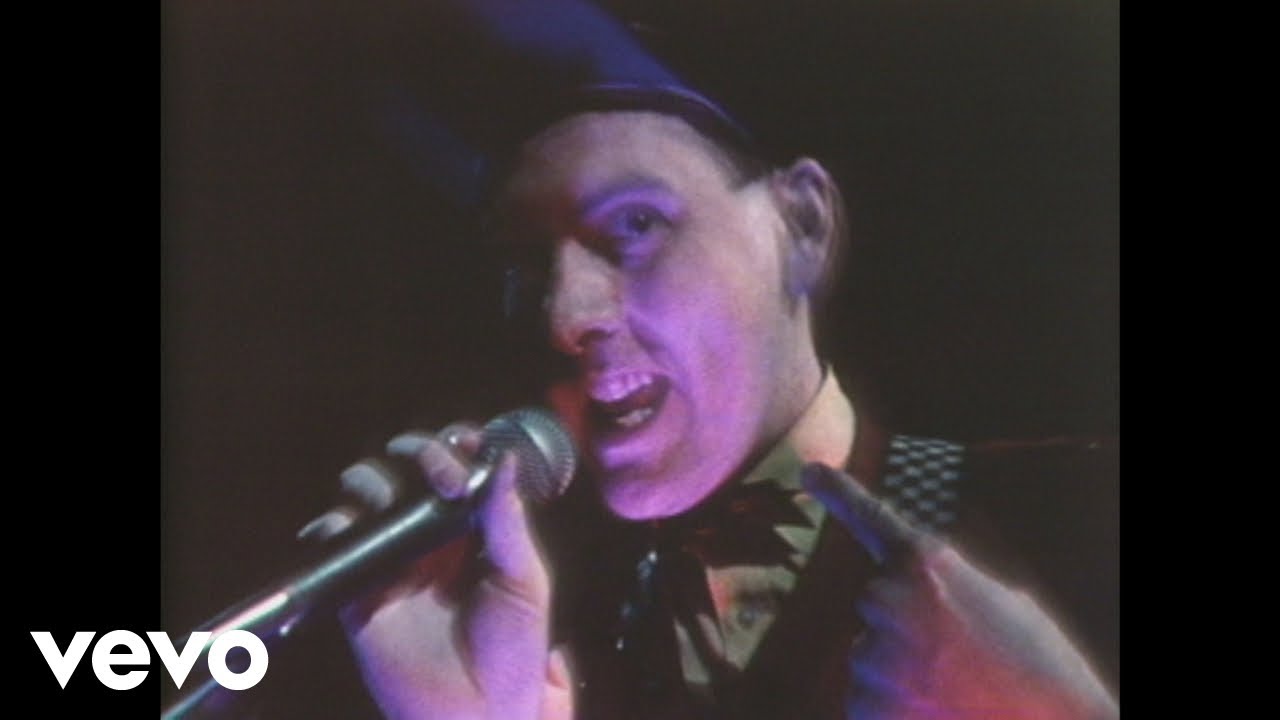
Marsh’s palpitations aside, Voices was the work of a band moving their signature sound forward. “We started off with the chorus, as opposed to building up to the chorus,” said Nielsen. “It’s the same thing with Dream Police, you hear voices in your head or somebody’s messing with your brain. It’s like you didn’t know what you were listening for until you heard the voices. Somebody, your mind’s eye, has some talking to do to you.”
Elsewhere, Nielsen flexed his Beatles muscles beautifully with songs like I’ll Be With You Tonight, which borrowed liberally from Day Tripper, and the raucous The House Is Rockin’ (With Domestic Problems), although, in retrospect, at nine minutes long Gonna Raise Hell might have overstayed its welcome.
As the 80s dawned, bassist Tom Petersson quit the band, their own label sued them, and Cheap Trick would stumble from one undercooked AOR-light album (not least the risible The Doctor) to the next, with Epic Records insisting they work with outside writers. Petersson returned in time for the platinum-selling Lap Of Luxury just as the decade was coming to an end.
That was all to come, however. In 1979 it was hard to quibble with the rousing, celebratory pop smash that was Dream Police. And, all these years later, it’s still ringing.
