


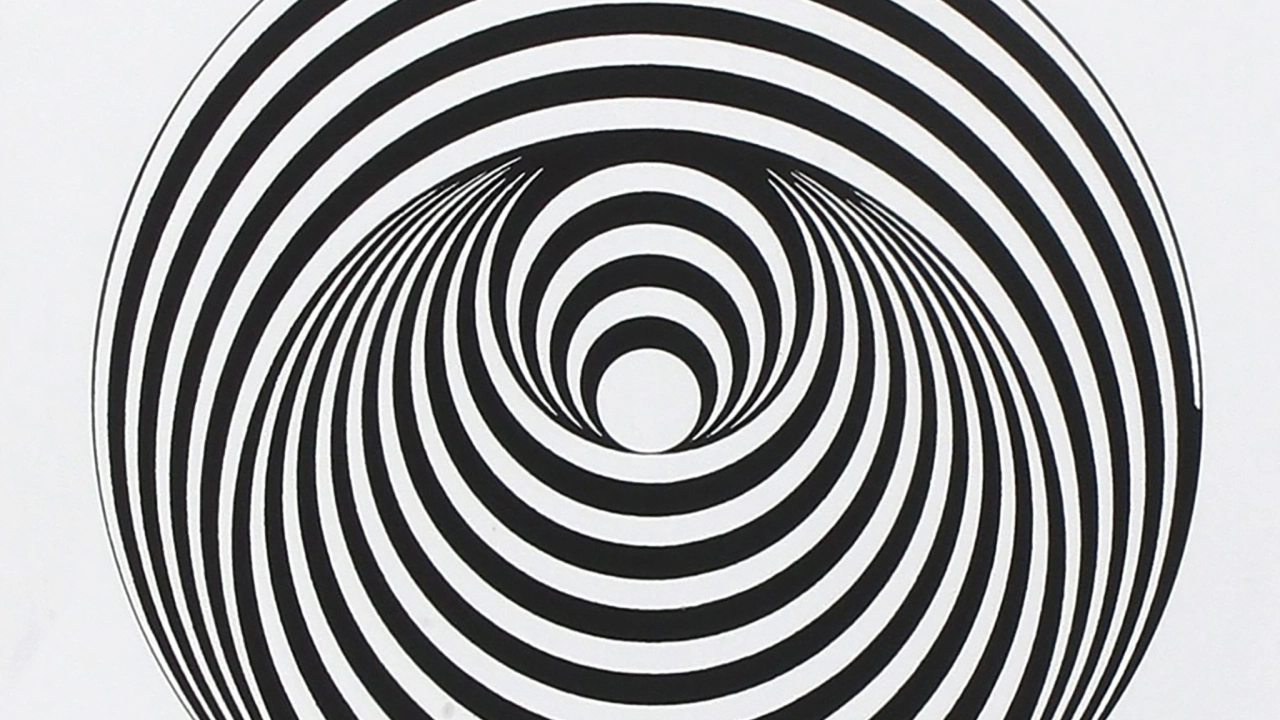
Time Machine: A Vertigo Retrospective (Vertigo, 2005)
Updating the earlier Still Dizzy After All These Years compilation, Time Machine covers the label’s golden years between 1969 and 1973. This 41-track retrospective contains all the songs you know and love, and all the artists you’d only read about and wondered what they sounded like. The place to begin.

Colosseum: The Kettle (Valentyne Suite, 1969)
The first track from the first release on Vertigo, and the drum-heavy jazzy groove is a perfect opening statement. Picking up where Cream left off with its wild riffing, way-out solos and oblique meaning, it sent out a confident message and showcased everything Vertigo intended to be.

Black Sabbath: Paranoid (Paranoid, 1970)
This is simply unavoidable when talking about Vertigo’s history. In many respects, the mega-selling Black Sabbath embodied the mainstream aspect of the label, and this will always be their most well-known song. The label’s seventh single release, Paranoid reached Number Four in the UK and Number 61 in the US in late 1970.

Gentle Giant: Black Cat (Acquiring The Taste, 1971)
Produced by Tony Visconti, this slinky, soulful track proves that Gentle Giant were the ultimate ‘difficult to pin down’ group. “It is our goal to expand the frontiers of contemporary music at the risk of being very unpopular,” said Visconti in their debut album’s sleevenotes – which, as he later noted, became a self-fulfilling prophecy.

Aphrodite’s Child: The Four Horsemen (666, 1972)
Recorded under the influence of the Turkish drink salep, The Four Horsemen demonstrates the songwriting prowess of the band’s keyboard player Vangelis, and the vocal ability of soon-to-be easy listening phenomenon Demis Roussos.

The Sensational Alex Harvey Band: The Faith Healer (Next, 1973)
The 37-year-old rock/soul journeyman Alex Harvey found an ideal home at Vertigo for his unique blend of theatricality and malevolence. Harvey’s music borrowed from many different genres but never sounded like anyone else. From the album that introduced the world to his alter-ego Vambo, The Faith Healer, featuring keyboard player Hugh McKenna’s ‘tootlebug drone’, still sounds as fresh as ever.

Kraftwerk: Autobahn (Autobahn, 1974)
The final selection from Vertigo’s golden age is one of the most influential records in popular music – truly progressive rock, if you will. The 22-minute title track of this Düsseldorf outfit’s fourth album was edited down to three and a half minutes and became a Transatlantic hit, inspiring a generation of performers for whom acoustic instruments would soon become anathema.

