


A free-spirited gang of underdogs who championed social causes and aligned themselves to the travelling community, Levellers were a fast-rising force come the mid-90s. The band’s heady brand of anarcho folk-punk hit its commercial peak with 1995’s Zeitgeist, their fourth album, due in no small part to the inclusion of open-hearted street anthems like Hope Street.
Released as a lead-off single that July, Hope Street is a song for the dispossessed and the forgotten, for all those struggling in the slipstream of economic progress. It’s peopled by outcasts, addicts, vagrants and gamblers.
“I was living in Hove and travelling into Brighton every day to record Zeitgeist,” says lyricist and bass player Jeremy Cunningham. “And Hope Street was a kind of heightened version of what I saw walking down the street. It’s actually based on Western Road, which runs the length of Brighton into Hove. But the song is called Hope Street because there’s a Hope Street in almost every town or city
“I’m a mad Smiths fan,” he continues, “and I really wanted to write some words that were a bit more observational, like Morrissey did. So it’s me having a go at telling that story. At that point, the council was trying to lift homeless people off the streets and then ship them off to the edge of town. The idea being that it would take them about a day to walk back in again. But at least they were off the streets for that short time. Then they’d lift them again when they finally made it in. So that’s kind of a big part of the song: ‘No old faces out today/ Someone took them all away.’”
It’s not all relentlessly grim. Mindful of his natural predilection for a downbeat lyric, Cunningham tempered the tale with a chorus that suggested all was not lost: ‘Rain on me come pouring down, clean the dirt off this old town/Tell the sun to come around, and show his face on Hope Street.’ ‘Hope’ being the operative word.
“I didn’t just want it to be about how miserable everything is,” he explains, “which is why I tried to bring the sunshine stuff into it, to make it more uplifting.”
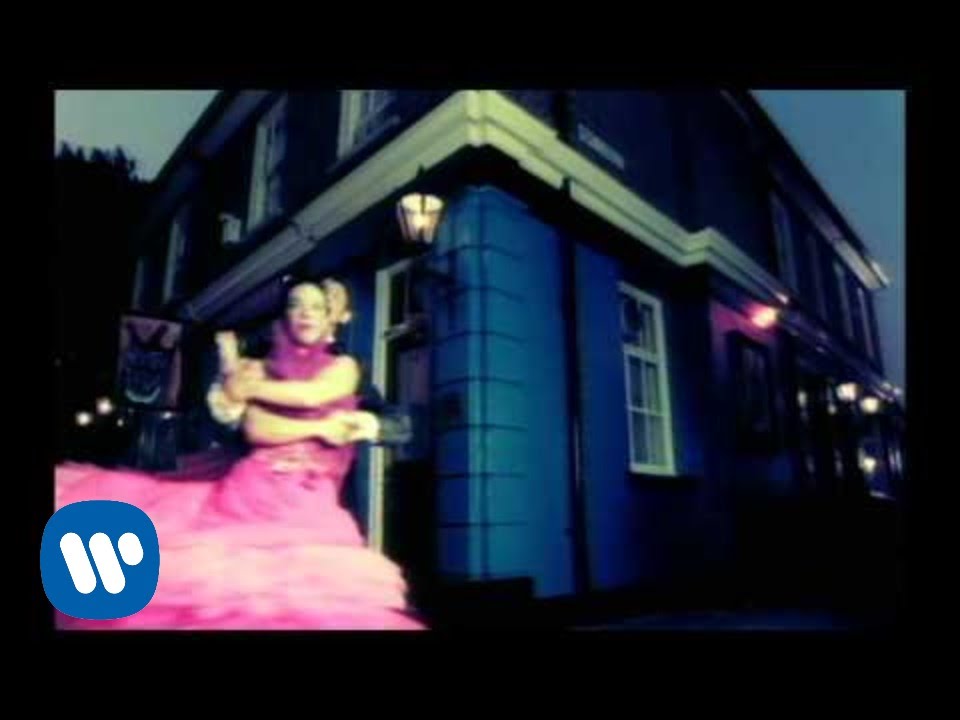
Cunningham sat on the lyrics for a while before eventually taking them to his bandmates. Guitarist Simon Friend came back with a tune rooted in traditional shanty folk, but with a surging chorus. Singer Mark Chadwick and fiddle player Jonathan Sevink then did a spot of “finessing, making everything fit together really well. They do a lot of that”.
Hope Street boasts a fiercely rocky intro that reappears throughout, leading to a grandstanding finale that finds Levellers operating at full steam.
“At the time, we were listening to a lot of Led Zeppelin,” Cunningham recalls. “They’re Mark’s favourite band, so he was more than keen to get that riff in there. And Charlie [Heather]’s drums were recorded on the massive concrete staircase in the Metway, an old converted Victorian brewery which is our headquarters in Brighton. We put the kit out there, mic’d it up, and it just sounded immense. That was all down to Al Scott, our producer, suggesting that. He’s quite aggressive in his production, which I really like.”
Hope Street was written while Levellers had already begun recording Zeitgeist. The first demo, as heard on the newly expanded 30th anniversary version of the album, reveals its gestation. The original opening line was ‘There’s a young boy sniffing glue…’, later amended to ‘There’s a young boy in the queue…’ So why the alteration?
“After hearing it a few times on playback, I just thought people would think it was a negative intro,” reasons Cunningham. “But I wrote it because that’s what I saw. There was a guy there sniffing glue. And it is a great line. If it had come up later on in the song, I think it would’ve been all right. But not as the first line. A lot of people who’ve heard the demo have asked if the record company told us to change it, but no, it had nothing to do with them. Although I’m sure they did breathe a sigh of relief.”
Hope Street made it to No.12 in the UK. When Zeitgeist landed in early September, it debuted at No.2. A few TV ads later and it rose to the top spot. Another couple of Zeitgeist singles - Fantasy and Just The One, the latter with Joe Strummer guesting on piano – also made the Top 20.
Coming a year after their headline performance at Glastonbury, in front of an estimated 300,000 people, Levellers’ success seemed like a pleasing anomaly. Britpop, a movement with which they had only a passing affiliation, was then at its height. Below them in the upper reaches of the album chart sat Oasis, Blur, The Charlatans and Supergrass.
“We were on tour so much that the whole Britpop thing kind of passed us by,” admits Cunningham. “So it didn’t really play a massive part in our lives. We’d be in France or somewhere else, would fly over to do Top Of The Pops and then fly straight back out again to Europe. When you’re at the centre of a whirlwind, like we were, you don’t really notice what’s going on around you so much. Plus we were young, so we were just interested in having a good time, basically.”
Three decades on, however, Hope Street still feels painfully relevant as a piece of bitter social commentary. “It’s not set in any particular time and place, but it’s talking about stuff that happens all the time, everywhere,” Cunningham offers. “There’s always going to be people seeing that shit going on, so it’s one of those songs that’s never going to date. And even though it was made in the nineties, Hope Street was heavily influenced by folk and early-seventies stuff. So the music is kind of timeless as well. That’s part of the reason for its longevity, I think.”
The 30th anniversary remix edition of Zeitgeist is out now via Rhino.

