




Play the dramatic, tension-building intro to Eye In The Sky to anyone, anywhere, and you’ll most likely get an instant flicker of recognition.
Try that same experiment in the US, and that familiarity skyrockets. To millions of Americans, those looping, ominous synth chords aren't just music; they're the sound of the Chicago Bulls heading to the court.
Some might recognise the music as WWE wrestler Ricky Steamboat's entrance theme. Or as the soundtrack to the Nebraska Cornhuskers' introductory Tunnel Walk. If they've been paying attention to the FIFA World Cup, they'll have heard it at every game, the atmospheric instrumental ushering the players onto the pitch.
“It has never ceased to amaze me how much use that one tune gets,” says its co-writer. “We get requests for commercials, movies, and it’s become a sports anthem. It’s just incredible.”
Yet, ask those same people to name the man who co-wrote the damn thing and lent it his actual name? Blank faces. Ask them to pick Alan Parsons out of a police line-up? Forget about it. And Parsons, the former Pink Floyd engineer turned composer, knows it.
“There’s an old story about me going into Tower Records on Sunset Strip in LA,” Parsons told Prog in 2017. “I bought several copies of my own albums to the counter because I didn’t have any to give away to friends and so on. I slapped down a credit card, which clearly had the words ‘Alan Parsons’ on it, and the cashier said, ‘Have you got ID?’"
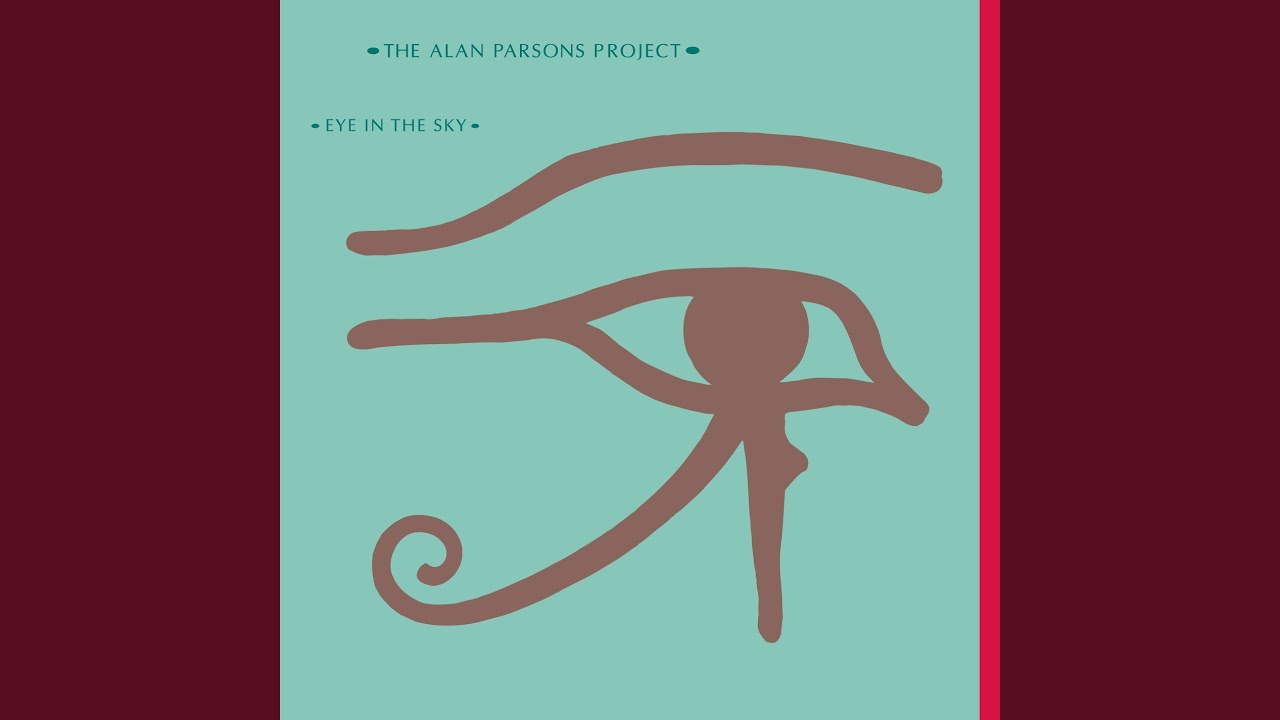
Siruis – for that's the name of the tune – is less than two minutes long. It's actually the intro to another song, Eye In The Sky. And it's become one of those tunes, like Emerson, Lake & Palmer's Fanfare For The Common Man or Carl Orff's Carmina Burana, that's become much bigger than the artist who wrote it because of its use as a sporting anthem. Like those tunes, Sirius is an exercise in tension and high drama, but it's also arena-friendly, conjuring up visions of sport at its most heroic and ancient, gladiatorial combat.
The Chicago Bulls debuted it at Michael Jordan's first home game in 1984, after public address announcer Tommy Edwards heard it playing in a local cinema, and it's been there ever since.
"It’s a bit of a frustration that people hear the music and say that’s the Bulls theme,” Parsons told ESPN. "I wish they did know it was The Alan Parsons Project. But they don't."
Parsons initially wrote Sirius as the intro to Eye In The Sky for no other reason than the Alan Parsons Project – which saw Parsons working with singer, songwriter and pianist Eric Woolfson – had a tradition of starting albums with instrumentals, and Parsons needed one for the Eye In The Sky album.
He came up with the riff while messing around at home on the just-released, eye-wateringly expensive Fairlight synthesiser in 1982, having joined a select group of well-to-do early adopters who included Todd Rundgren, Boz Burrell and Peter Gabriel.
"The riff you hear is a combination of a sample of a clavinet, which Stevie Wonder used to great effect on Superstition, and a set of notes, to which I added a delay," Parsons told Variety. "Part of the sound of the Fairlight sample used in Sirius is a delay upon itself. It’s the artificial echo that goes with it that gives it its character."
To contrast the sharp electronic pulse, Woolfson arranged some sweeping orchestral strings, which elevated the track's dramatic tension and cinematic build. And the rest, as they say, is history.
Sirius has also shown up in a variety of guises. In the UK, it was used during record-breaking attempts on the BBC's Record Breakers show. In basketball, it's also been used by the Phoenix Suns, Utah Jazz, and San Antonio Spurs. In American football, by the New Orleans Saints. In what rest of the world knows as football, by the German team Vfl Wolfsburg. In Rugby, by Australia's Melbourne Rebels. And its remarkable, 40-year ubiquity hasn't lessened its dramatic impact one bit.
So why have FIFA chosen Sirius to soundtrack the player walk-ons at this year's World Cup? Just ask Luc Longley, the Australian baller who won three championship rings alongside Michael Jordan in the 1990s.
"If you're Michael Jordan, Sirius might have a 2% effect on your pregame ability to get in the zone," Longley told ESPN. "If you're Luc Longley, and it's really fucking hard to be as good as you need to be every night because you're not that talented, Sirius can have a 20% effect. It's the guys like me who can use that shit to really help."

