


In the world of rock and metal, the late 90s and early 2000s belonged to Limp Bizkit. They were the omnipresent, multi-platinum, marmite band of the era: an enormously successful, pop culture-invading juggernaut that were simultaneously mocked by critics and peers alike. They’ve been such a talking point in rock culture for so long now that it’s almost impossible to remember a time without them.
But every band has that one breakthrough song that turned them into superstars; for Limp Bizkit, it was a song that lashed out at frontman Fred Durst’s ex that and got its name from a porn magazine. And it took Bizkit to a new level.
Limp Bizkit’s 1997 debut album Three Dollar Bill, Y’all was a rough, dirty-sounding collection of rap metal ragers. Sound-wise, it owed a lot to their friends Korn and contained a novelty hit in the shape of their cover of George Michael’s Faith. It was well received enough, and Faith garnered enough attention for the band to be considered one of the burgeoning nu metal scene’s most exciting new artists. It took nearly two years, but in March 1999, the album was certified Platinum in the US.

The sole fly in the ointment during Three Dollar Bill ,Y’all’s promotional campaign was some complaints about Durst lyrics, thanks to a liberal dose of misogynistic slurs peppered throughout the album.
"That's because I said the words 'whore' and 'bitch'”, Durst countered in an interview with Rolling Stone. “My whole record is about my girlfriend who put me through the wringer for three years and my insecurity about it."
When the time came to record Three Dollar Bill, Y’all’s follow up, there was a clear opportunity for Bizkit to become a big deal. Producer Ross Robinson, with his reputation for making raw, uncomfortable records, was ditched and replaced behind the board by Terry Date, known for his work with the likes of Pantera, Soundgarden and Deftones. He'd helm what would become Limp Bizkit's second album, Significant Other.
“He's a producer who fools with sound and sonically makes everything perfect,” guitarist Wes Borland said of Date in Guitar One Magazine. “He gets sounds that translate really well on tape and pretty much completely captures what we do, perfectly."
My whole record is about my girlfriend who put me through the wringer
Fred Durst
The move showed Bizkit were looking to hone their sound and in the process make it more palatable for new fans coming onboard. “Our fans have been listening to the same old record,” Durst told MTV. “We’ve got to give them something new.”
Having suffered backlash from the lyrics on Three Dollar Bill, Y’all, Durst was also keen to tone things down and make what he described as more “mature statements” this time around.
“I’ve learned a lot from touring, and I’ve made wrong decisions in terms of business partners and girlfriends,” he told Billboard. “I want to thank all the people that betrayed me, because they gave me the emotions that are on this album. Significant Other is a big ‘thank you’ to them.”
Although Durst was attempting to change his lyrical approach, however, the focus of his ire very much remained the same on certain songs on the album, perhaps most noticeably of all Nookie. Wes Borland revealed that the track came at the end of a jamming session for another song the band were working on, rolling along on a quiet-quiet-loud riff, a solid, locked-in groove from drummer John Otto and bassist Sam Rivers and some bubbling, electronic beats from DJ Lethal. Simple in approach, but wonderfully, effortlessly catchy.
“I’ve felt like every album I’ve ever made, there’s always been a song that has been the biggest pain in the ass in the world to get done,”Borland explained in 2013 “And then there’s always a song like Nookie that writes itself, where it just goes ‘Bam!’ and it’s done. "

Wes, much to his annoyance, even inadvertently gave the song its name.
"When we were in the studio there was a porn magazine that had the word 'nookie' on the cover,” he told Kerrang!. “So I was like, 'This song's called Nookie!' I never thought someone would actually run with it. I suppose it's all my fault."
Borland may have just been using it as a working title, but Durst was inspired by the suggestion to create an embittered break up song.
“Fred came in the next day to the studio and I was like, "We've got to show you a song, we're calling it 'Nookie' just for the time being." Borland added to Song Facts. “He flipped out and went, ‘Dude, that's the name of the song! I'm going to use that as the lyrics.’ And that was it.”
And so, Nookie was born. A peaen to shrugging off heartbreak and defiantly letting your former lover know that you never really liked them that much anyway ACTUALLY!
"It's about my ex-girlfriend, how she treated me like shit, and I couldn't leave her, wouldn't get over it," Durst told MTV. "She screwed my friends and used me for my money. I tried to figure out why I did it, and I figured I did it all for the nookie."
I was like, 'This song's called Nookie!' I never thought someone would actually run with it
Wes Borland
With Significant Other completed, Nookie was chosen as the first single from the album to introduce the new and streamlined Limp Bizkit to audiences. Released on June 15 1999, a week before the album dropped, it became their first single to chart on the US Billboard Hot 100.
Its popularity was no double helped by the now iconic promo video that showed Durst wandering the streets while being followed by an ever-growing plethora of female fans, before he jumps up onstage to perform with his band and is then arrested as he leaves. It was also the debut of Fred’s famous red cap look that would come to define him as Bizkit’s star rose.
So popular was the video, in fact, that it was number one on MTV’s tastemaking Total Request Live show for a six-week period between July and August. Nookie’s success propelled Significant Other to storm the charts, the album entering the US Billboard at number one and selling more than 600,000 copies in its first week. It would go on to be certified 7x Platinum in the US alone.
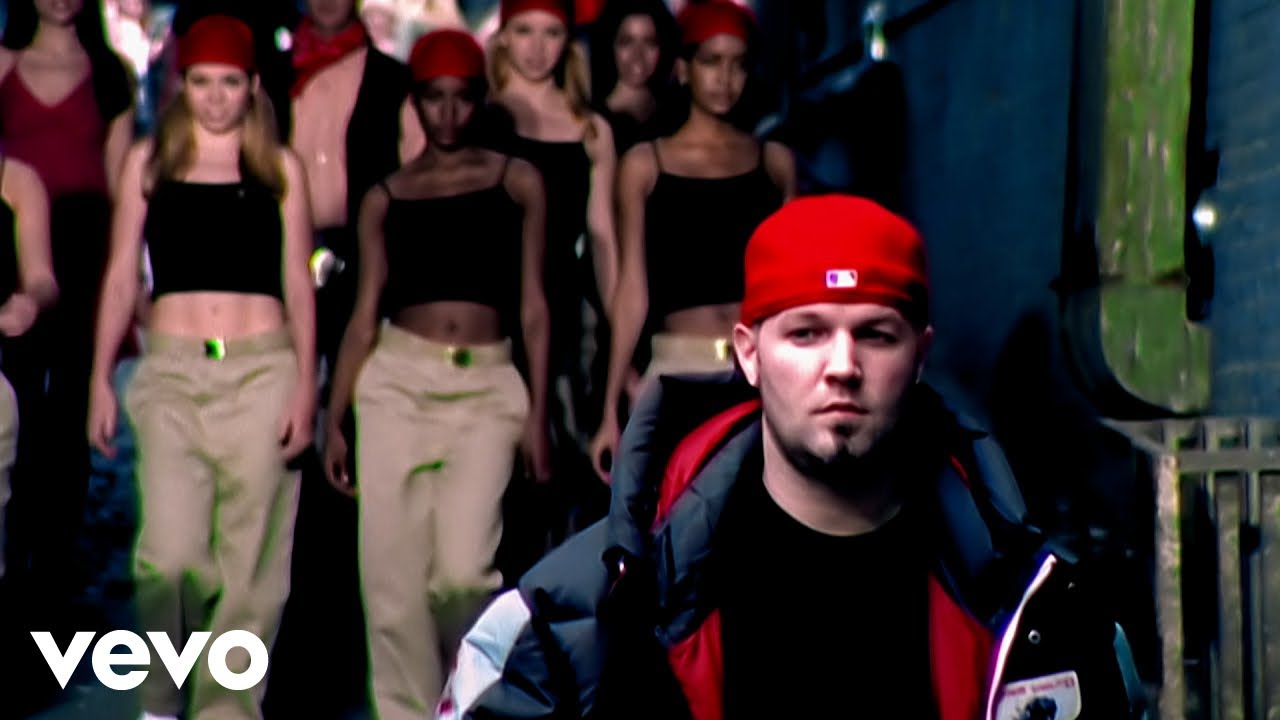
It may well have been doing the numbers, but a backlash from critics was brewing; the NME sneeringly said the band were “a muddle of hardcore hip hop and limp radio friendly choruses... an immediate route to a headache." Stereogum bemoaned the song's “infantile lyrics, awful rapping, and yelling”, while MTV DJ Dave Holmes described the song as “terrible", but admitted that "the kids ate it up”.
In the aftermath of their set at the notorious Woodstock ‘99 festival, Limp Bizkit were positioned as the music industry’s public enemy number one, Nookie itself often held up as apparent evidence of Durst’s regressive attitude toward women.
It’s taken some time, but in the modern era and following years of being seen as deeply uncool by the music press, Limp Bizkit’s star has risen once again; the band are finally due to headline the UK's prestigious Download Festival for the first time this year. With a new generation of fans, many of whom weren’t even born when Nookie was released, gravitating toward their music and making them as big as they have ever been, it's forged them a different kind of status.
That newfound respect had also meant that a more mature Fred Durst has been given the space to reflect on Bizkit's first big hit - he explained to Dazed magazine in 2024 that he believes his intentions were totally misunderstood in 1999.
I was very much a vulnerable person
Fred Durst
“The first time I had been intimate with someone, I was very much head over heels in love,” he explained. “I was very much a vulnerable person in that world and I couldn’t believe it even happened. So, I fell in love, and then this person was sleeping with other people, and people would say, ‘Fred, you’re so upset, why are you staying?,’ and I’d say ‘Because, we made love.' I found a different way to say that: 'I did it all for the nookie'. That sounded more fun. So, what I did it for then was the love.”
It may have taken nearly three decades, but Nookie’s evolution from bratty, tantrum rager to sensitive, heartbreak anthem is complete, and its status as one of metal’s most iconic bangers remains well intact.

