


In 2015 Prog argued that Wilco’s fourth album, Yankee Hotel Foxtrot, was a much more progressive album than many people have ever realised – made more so by its confused backstory.
Traditionally at least, there’s very little about alt country that can rightfully be considered prog. But then Wilco have never been your average roots band.
By 2001 they’d issued three albums of country-ish rock with nods to The Replacements, Big Star and Uncle Tupelo, the latter being the former vehicle of Wilco chief Jeff Tweedy. These were records that bled freely into soul, R&B and hard rock, each one an incremental shift from its predecessor in terms of ambition.
Yet no one was quite prepared for Yankee Hotel Foxtrot: a dizzying confection of avant-garde flourishes, arty prog and weird noise, wrapped in just enough melodic know-how to make it utterly palatable.
Such a record warranted its own creation myth. And boy did it have one. Initially due on September 11 – a portent in itself – Reprise pulled the release, citing what they considered a lack of commercial appeal. The upshot was that Wilco acquired the rights and streamed it free on their website.
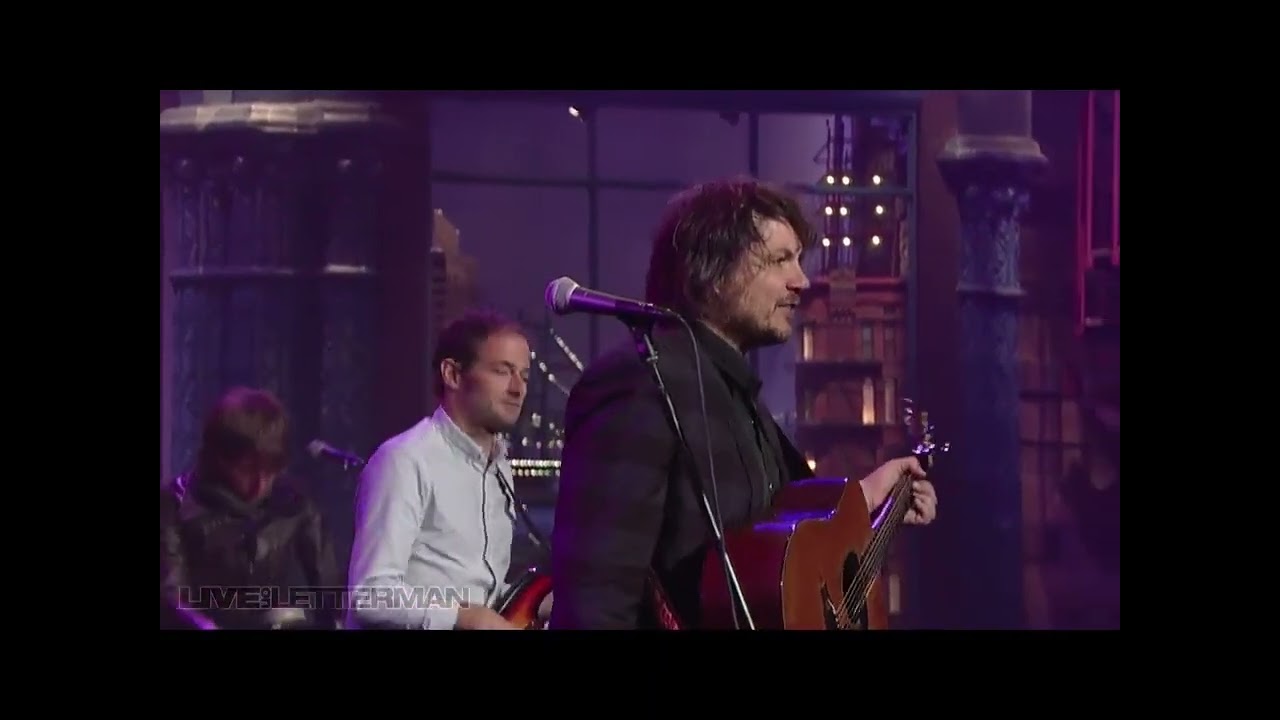
Yankee Hotel Foxtrot finally found a home on Nonesuch, who released it in April 2002. The great irony was that both Nonesuch and Reprise were imprints of AOL Time Warner – in effect, the parent company had bought the album twice.
Relations within the band were equally confused. Drummer Ken Coomer (at Tweedy’s side since Uncle Tupelo) was ousted in favour of the more flexible Glenn Kotche, deemed a better choice to carry off the album’s percussive tics and rhythms.
Co-songwriter Jay Bennett was fired on the project’s completion, after much conflict over Tweedy’s decision to bring in leftfield producer Jim O’Rourke as mixer/engineer.
The greatest irony of it all was that Yankee Hotel Foxtrot – as suggested by its title – was an album about communication. Or, more pertinently, our struggle to do so on both a personal and global level. This disconnect was echoed by Tweedy’s use of transmitter static as a recurring motif amid songs that swapped moods as if governed by a random dial.
Distorted guitars elide into experimental jazz on War On War; dissonant art-rock flirts with musique concrète on the epic I Am Trying To Break Your Heart; samples from shortwave stations seep into Poor Places, rife with electronic effects and semi-classical tones.
Complex, adventurous and often very beautiful indeed, Yankee Hotel Foxtrot is progressive in the truest sense. And, in light of the fact that it remains Wilco’s biggest seller by some distance – proof that populism and daring need not be mutually exclusive.

