





You can trust Louder Our experienced team has worked for some of the biggest brands in music. From testing headphones to reviewing albums, our experts aim to create reviews you can trust. Find out more about how we review.
A strong candidate for the most consistently rewarding Talking Heads album, Fear Of Music remains an evergreen post-punk landmark almost half a century later.
It reunited the New York avant-rockers with producer and conceptual ringmaster Brian Eno for the second of three collaborations, and he made various key hands-on decisions: bringing Robert Fripp on board as guest guitarist, suggesting Hugo Ball's Dadaist poem as the lyric for opening track I Zimbra, and reportedly preventing David Byrne from binning the achingly lovely afterlife ballad Heaven, one of his most enduring signature songs.
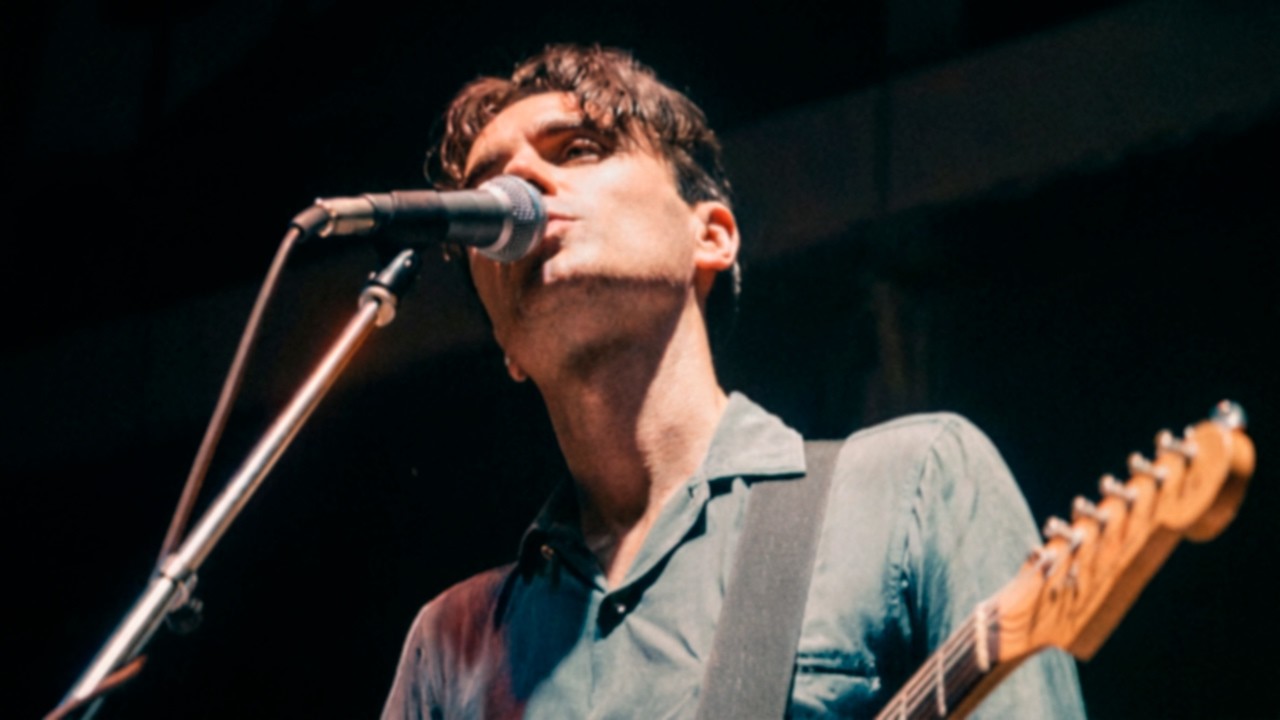
Remastered for this deluxe box set, Fear Of Music is a richly layered collection of mostly successful experiments. Besides exploring slippery rhythms that borrow from Afrofunk and disco, the band began couching their angular art-rock sound in electronic treatments and airy pop melodies. Byrne's barking, jabbering vocal performances are also more playfully mannered than ever, while his lyrics are unashamedly funny, musing on ungrateful animals with no sense of humour, the invisible dangers of air, the futility of religion, and more.
Besides Heaven, future Heads classics include the nervy punk-funk travelogue Cities and the cinematic terror-cell thriller Life During Wartime. More obscure cuts stand out, too, such as Memories Can't Wait, a doomy goth-metal detour with faint Joy Division overtones.
Inevitably there's little fresh material in the Heads vaults, but this lavish repackage does include two previously unreleased full-disc concert recordings from 1979. While neither is essential, both are engaging documents of a band in mid-transition from arty hipsters to arena-filling new-wave royalty.
Besides the curiosity value of hearing preliminary road tests of the new album, stand-out early-career tracks include the fragrant, dreamy, offbeat nursery rhyme Love Goes To A Building On Fire, and two takes on Psycho Killer that extend the song into a seven-minute, Television-style jam. Also among the live tracks is an oddly stiff, bloodless plod through Al Green's Take Me To The River. Not their finest creative decision, but it gave Talking Heads their first US Top 30 hit, arguably opening a path to greater things.
The inspired fusion of cerebral avant-punk modernism with booty-shaking disco, funk and R&B that would later blossom into Stop Making Sense is not yet fully formed, but it's beginning to take shape in these genre-stretching, post-rocking, game-changing grooves.

