


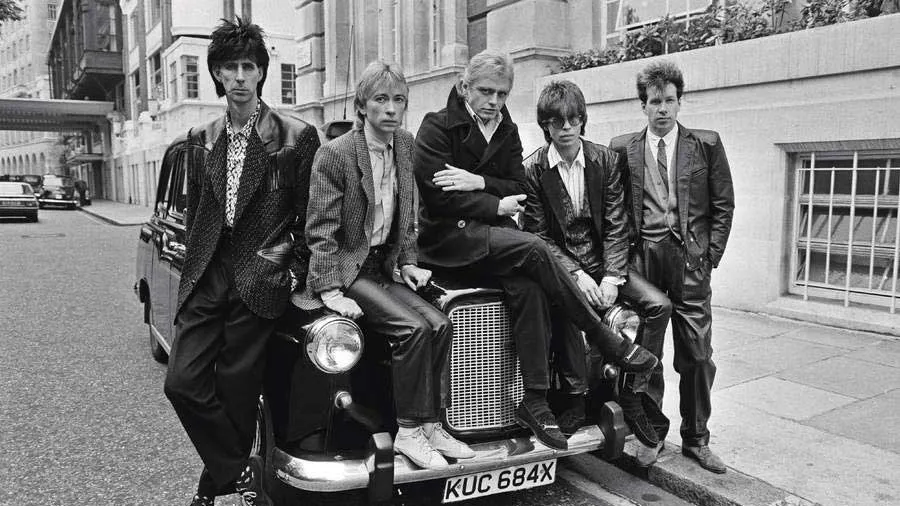
“I always wanted our songs to pop and kick,” The Cars’ Ric Ocasek told me in 2005. And on the band’s fifth album, Heartbeat City, they did just that.
You might think of the pop in Pop Art terms: bold colours, sleek lines; bang-vroom choruses, the kick of a lyrical subversion that sneaks up on you, hinting at fragile mental states, with elliptical drug references and some kinky S&M.
Of that contrast in his songs, Ocasek said: “One kind of holds you down to earth, while the other takes you somewhere else.”
After running the album-tour track annually from 1978-81, The Cars were looking to go somewhere else. The title of their fourth album, Shake It Up, hinted at just what they needed to do.
The first major shake-up for Heartbeat City was bringing in producer Mutt Lange, best known for his high-gloss hit-making on AC/DC’s Back In Black and Def Leppard’s Pyromania. “I thought that the combination of the sound he gets and what we do would mingle pretty nicely,” Ocasek said in 1984. “Mutt’s never done a band like us; he’s done a lot of heavy metal. But I thought the two could mix.”
While there’s an obvious Lange touch in the massive crunch of Magic and You Might Think, much of the album veers towards the moodier sounds of Drive and Why Can’t I Have You, forfeiting guitars for keyboards. (Ocasek’s 1982 solo Beatitude also provided a synth-y signpost).
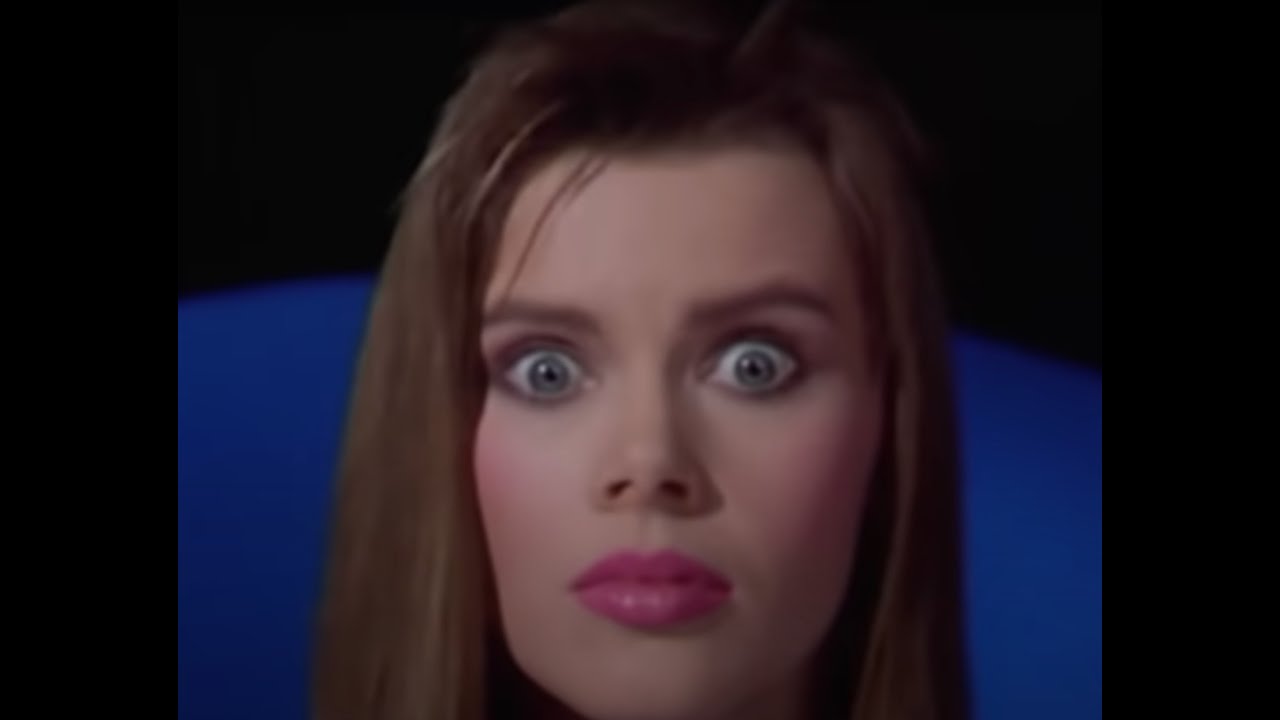
Keyboard player Greg Hawkes said at the time: “You would expect that for a producer with his background there would be more guitar and less synthesiser. But I think Mutt was really intrigued with working with keyboards. It was a way for him to do something different.”
Hawkes set aside his usual analog synths for the then-groundbreaking Fairlight – the first digital sampling keyboard. It took him a month just to learn how to use it, and then at least 10 hours per song to prepare the programming.
“You’d get a part, but then maybe it sounds stiff, so you have to try programming it a different way,” Hawkes recalled. “It’s not easy to change a sound, as with the twist of a knob. It takes a while to get it right.”
After eight months in the studio, they got it right. Released on March 13, 1984, Heartbeat City went No.1 in the US, No.25 in the UK, with six Top 40 singles and high-rotation videos on MTV.
When, 20 years on, asked what he thought of Heartbeat City, Ocasek said: “At the time, maybe it didn’t sound like a Cars record. But now it does, because the vocals are the same. But at the time, we needed a change. A change is always good.”

