



Southern rock might never have happened without Otis Redding. In the early 60s, Otis persuaded his manager/booking agent Phil Walden to abandon his collegiate pre-law studies for a career in soul music. Within a few years Walden was handling R&B stars such as Sam & Dave, Percy Sledge and Clarence Carter, and cutting deals at Stax and Atlantic Records.
But Redding’s death in 1967 left Walden uncertain about the future. He later said: “After Otis, black music just didn’t seem the same for me. I had tried before to get some rock’n’roll clients, and now I was hell-bent on proving I could come up with some rock groups and start something new.”
In 1969, with financial help from Atlantic’s Jerry Wexler and Frank Fenton, Walden and his brother Alan founded a label, Capricorn Records (the name came from Walden’s astrological sign).
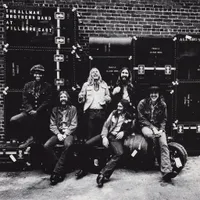
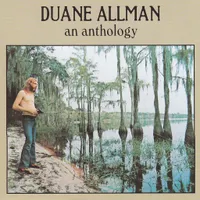
One of the first musicians to grab Phil’s attention was Duane Allman, a budding session guitarist working in Muscle Shoals studios. Walden encouraged Duane to form a band, and within a year the Allman Brothers Band became Capricorn’s cornerstone act. The label brought Marshall Tucker Band, Wet Willie and Elvin Bishop on board, and was soon racking up gold records and chart hits. By 1974, 34-year-old Walden’s estimated net worth was $5 million.
The bounty continued for two more years. Then disaster struck when the Allmans split, the members sued Capricorn for unpaid royalties, and the label’s distribution deal with Polygram fell apart. All of this unfolded against Walden’s worsening substance abuse problems. In 1979 Capricorn went bankrupt.
After a lost decade, Walden cleaned up and relaunched Capricorn, in Nashville in 1991. He still had an ear for young talent, and signed bands such as Cake, 311 and Widespread Panic. But after a promising start that saw Walden regain rights to his back catalogue from the 70s, the label once again hit financial trouble. After distributor Polygram merged with Universal, Capricorn got lost in the shuffle. It folded in 2000.
Walden died in 2006, after a long battle with cancer. As Gregg Allman said: “Phil was there at the beginning, and we could not have accomplished what we have without him.”

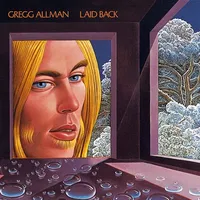
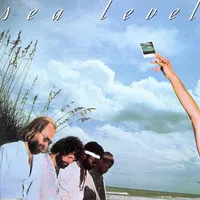
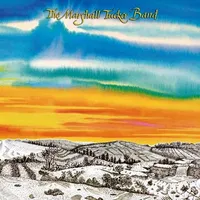
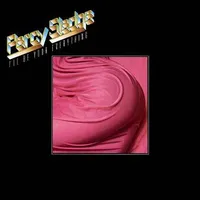
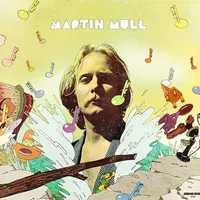
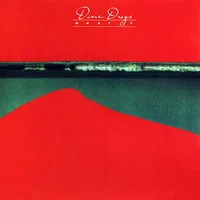
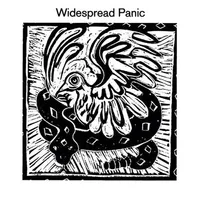
...and one to avoid
You can trust Louder Our experienced team has worked for some of the biggest brands in music. From testing headphones to reviewing albums, our experts aim to create reviews you can trust. Find out more about how we review.