


When it came to writing the follow-up to their acclaimed 2003 album Sing The Sorrow, AFI found themselves in a bit of a pickle. Towards the end of their sixth studio album cycle, their label Dreamworks was sold to Universal Music Group and the four-piece found themselves on Interscope.
Initial demos were rejected by Sing the Sorrow co-producer Butch Vig and subsequent writing sessions were pressured and, by vocalist Davey Havok's own admission, "not a happy time".
Sing the Sorrow co-producer Jerry Finn, however, did not abandon ship and decamped to a basement on "shabby farm" in northern California to work on pre-production.
It was in this basement that Jade Puget picked out a bassline on his guitar. Havok came up with a throwaway lyric, 'Hey, Miss Murder, can I...' which he had every intention of changing later in the studio. Except it stuck like Gorilla Super Glue.
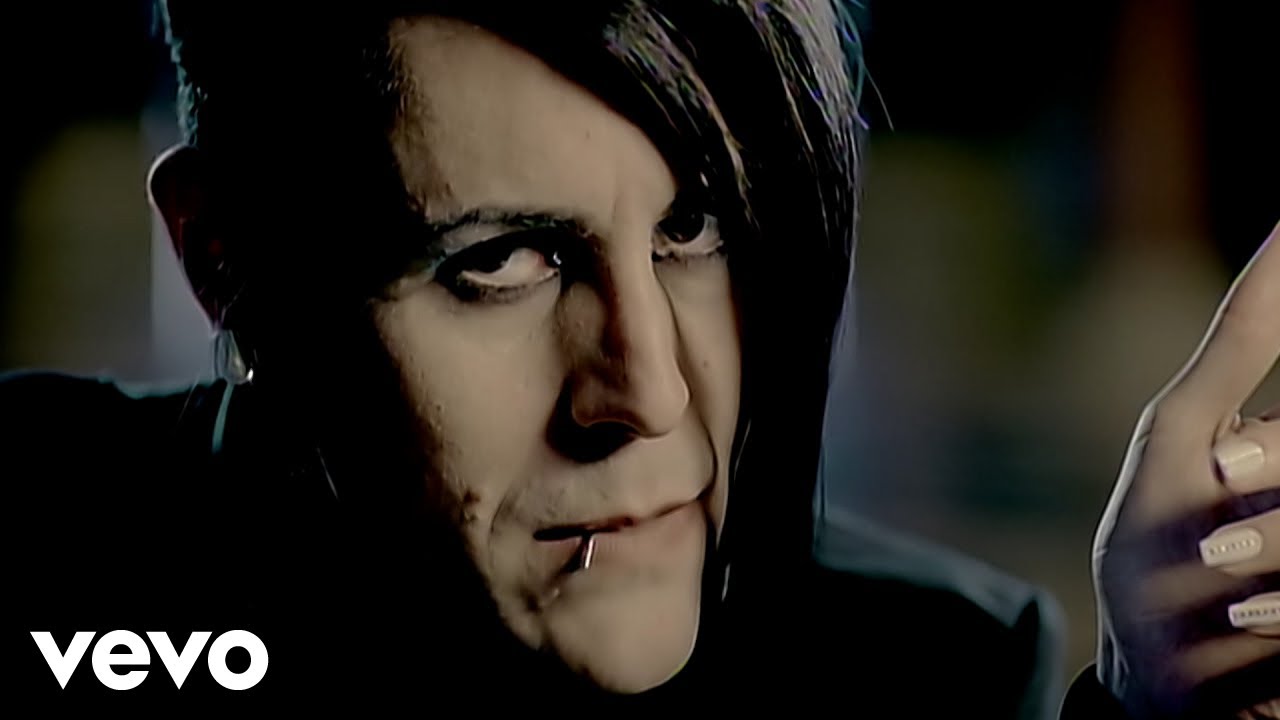
"I wrote backwards," admits Havok of the song. "Rather than writing with a concept, I wrote with a task to make this lyric into a song, into a concept."
“We beat this song down," he later told Kerrang!, choosing the AFI single as one of the songs which changed his life. "We reworked the chorus over and over again, and in some abyss I sang the melody of the chorus with a scratched lyric that went, ‘Hey, Miss Murder, can I?’ The label were like, ‘That’s it!’ And I was like, ‘Really?! Are you serious?’ I wanted to write a proper chorus and they were like, ‘Please keep it like that.’”
For years, Havok would deal with questions about the song's meaning in vague terms, as not to ruin any fan-constructed meaning behind the words on the single.
"I don't necessarily need for people to understand specifically what it means," he told Rolling Stone. "If they want to take something from it and use it in a personal way, I think that's great. I wouldn’t want to risk destroying that just so someone can get a better understanding of me personally."
The one song associated with AFI by civilians – the biggest one – was a grind.
Davey Havok
But, two decades after its release – which earned the band a spot atop the Billboard Alternative Airplay chart and a Top 5 in the Venezuela Pop Rock chart – Havok disclosed the true meaning behind the song, which was gestated in a period of overwhelming stress, uncertainty and waning confidence.
"That song was a grind," he revealed on the Hard Lore podcast. "Let’s talk about that lyric – we’ve never done this. The one song associated with AFI by civilians – the biggest one. If you listen to the lyric, that number-one hit basically poses the gentle question: 'Should I just kill myself?' And if I don’t… is shit just going to get worse?"
The song, which was almost "swept off the record" according to drummer Adam Carson, became a double-edged sword for the Ukiah quartet. A sort of medieval longsword, as opposed to a katana or scimitar. It became their biggest song, yet was to signify their commercial peak. The vocalist noticed a sea change before the band released Crash Love in 2009.
"That was it," said Havok. "That was the end of the commercial success. We finished touring Decemberunderground in Long Beach. 12,500 tickets. Sold out in five minutes. People would recognise me on the street. Within that year, it went from: : ‘Oh my God, can I have your autograph? Can I have a photo?’ to ‘Oh wow. Hey man… what are you up to these days?’
"I learned that mainstream people who listen exclusively to mainstream music think none of those artists write their songs," he added. "They think artists are always on tour. So if there’s not a song on the radio, and you’re not on tour, they think you must have another job."
Despite "mainstream people", AFI are still an ongoing concern and something of a big deal. The band – the gothiest of all goth-punk bands – recently released Silver Bleeds the Black Sun, which Metal Hammer scribe Stephen Hill described as their "best album in a decade".