


Effectively written out of history by the immediately subsequent media-friendly circus that was Britpop, Carter The Unstoppable Sex Machine were significantly more successful in the early 90s than almost anybody seems, or possibly cares, to remember. From humble indie roots, the shorts and cycling cap-sporting duo enjoyed a five-year overnight success that took them from tireless toilet-circuit slogging to the top of the UK album chart.
Dangle-fringed beanpole Jim Morrison (yes, really) (aka Jim Bob) first met cheeky-chopped Angus Young aficionado Les ‘Fruitbat’ Carter in a Streatham rehearsal studio, and before you could say ‘Sarf London indie-squindy apprenticeship’ they’d manned the boiler room of Jamie Wednesday. When they were the only two band members to turn up for an ’87 London Astoria charity gig, inspired by the Beastie Boys, Public Enemy and Age Of Chance the pair got up to play the show as Carter USM with a tape recorder rhythm section.
So far, so Squatney. But where countless other 80s landfill indies foundered, Carter - with a deft combination of post-punk Clash-like political conscience, a well-tuned ear for rabble-rousing terrace chants, heartstring-strumming, tears-in-beers anthems and memorable lyrics laced with Olympics-standard puns Jim Bob delivered like a tabloid sub editor with a penchant for the London A-Z – saw word-of-mouth peer reviews take them from the Bull & Gate to Brixton Academy in record time.
Carter had never quite got over punk. The Clash were a touchstone for both, while Jim Bob found endless pith and vinegar in the lyrical blurts of Elvis Costello and Jam-era Paul Weller. “We were quite politically minded, lefty people at the time,” says Jim Bob, “We didn’t know much about it, and were very non-political party.”
“In our twenties, almost thirties,” Les remembers, “we still had that kind of teenage anger about… everything, really, but especially injustice.”
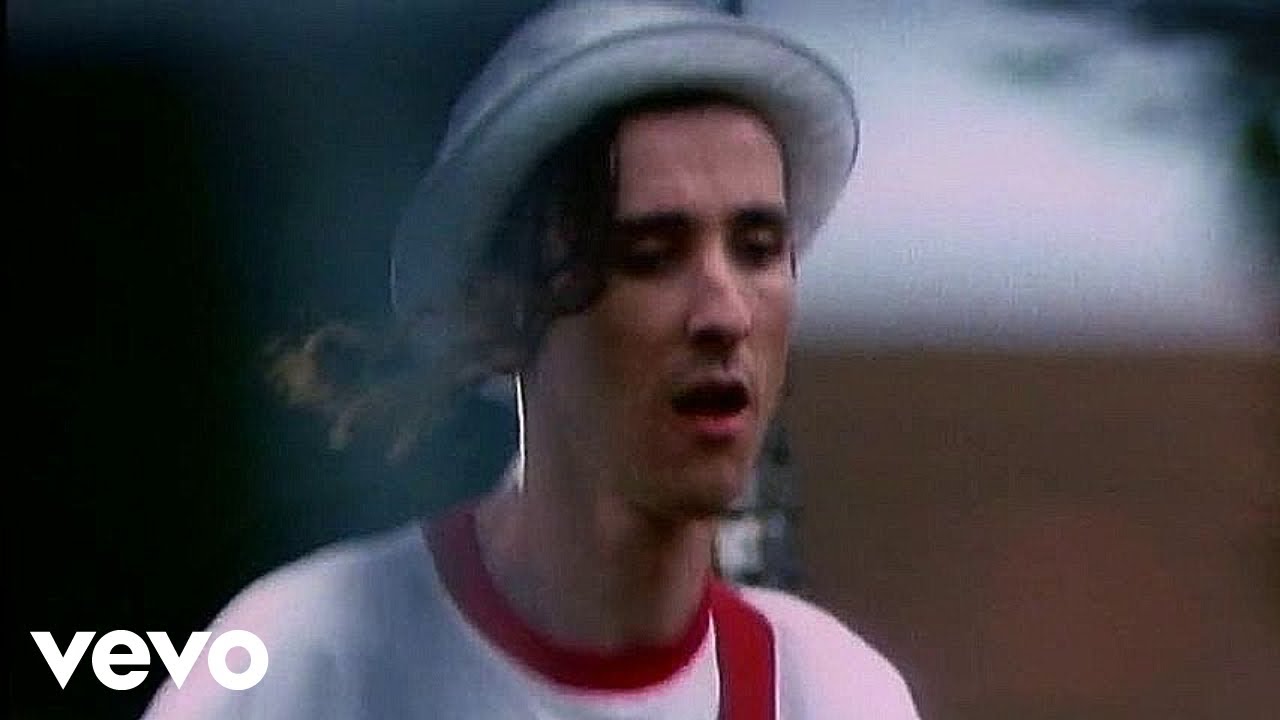
Carter hit a nerve, jagged a constituency who hadn’t followed a band since Chairman Joe sacked Mick Jones. They found this audience with a winning combo of big tunes, tangible passion and a rare ability to sell serious issues with a sharp ready wit. They simultaneously inhabited rock’s cutting edge, with their hip-hop-alike embrace of technology and sampling, while offering a mighty dose of punk nostalgia nobody in their audience had previously realised they even had.
While fiercely decrying societal wrongs across a series of alternative chartbusters – Sheriff Fatman (slum landlords), Rubbish (anodyne playlist radio), Anytime Anyplace Anywhere (alcoholism), Bloodsport For All (racist bullying in the armed forces) – they sold an awful lot of T-shirts.
Having gone top 30 with their 101 Damnations debut album and Top 10 with their 30 Something second (both released on independents and recorded in their mate’s shed), they decided to make their major label debut with After The Watershed (Early Learning The Hard Way), a single about child abuse, with an audacious ‘Goodbye Ruby Tuesday’ hook-line that almost dared the Rolling Stones to sue them inside out.
“That happened during our honeymoon period with Chrysalis,” recalls Jim Bob. “So I don’t think After The Watershed’s subject matter was ever an issue. I mean, everything that happened after was an issue, and how we promoted it was an issue, but I don’t think they ever had a problem with it up front. The press did, though. They thought it was too jolly musically, too danceable, and should you really be dancing or enjoying yourself to a song about child abuse?”
Was there a specific incident that inspired the lyric?
“I’ve a very vivid memory of seeing someone hitting their child,” says Jim Bob, “and feeling I needed to intervene, because I was thinking what happens when they’re not out shopping? What happens when they’re at home? That’s what set me off lyrically. The Ruby Tuesday thing? I was just singing it along to Les’s music, and it just sort of came out. It’s my favourite Rolling Stones song, the meaning made sense and, naively, I thought: ‘Oh, they’ll love this.’”
“When we were at Big Cat and Rough Trade we never sought permission for any of the samples we used, but Chrysalis thought that they legally had to ask. It took time for the Stones’ publishers to respond, and we’d already released it by then.” The Stones won, the record was withdrawn, the song was cut from the album, and both Jagger and Richards gained a credit.
Would that that were the end of the song’s attendant controversy. In October ’91, Carter appeared on The Smash Hits Poll Winners Party (televised live on BBC1) to promote After The Watershed. Les - fresh from the road - had enjoyed a couple of cold drinks, and at the song’s conclusion enthusiastically hoofed his equipment. As one would.
The show’s presenter, one Phillip Schofield (then still very much ticking the box marked ‘much-loved national treasure’), offered something of a sneer in response to this gesture, which elicited a headline-grabbing rugby tackle from an infuriated Fruitbat by way of reply.
Carter followed 1992: The Love Album with a further brace of Top 10s (Post Historic Monsters, Worry Bomb), before gradually expanding to a quintet and then going their separate ways in 1998: Fruitbat into Abdoujaparov, Jim Bob into Jim’s Superstereo World, authoring novels, and pursuing a solo career that last year saw the release of Automatic and Stick.
So how’s the old Sex Machine, then? Still unstoppable?
“I’m definitely stoppable,” admits Les. “I might have even stopped.”
The remastered edition of Carter USM’s Straw Donkey: The Complete Singles is out now via Chrysalis.

