




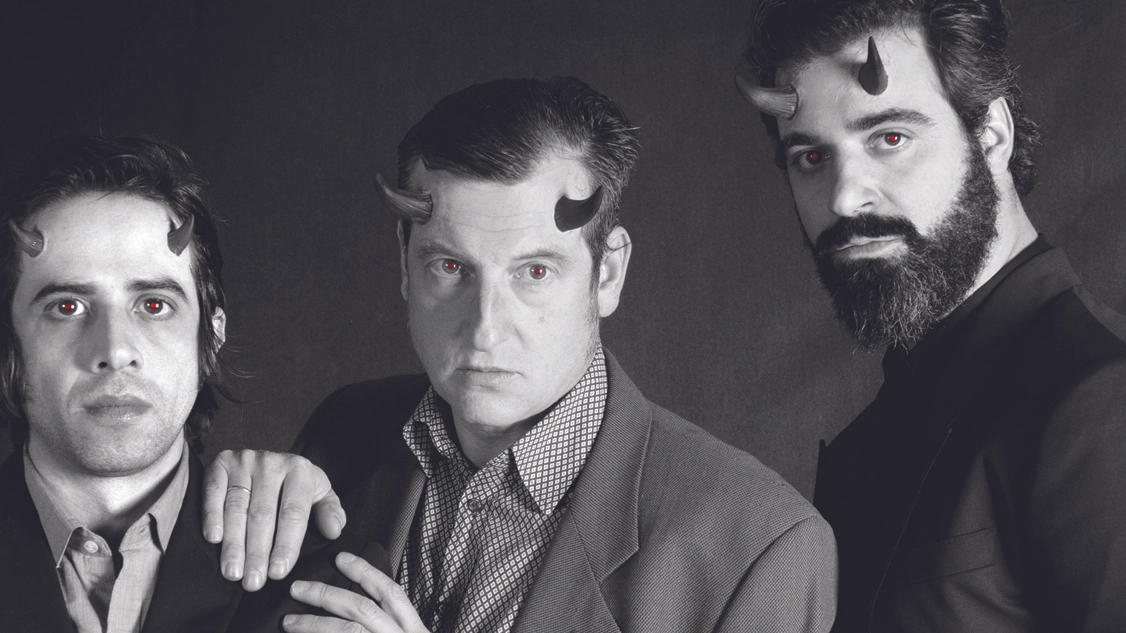
THESE DESERT BLUES desperadoes from Andalusia are exporting their three-man rockabilly riot far and wide, and their latest self titled album sees them echo the lo-fi punk sound of The White Stripes and Thee Headcoats at Liam Watson’s London Toe Rag studio.
The record has a wonderfully retro sound to it…
Pedro De Dios (vocals and guitar): Toe Rag is not a recording studio as such, it is more like an ancient machines laboratory, with the kind of gear that you would expect to find in old record studios such as Chess or Sun Records, so it was perfect for us.
What was Liam Watson like to work with?
Carlos Jimena (drums): He’s a peculiar character, a man who has dedicated his life to putting together a studio like that, getting hold of all those machines… it was intriguing to watch him work with his white pencil, marking the tape and cutting it with razors. He didn’t get involved in the “production” of the record, he concentrated on getting the sound, to faithfully reflect our live sound. Then we’d arrive, run through a song, play and record.
Tell us about the metal bowl you use to make the stand-up bass sound?
CJ: It’s an artisan bass made by Paco, a carpenter. It’s made of a zinc bucket, a wooden broomstick and a cord used to start chainsaws.
You get a really dirty guitar sound – did it take a lot of experimenting?
PDD: Yeah, about 20 years! Since I was 16 until now. And we’re still working on it!
There’s a lot of symbolism in your lyrics. What’s with all the animals?
CJ: There are always animals that cross our paths [Úbeda, their hometown, is in the Andalusian countryside]. We used to rehearse with rats as big as cats running around. They represent the darkest, deepest Spain. Cats and snakes have always been taken as malign animals… associated with trickery, slyness, cunning. That’s why we feel at home with those creatures. Those feelings are in all of us.
Are you believers in the supernatural?
PDD: The most recent spooky experience was at T-Model Ford’s grave in Greenville. Chris Johnson of the Deep Blues Festival took us – he collects rubbings of headstones. When we found the grave, we tried to straighten a flowerpot on it. Out of this pot poured legions of carnivorous ants – they got everywhere and were biting. It was a curse for disturbing a great man.
Guadalupe Plata is out on Everlasting Records.

