


The spirit of punk rock has always been at its best when fighting against oppression or supporting society's outcasts. Never has this been truer than in 2002, when a stellar cast of musicians from the world of punk, metal and rock joined forces to protest an appalling miscarriage of justice, using the songs of one of hardcore’s most legendary artists to raise funds to help put it right.
The project featured members of Slayer, Motörhead, Slipknot, Queens of the Stone Age, The Stooges, Public Enemy and many more, all singing the rebellious anthems of Black Flag to shine a light on the plight of three teenage metalheads, christened The West Memphis Three, who were facing life imprisonment and the death penalty between them after a miscarriage of justice that infuriated the rock community.
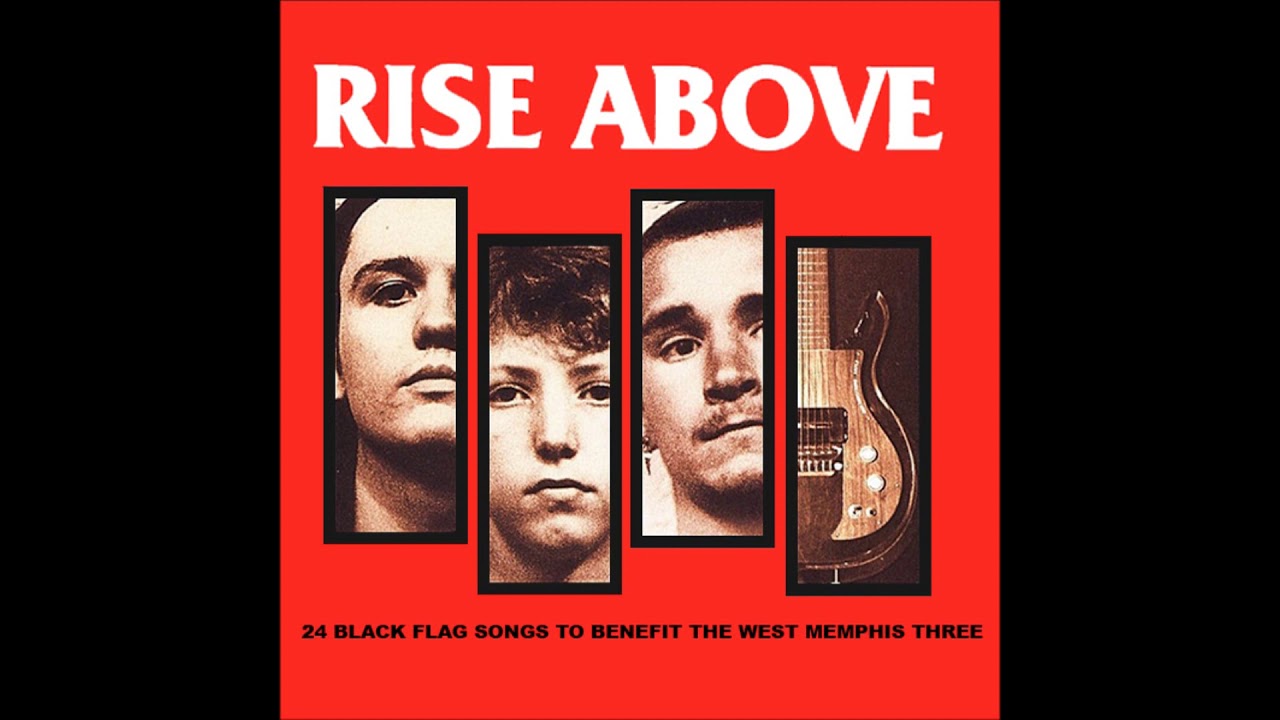
It was called Rise Above: 24 Black Flag Songs to Benefit the West Memphis Three. Remarkably, it played a part in getting the three young men's verdict overturned.
On May 5, 1993, three eight-year-old boys, Michael Moore, Steve Branch and Christopher Byers, were murdered in West Memphis, Arkansas, in what was reported as a Satanic ritual. A year later, despite a shocking lack of evidence or DNA testing, Damien Echols, Jessie Miskelley Jr. and Jason Baldwin were found guilty of the crimes.
Much of the reasoning for the verdict was due to the trio's reputation as outsiders in their community and their well-known love of heavy music and violent movies. Baldwin and Misskelley were sentenced to life imprisonment, Echols was given the death penalty.
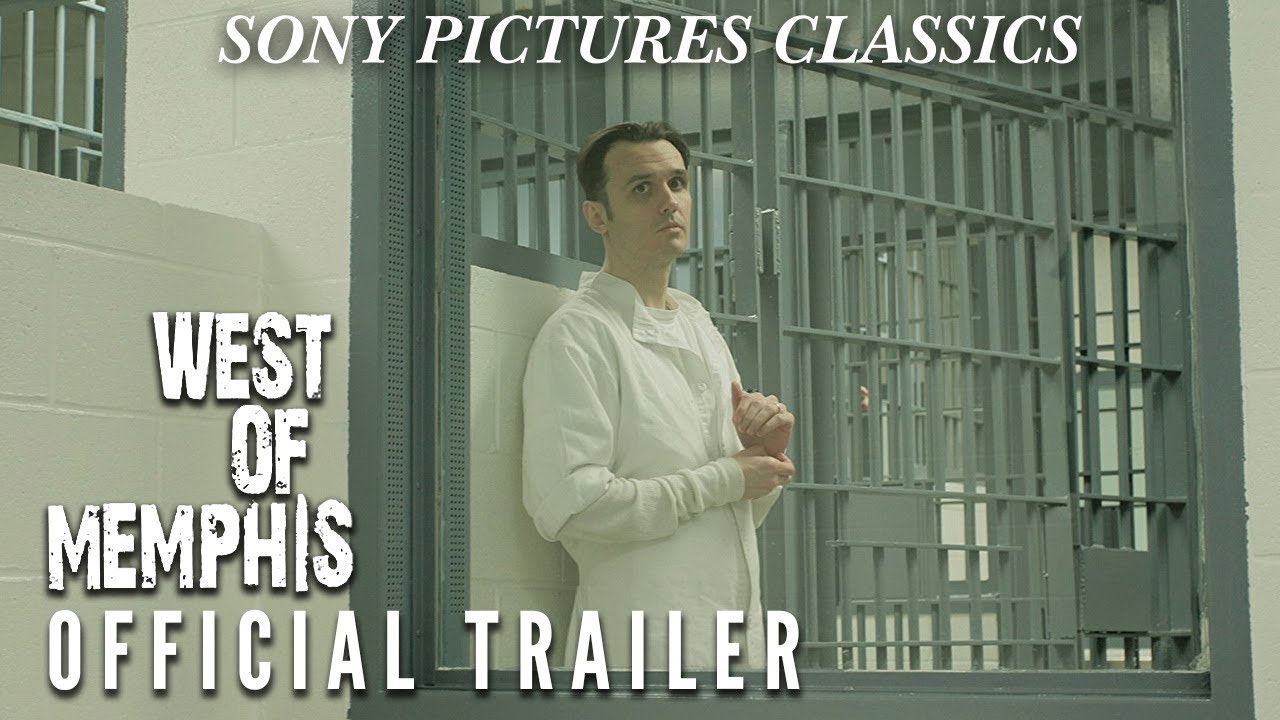
The case and its various flaws were soon picked up by the media, bolstered by a pair of documentaries, Paradise Lost in 1996 and Paradise Lost 2 in 2000, both directed by future Some Kind of Monster duo Joe Berlinger and Bruce Sinofsky.
Many rock and metal musicians were quick to empathise and lend their voice to support the West Memphis Three; Metallica even allowed their music to be used in Paradise Lost 2 for free, marking the first time in their career that they had licensed their music for a film. And it was around this time that the whole story reached Henry Rollins.
Rollins described the case as “the perfect tragedy”, adding in a statement on his own website: “In the West Memphis Three, a lot of people saw themselves. Heavy metal albums found in their rooms, antisocial behavior — the very stuff of youth — were used in court. In lieu of any physical evidence placing them at the crime scene, this ‘evidence’ showed that these three were definitely the ones that did it.”
Rollins was “angry enough to get involved” and arranged a benefit gig on March 8 2002 at the Troubadour in LA, with all proceeds going to the appeal case.
In his statement announcing the show, he explained: “It’s simple for me. I don’t know who killed those three little boys. I just know it’s not the West Memphis Three. So what can I do? Raise some money and hopefully some awareness. Damien Echols faces lethal injection for a crime he didn’t commit. Jason and Jesse face life in prison. It might as well be you or me. After the benefit on March 8, I will get in my car and drive to my house. That, in itself, is kind of obscene seeing what these three are dealing with.”

MC5’S Wayne Kramer were amongst the musicians to join him that night, but straight after the show, Rollins decided that it was, in his words, “nice, but a gesture at best.” Thus, he decided that greater action was necessary, and Rise Above... took real shape.
“I decided to do a benefit album,” he said on his blog. “With the help of my bandmates, road manager Mike Curtis, Heidi May, Cherokee Studios and many others, we set to work. Soon my phone was ringing off the hook.”
Those doing the ringing were other musicians and artists that had been shocked and appalled by the case of The West Memphis Three and were keen to lend a hand.
I thought it best to call in some of the great forces of the universe.
Henry Rollins
“I thought it best to call in some of the great forces of the universe,” Rollins continued. “We reached out and were amazed to find how many people in the music world were either fully up to speed on the case or, upon hearing the details, immediately ready to contribute. It was incredible. Keith Morris, Chuck Dukowski, Kira Roessler, Chuck D, Lemmy, Ween, Iggy, Mike Patton, Queens of the Stone Age, Ice T, Hank III and Tom Araya to name but a few, stepped up and knocked it out of the park. Soon we had an album done.”
That album was released on October 8, 2002. Rise Above: 24 Black Flag Songs to Benefit the West Memphis Three certainly doesn’t try to hide why it exists, but once you actually pressed play, it revealed one of the greatest ensemble albums in rock history.
As soon as Public Enemy’s Chuck D’s drawl of “West Memphis, Arkansas, get ready to go worldwide!” opens the album on the title track, Rise Above... is a riot. With a set of bulletproof, classic anthems from one of punk rock’s most important artists to pick from, all of the guest vocalists involved step up admirably.
That said, special mention needs to go to Clutch’s Neil Fallon for his bug-eyed preacher take on American Waste, possibly the angriest vocal performance in Tom Araya’s career as the Slayer man screams his way through Revenge, a typically deranged Mike Patton gurning through a warp-speed Six Pack and both Slipknot’s Corey Taylor and Poison the Well’s Jeff Moreira’s brutal, metallic updates of Room 13 and I’ve Heard it Before.
If we’re picking a man of the match, however, no one could top Lemmy. The Moöorhead leader was given the song Thirsty and Miserable, turning it from a thrash punk ode to the worst aspects of alcohol dependency into a greasy, shit-kicking, rock and roll stormer.
The album served as a fantastic tribute to the genius of Black Flag’s music, a much-needed introduction to an illustrious band in a pre-streaming era when getting hold of those early punk and hardcore records was seriously challenging. Most importantly of all, though, it was a record that gave all of its proceeds to the legal fees of the West Memphis Three.
“A lot of it,” confirmed Rollins, “went towards paying for the DNA testing of the crime scene evidence, which Arkansas wouldn’t pay for.”
Rollins continued to campaign for the trio; a tour was booked to raise further funds, with both he and Morris fronting the Rollins Band and playing songs from the album.
Despite everyone's best efforts, the West Memphis Three remained imprisoned for a further nine years, until August 19, 2011, when newly produced DNA evidence and potential juror misconduct meant Echols, Miskelley and Baldwin were freed on a plea bargain. Not an entirely satisfactory result, but one that at least ended their long and unwarranted punishment.
I walked the streets in a state of shock.
Henry Rollins
“I walked the streets in a state of shock,” Rollins said, reacting to the news on his blog. “To all the people who sent in $20 bills they could not afford to part with, to the lawyers who worked for free, to all the bands all over the world who did benefit shows, to all the people who wore the T-shirts, signed the meditations, wrote letters and never let this thing go quiet, I am awed by you. Your dedication, your belief and your incredible persistence helped mount a defense that obviously was too much for the state of Arkansas to handle. Because of you, three men are free. You did that.” He signed off with a reminder that the story was not over: “Justice, however, is still left wanting. We'll get there.”
Sadly, 14 years later, the West Memphis Three are still waiting for true justice. But for those that say music cannot challenge power and enact real societal change, hand them a copy of Rise Above...

