


During the mid-90s, an era when both Brit pop and alternative rock overtook metal as the zeitgeist genre for guitar music, many heavy bands were left searching for new sounds and new approaches to their music. This yielded some incredible advancements and amazing albums, but not tons of commercial success.
Surely, then, an underground death metal band from Brazil releasing a song name-checking some of their country's most notorious outlaws, performed entirely in Portuguese, alongside an indigenous tribe and a Latin soul singer, complete with a nightmarish, stop-motion animated promotional video could never be a hit...right? But that's what happened when Sepultura released their final ever single with frontman Max Cavalera: Ratamahatta.

Sepultura had achieved an incredible level of success with their 1993 masterpiece Chaos A.D., an album that had peaked at number 11 on the UK album chart and number 32 on the US Billboard 200, being certified Gold in both territories. Considering that they started life as plucky teens from the slums of Brazil, playing a blackened thrash metal hybrid, that was surely far further a commercial ambition than they could have ever conceived of.
“This was the album where the band transcended the death/thrash genre and simply became a timeless metal band,” former Roadrunner Records label boss, and the man that signed Sepultura, Monte Connor told Metal Hammer in 2017. “When I signed them in 1988, did I foresee that growth in ’93? Of course not, no one could have.”
This was the album where they became a timeless metal band
Monte Connor
Two years down the line, Sepultura were ready to begin the process of recording Chaos A.D.’s follow-up. With the success they had found on the previous album, it would have been no surprise to see the band head away from metal and into more a commercial sound. But instead, they doubled down, deciding to create a heavy record that was inspired by the sound and feel of their Brazilian heritage and culture.
“I'd always wanted to do a little more stuff with a Latin feel,” Drummer Igor Cavalera told Nashville Scene Magazine in 2016. “I'd been exposed to samba and the African Brazilian rhythms before I played the drums, and I'd always had a lot of caution about incorporating them in the right way and not doing it for the sake of just having them there. It took us a lot of research and time to make sure that we did it in a way that felt completely natural.”
To do so, the band decided to venture deep into the Brazilian jungle to connect with members of the Xavante Tribe, an indigenous group of people who were settled in the State of Mato Grosso, and record music with them.
“The tribe was extremely concerned about how we will project their image to the world,” Sepultura’s then-manager Gloria Cavalera wrote in her 1995 travelogue of the trip. “It was a great meeting, with Sepultura also expressing their concerns. They too have suffered prejudice because of their music, tattoos and overall appearance. We ended with mutual respect and heartfelt admiration for each other.”
There they survived on, according to Max, “wild pig spaghetti” and recorded jams on an eight-track powered by a car battery.
“There wasn’t enough juice for playbacks,” Max told the Phoenix New Times of the sessions. “We just had to roll tape and hope for the best.”
But, despite the rudimentary facilities, it was a period where the members of Sepultura learned entirely new ways to approach music.
“They explained to us that the only way they wrote music was if someone in the tribe dreamed of the music,” Drummer Igor Cavalera told Nashville Scene. “They couldn't just write a lyric or a melody. It has to be transmitted to them in a dream. From a musician's point of view, it was like, ‘Wow, this is a completely different way of approaching music.'”
The trip not only changed the sound of Sepultura; it changed the focus of the lyrics they were writing as well.
“This record is more about people than issues,” Max said to Phoenix New Times. “There are still missionaries who go to the Xavante, and bring them Bibles, and tell them not to live like animals, when the world should just respect their culture. So, I suppose this album has a message, and that message is, ‘They’re doing fine. Let’s leave them the hell alone.'”

When the band returned to record the remainder of what would become their sixth album at Indigo Studios in California with producer Ross Robinson, they had so much material that they felt they could have released a full album of their hours of jamming.
“We did so much recording that the amount of stuff we had going on was quite crazy,” Igor recalled. “We had to make sure not to let anything really special slip by.”
One of these jam sessions would become Ratamahatta, a tribal, drum-heavy, call and response groove metal rager. It also featured the legendary Brazilian funk musician Carlinhos Brown. He helped to write the song's lyrics, detailing the chaotic nature of the Brazilian slums and featuring mentions of iconic Brazilian horror film villain Ze do Caixao and the infamous outlaw Lampião, the bandit leader whose head was placed on a spike in public after he was executed in 1938.
As much of an honour as the members of Sepultura felt it was to be joined by such a well-respected Brazilian musician, Brown himself was just as energised by the experience.
"He was so excited that he didn't even want to eat, all he ever thought about was recording", remembers bassist Paulo Jr. "He was running around the studio the whole time, speaking super-fast and spewing out thousands of crazy ideas. I never saw anybody with so much energy."
Sepultura’s sixth album, Roots, would be released in early 1996 and become an instant hit, reaching an incredible number 4 on the UK albums chart.
The album's first single, Roots Bloody Roots, had been a top 20 chart smash, so it seemed like a no-brainer to give the danceable Ratamahatta a go as the album's next single.
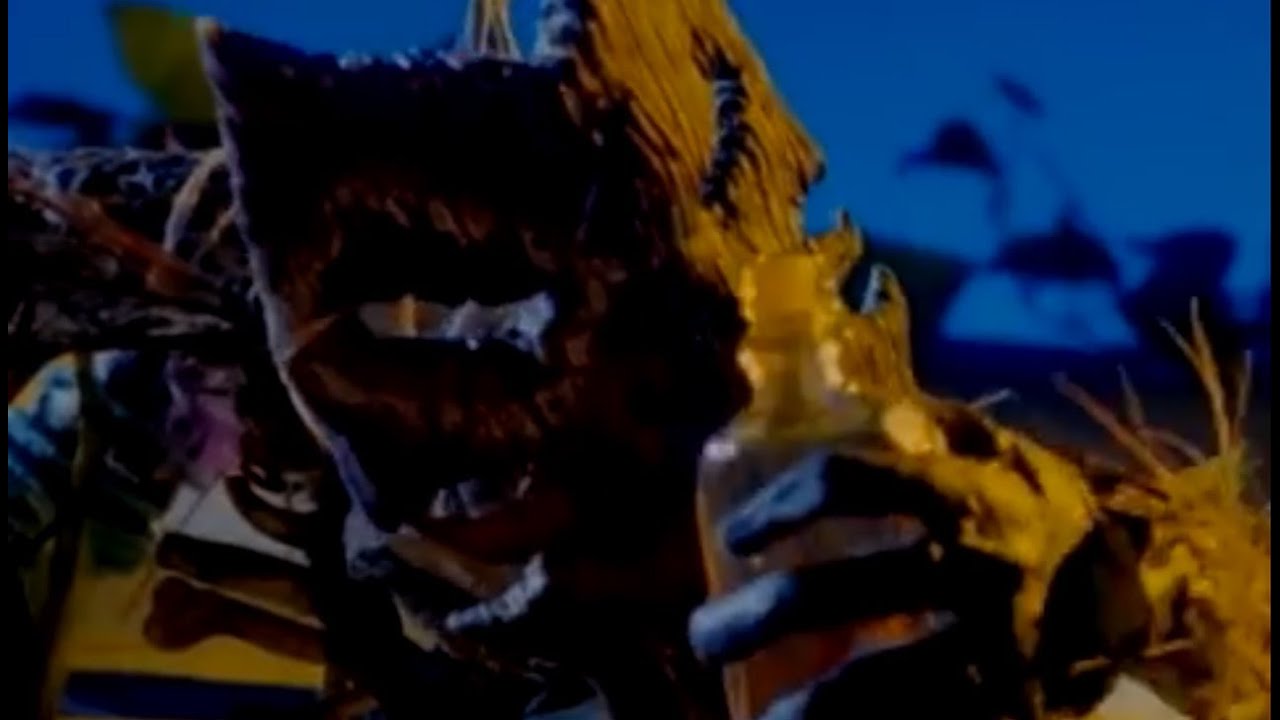
Released in October of 1996 and complete with an incredible stop motion video clip that showed two jungle dwelling creatures performing black magic and terrorising the people of a Brazilian village, Ratamahatta raided the UK singles chart, peaking at an impressive number 23. It stood out a mile from the Oasis clones, sugary boybands and corporate post-grunge that defined the era.
Sadly, the classic line up of Sepultura wouldn’t be able to build on the momentum that Roots and Ratamahatta had given them. Mere months later, on December 16 of that year, the band would part company with Max after a tumultuous and infamous show at London’s Brixton Academy, robbing the metal scene of its most promising and high-flying band.
Still, if you’re going to go out, do so on your own terms, and with a song as unusual, unique and singular as Ratamahatta, no one can deny Sepultura didn’t do exactly that.

