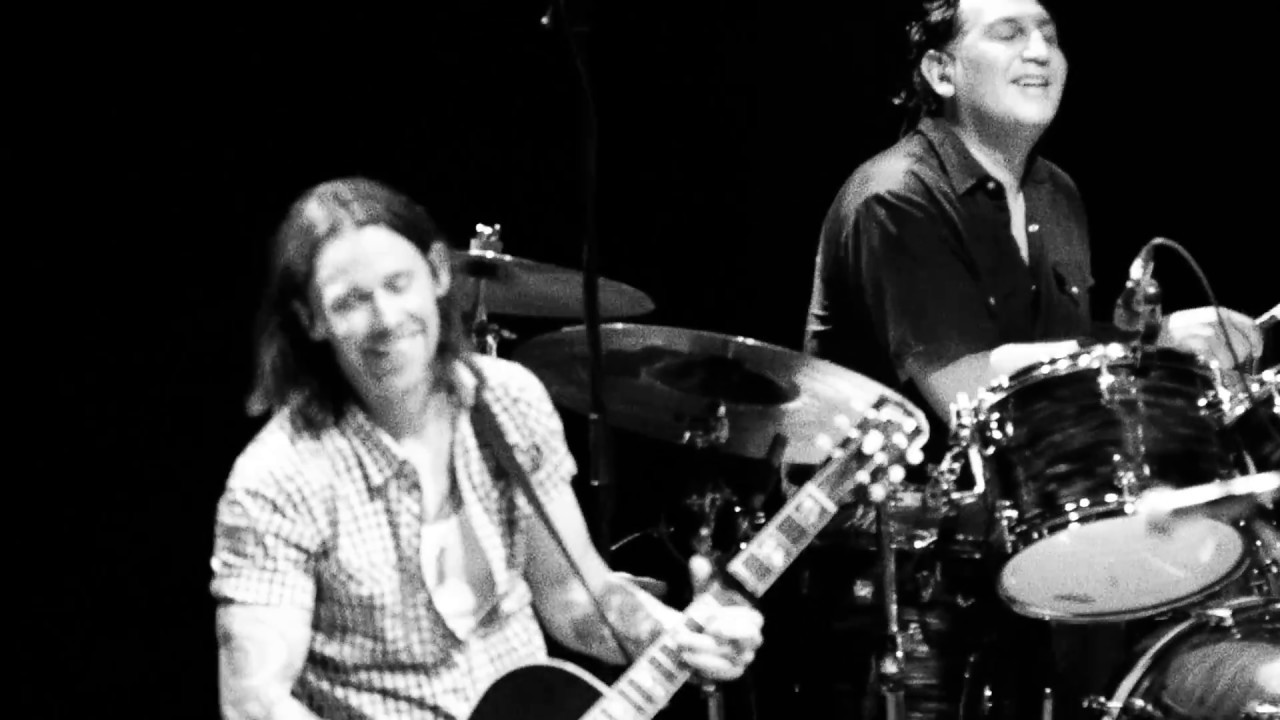


Myles Kennedy was just a young boy when his father passed away. On his debut solo album, Year of the Tiger, the Alter Bridge frontman powerfully channeled the unresolved pain and loss into its 12 tracks. In this 2018 interview, Kennedy opens up about how the bereavement affected him and wonders what might have been...
“I have very few memories of my father,” says Myles Kennedy on the phone from his home in Spokane, Washington. “I remember him pushing me on a swing, and another time where he’s sitting at the dinner table, but that’s about it. Everything that I’ve heard from my mother and people who knew him was that he was an incredible man and a very honest human being. I’m proud of that.”
Richard Bass died when Myles was just four years old. The singer’s mother and father were entrenched in the Christian Science faith, a religion developed by Mary Baker Eddy in the mid-19th century. In her 1875 book, Science And Health With Key To The Scriptures, she wrote that one of the faith’s key tenets is the power of healing through prayer.
It was through this steadfast refusal to seek medical help when Richard became ill that led to a needlessly premature death, leaving his grieving wife with the daunting prospect of raising Myles and his younger brother, David, alone.

“Doctors and taking medicine were not part of the plan,” explains Myles. “You dealt with things through prayer. It turned out he had appendicitis and he passed away in his sleep.”
And, like anyone who has lost a parent at such a young age, there’s been a dull ache in his chest that has never quite subsided. The dark clouds which cast a shadow over his childhood have stealthily pursued him well into his adult years.
On and off, Myles had been working on a collection of songs for about seven years. After returning to the project with fresh ears two years ago, he had a nagging doubt that there was something amiss. Following some consideration, he scrapped the lot.
“More than anything, I didn’t feel as connected to the material anymore,” he explains. “The songs were written so many years ago that I felt like the shelf life had expired. I felt like I had to be honest with myself. It meant a lot of work had gone down the drain, but it was the right thing to do.”
When my mother told me my father wasn’t coming back, I told her, ‘Yes he is, he has to come back and play the guitar for us.’
Myles Kennedy on losing his father as a young boy
After purchasing a guitar from a pawn shop in December 2016, he hit a creative streak and the nature of the songs dictated that he had to explore a painful subject that he’d previously avoided. The result is Year Of The Tiger, Myles’ first solo outing.
It’s something of a departure from the riff-driven releases by The Mayfield Four, Alter Bridge and Slash’s other band; it has its roots in Americana music and most notably, his emotionally raw lyrics pick at the old wounds formed in the months and years following his father’s death.
Tellingly, Richard – which is also Myles’ middle name – was a gifted musician who excelled at viola and violin, while the music of ragtime pianist Scott Joplin and Herb Alpert’s Tijuana Brass would fill the family home.
“I remember that he’d just started to learn guitar,” he says. “Me and David would watch him play. I still have the guitar; it’s right in front of me right now, in a case. It’s a cheap beginner’s model with nylon strings.
“From what my mom said, I was in denial for a long time,” he adds of the months following his father’s passing. “When my mother told me my father wasn’t coming back, I told her, ‘Yes he is, he has to come back and play the guitar for us.’ I wasn’t able to grasp what death was.”

He speaks movingly of his mother who, in the face of seemingly insurmountable grief, provided her sons with a stable family life given the tragic circumstances.
“She’s one of the strongest human beings that I know of,” he says. “A lot of the record tells that story of her fortitude. The fact she had my brother David and I and wanted to make sure that we were alright was probably a big incentive. The love for her children was a big motivator.”
The Bass family were given a solid foundation when she later married Glenn Kennedy, who Myles credits as an inspiration.
“She met him about three years later,” he explains. “She was set up on a blind date and flew halfway across the country to meet this guy. Within three days, they were engaged. And 40-something years later they’re still married. It’s a beautiful part of the story.
“I was so excited,” he adds of his mother’s new husband. “I remember trying to copy everything he would do. There were these work boots he’d wear because he had a few horses, and I wanted the same ones. He taught me tolerance and empathy. Seeing how he is with people and what a beautiful soul he is has been a massive inspiration to me. I couldn’t have asked for a better father figure.”
But the full ramifications of losing a parent at such a formative age didn’t truly begin to present themselves until later in life.
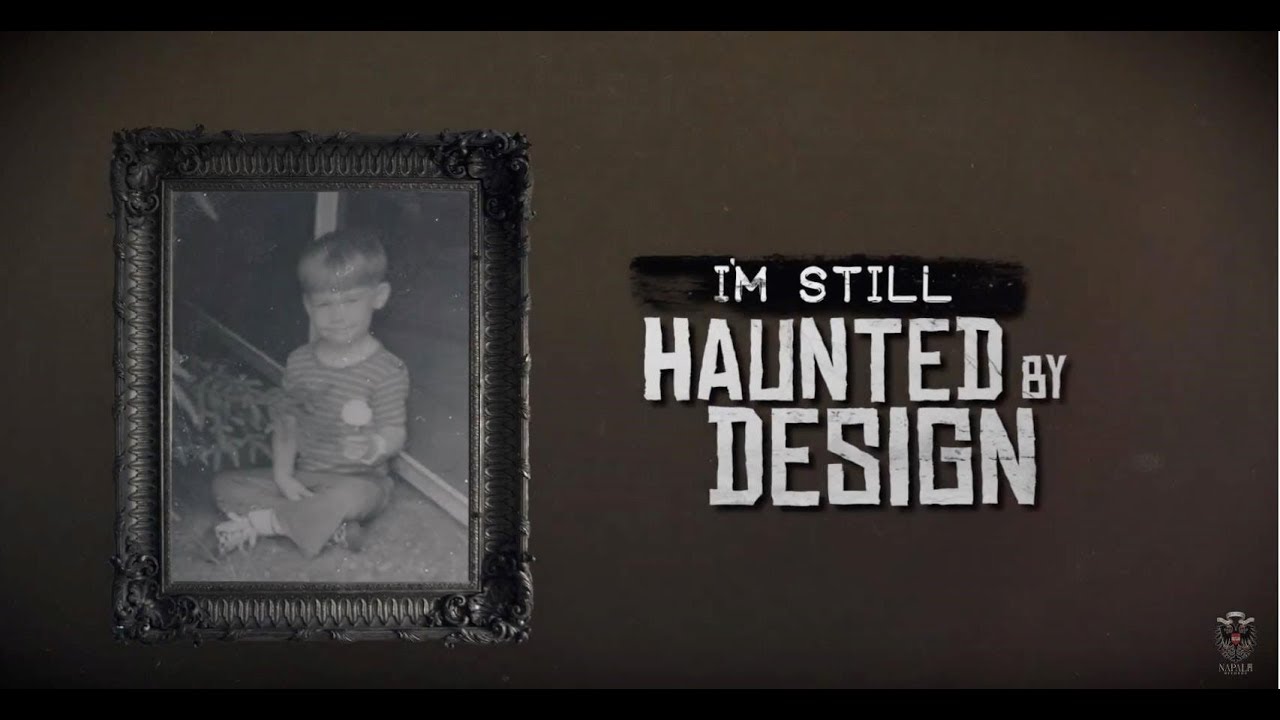
“It’s interesting, because what I’ve noticed is how much it started to affect me years down the road,” he explains. “It carried on into my 20s, which I still deal with to a point. Everyone has their struggles, but I think that losing a parent as a child definitely had an adverse effect. There was this melancholy, a sadness that never really went away. There was always a feeling that there was a big hole in my heart, a void that could never be completely filled. Trying to come to terms with a lot of that was something I dealt with for years. There were periods in my life where I simply tried to run from it and got angry and resentful, and that didn’t do me any good. It wasn’t healthy. What helped me was trying to understand it and work through it.”
Richard Bass passed away when he was just 34. As Myles himself approached this particular birthday – by then he was forging a career as Alter Bridge’s vocalist – he was wracked with conflicting emotions as he dwelled upon the idea of history repeating itself.
“As I was creeping up on that age, it was like I was looking at the hands on a clock,” he explains. “It was an interesting psychological game that was being played in my head. And some of the reasons I initially decided not to have children was that I was so afraid that I would end up passing away like my father, and they’d be left asking the same questions I did. I knew how difficult that was. It had such a profound effect.”
When asked if those feelings eased somewhat when he passed that milestone, he pauses for a moment.
People who’ve lost a parent at such a young age, there’s a shift that occurs… like a dark cloud that always hangs above your head. You can never run away from that.
Myles Kennedy
“I think to some degree it did, but to be honest with you, those anxiety issues are something that are always kinda just around the corner. I don’t know if it’s part of being human; obviously we all look at our own mortality and know our time is finite. But people who’ve lost a parent at such a young age and know how real it is, there’s a shift that occurs that makes it so much more… like a dark cloud that always hangs above your head. You can never run away from that.”
Piecing together his father’s story and the whirlwind of grief that consumed his family with the help of his mother, Year Of The Tiger has helped Myles come to terms with his loss some four decades later. And, despite the heavy rumination on death and grief that inform the 12 tracks, the album is also about love and gratitude.
“I don’t know if I was as aware of how much reopening and peeling away the scabs was going to make me aware that beneath the surface there’s quite a bit of hurt, but with that there was an inevitable catharsis,” he says. “I’m content with how the record turned out. Often, as a writer, you have something in your sights and the question is usually how far off the mark are you at the end of it. I got as close as I could hope to get, and through the process I feel like I learned quite a bit about myself. I’m grateful I went ahead and tackled this one.”

It begs the natural question of what exactly those lessons learned are.
“More than anything else, it made me realise how lucky I am to have a mother who was so strong,” he brightens. “She just didn’t give up. If anything, one of the things the record taught me was to be extremely grateful for what I do have and the person that was still around.”
What does your mother make of the album?
“Well, I’ve been waiting for a physical copy of it, so that I can sit down with her and play it,” he says. “I’m probably the most nervous I’ve ever been about playing a record for anybody, for obvious reasons. It’s going to be heavy.”
Then comes the question of playing these songs on the road. Up until now, he’s only performed Year Of The Tiger and Haunted By Design as part of a radio session, but playing these raw songs in front of an audience will present its own set of challenges.
“I’m getting ready to head out on the road in a few weeks, and I’m wondering how The Great Beyond will go, because that’s about the night dad actually passed away,” he replies. “I know, lyrically, that was the one that probably opened the emotional floodgates. I didn’t really expect it. There’s a breakdown section that’s essentially the bridge and as that was being written, it was the heaviest moment. I don’t know how I’ll fare with that live. It remains to be seen.”
I’ve always wanted to know if he would have approved. Would he like my music? Would he like me?
Myles Kennedy on his late father, Richard
There’s a line in the song which goes: ‘Faith in time will decay / This tragedy will live on.’ Myles, it seems, has understandably distanced himself from the religion which shaped his upbringing. Not that it was an immediate or easy process.
“That didn’t actually happen until much later,” he says. “As I went through my teens, religion was still part of the household, but it was different; Glenn is a Methodist minister. But as I got into my 20s, I remember going through a real intense period of searching and trying to learn and understand. It kinda left me with more questions and more frustration, frankly. By the time I reached my mid-30s I decided it wasn’t for me. I do a lot of reading and try to understand Eastern philosophy, which has been very helpful in putting things into perspective and dealing with things that come my way as an adult.”
Do you ever wonder what your father might have made of your career and achievements to date?
“Oh, boy,” he says quietly, gathering his thoughts and collecting himself. “What’s interesting about my father is that he didn’t chase down being a full-time musician. He had an offer of a scholarship when he went to college because of his musical skills, but he chose not to pursue it. He wanted to be able to provide for his family.
“When I heard that,” the singer finishes with a smile, “I thought that was so selfless and wonderful of him. I’ve always wanted to know if he would have approved. Would he like my music? Would he like me? Those unanswered questions are always hidden away somewhere. I hope he’d be proud.”